


 Shkruar nga Pamfleti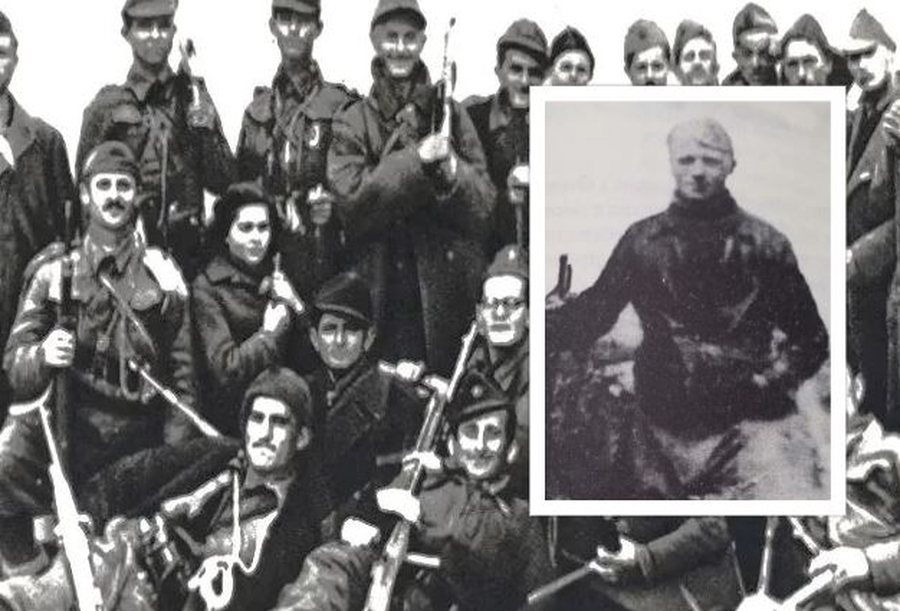
A book was written, "Why they killed Odysseus", by Anastas Kondo. Reading it, I found some parallels between the murder of Odysseus and Neki Ymer. Who killed Odysseus, they ask mother Katera (Katërina), the old woman from Vunoqota, poetess and great historian. "Themselves - was the answer - Spiromilaj, related to the Greco-Madhi. Who killed him? Who ordered, said, not who killed him"?! Even Neki Ymeri was killed by himself, connected to the Serbs, those who devised it. Where did they kill Odysseus? "In the stream of the Beast, in ambush, hidden, behind the wings, in the treacherous, in a scorching sun". Even Nekina was ambushed, in Pörroi e Ujkut ("Our Lady's Bridge"), on August 27, 1943, in a hot, synoptic and political situation.
How old was Odysseus? "What do you drink?" Twenty, you had them or you didn't have them, or a little further". Even Neki Ymeri, 24, was 25 years old. What did Odysseus do? "He had brought vivella (books) to his chest." Even Neki struggled to find freedom, which he had in his bosom, in his heart. As the parallel breaks down.
The author says: "I saw the picture of Odysseus in the village museum, with his friends in a row, all beautiful." As for me, I never saw Neki Ymer, in the museum of my village, nor his friends, one more beautiful than the other!
There were also anniversaries for Gjorm's "Old Squad", but we never saw Neki Ymer, the legendary commander and his friends, all of them beautiful! When it became an anniversary of the Great War, in 1983, I also went to my village and listened for a good couple of hours to the First Secretary of the Party, a lawyer, who spoke about the situation in the district and, often even the hills behind the coast, and he did not say a word about Neki Ymeri because he did not say it, but also about the people of Gjormi, he said little or nothing.
Previously, a historical scientific session was held in Tirana, at the Soldiers' House, referred by those who had remained unkilled from the National-Liberation War and, from the execution of 1975, where it was said: "...ground to be formed 'Ceta Plake' was all over the Vlora River, but it was formed in Gjorm, quite by chance.
And I, as an educated but immature young man, stood up and snapped at him: "Even for the formation of our Party, there was ground everywhere, but it was formed in Tirana, because there was the subjective element"! (people, staff).
But without going deeper, the parallel would mean that Enver Hoxha and his friends were operating in Tirana, and Neki Ymeri and his friends in Gjorm. A former general from Lumi i Vlora, who had escaped the execution in 1975, asked me: "Where are you from, boy?" "From Gjormi i Vlora", I said choked. And he: "You are right"!!! I also expected some rods or sticks, but surprisingly, they judged my youthful naivety, immaturity and that I was forgiven, or maybe because the general and I had all the villages.
It has been written about the murder of Neki Ymer "Vangjos", the commander of the "Old Squad" of Vlora", but his "black box" has not yet been found?! According to traditional skeptics, he was killed because; "He didn't take after Enver Hoxha"! Yes, the ideal Neki had freedom, the homeland, for that he fought, for that he could even be killed and his martyrdom, it would definitely be. According to neoskeptics; "he was killed because he met Hysni Lepenica".
Enver Hoxha also met Hysni Lepenica in Dushkarak and invited him to become a member of the Communist Party. Neki Ymeri, "Vangjo", was the commander of the "Old Squad" of Gjormi (Vlora) since its formation, in September 1942, until his assassination, on August 27, 1943.
It was named "Ceta Plakë" of Gjorm, from where it was formed in Gjorm of Vlora, with fighters from that village and the region around Mesaplik, Tragjas, Vlora, Mallakastra. The spectrum of its activity was the Vlorë-Fier-Mallakastër District. But even further, up to Peza e Baba Myslymi.
He was killed at ten o'clock, on August 27, 1943, in a hot synoptic and political situation, in the place called "Ura e Zonjës", between Gjormi and Lepenica, in an ambush and suddenly. He was killed together with Xhafer Dalan, also by Gjormi, a freedom fighter with the nickname "Shpuza"!
Both great warriors, one a commander and the other a warrior. And for this murder, Babë Myslymi, who had known Neki in Peza, when he had gone to coordinate the actions for the release of the Political Secretary of the Vlora District, Sinan Gjoni, from Fier prison, when he was about to be transferred to Tirana, had said: "... brave is not the one who kills you in an ambush, without calling you".
And this statement was not deciphered, even though it was said in those days when Neki was killed. Baba repeated it, even later, in his memories, as he had said it before.
In Gjorm, they say that when Nekiu was killed, his father, Ymeri, held his hands in fists until he died, as if to cope with the pain of losing his son, or even to say silently, like Migjeni: "Oh, I don't have a powerful fist, to fall right in the heart, the mountain that does not live"!
His murder was accompanied by pain and silence for 57 years, 1943-1990. In an indifferent, quick, fleeting look, all deaths are like that and cause pain. But looking more closely, there were some gradations within them.
There are natural deaths, white deaths, there are deaths that take life, even violently. Legal experts write that; after violent deaths, there are three links; The ideator, the orderer and the implementer. According to the canon, in the past, both in the north and in the south of Albania, when the custom of revenge was active, the matter remained with the one who said "must be killed", the mastermind.
But when they are murders in infidelity, in the dark of the night, without guilt, the deaths are often painful! The murder of Neki Ymer was the murder of the century, because a legendary leader, the commander of a provincial gang, was executed at a young age, 25 years old.
Mbushën 75 vite nga rënia e tij e dhimbshme, si për çdo vdekje, për një djalë të ri, për një luftëtar, për një atdhetar. Në një letër që ka lënë, autokritike, Nekiu shkruante: “Unë bëja luftën e, ndiqja vijën e Nacional Çlirimtares”. Kaq do të mjaftonte të quhej edhe një analizë.
Ai ishte djali i urtë në sjellje e, i artë në dije, i zjarrtë në fushën e betejave. Ishte njeriu i arsimuar për kohën, luftëtari i radhëve të para, një tip gjenerali ushtar, që komandonte e luftonte, që mbartte strategjinë e komandantit e, automatikun e luftëtarit.
Në një fotografi, që duhet më shumë të jetë një retushim, sesa një origjinal, që është montuar edhe në disa libra e botime gazetash më parë, Nekiu duket një burrë madhor në moshë, ndërsa në një fotografi që është gjetur më vonë, Nekiu për-shfaqet me tërë bukurinë e rininë e vet, me tërë sqimën e veshjes evropiane, me trup të drejt, ulur në mënyrë protokollare, veshur po në atë mënyrë, me kollare, me ballë të gjerë e me sy përthithës, qethur bukur, (vrojtojeni!), kokën e mban lart, flokë të zeza, mjekër pak të gjerë e simpatike, që sikurse thotë poeti Fatos Arapi, që e kishte njohur: “Neki Ymeri më ka lënë mbresa të mëdha, me pamjen e tij fizike, i pashëm, tip mitik i labit”.
Me fitoren e Betejës së Stalingradit, Hitleri ishte rrokullisur, madje kishte shkarkuar edhe gjeneralin e madh Romel, e Lindja e kishte garantuar fitoren dhe prijësit e luftës, kishin filluar të mendonin për të ardhmen, për pushtetin e tyre, e kishin nisur gjuetinë e shtrigave. Ishte pikërisht ky moment, që u vra edhe Neki Ymeri.
Stalini kishte thënë: “Marksi na ka mësuar, se Partia rron, vetëm nëpërmjet spastrimit”! Nekiu kishte mbaruar Shkollën e Mesme Teknike të Harri Fultz-it në Tiranë për gjeometër me numër amze 906, kishte marrë leksione në Korçë edhe për inxhinieri botore, gjeometër, kishte punuar në Sarandë, në Vlorë e ishte përfshirë në lëvizjen guerile.
Madje ishte shpallur në kërkim emri i tij, si njeri që po i sillte humbje pushtetit të kohës e, duhej arrestuar si i rrezikshëm. Në fillimet e vitit 1942, ishte anëtar i bërthamës ose celulës komuniste formuar në Gjorm, me Hysni Kapon, për Mesaplikun, ishte në formatimin e bërthamës së pushtetit në krahinë, ishte prijës e më vonë komandant i “Çetës Plakë”, ishte sekretar i zgjedhur në rininë e Qarkorit Vlorë-Mallakastër-Fier, për fshatin, e këtë e thotë edhe Qemal Stafa: “Në Vlorë zgjodhën sekretar të qarkorit të rinisë, Kastriot Muçon, Neki Ymerin, Zyra Radhimën, Ymer Veshin”.
Të gjitha këto funksione, i kishte mbi shpatullat e veta të njoma, dhe i përballoi falë mençurisë së tij, arsimimit, trimërisë e mbi të gjitha, falë mirësisë së tij, i kreu me sukses, ishte djali që e donin të gjithë, dhe të gjithë e merrnin pas, kishin besim dhe e shikonin të ardhmen e luftës në sytë e tij.
Kush u ndodh pranë “Vangjo”-s e nuk ia dëgjoi zërin në Lumin e Vlorës e, në Labëri, atë zë drithërues në kushtrim e magjepsës në ligjërim, që marshoi me të e, nuk ia pa hapin e kaprollit e fluturimin e shqiponjës, mbi armikun, që s’ia njohu bukurinë e fytyrës engjëllore të tij e, të zemrës së madhe, që nuk ia dëgjoi krismën gjëmëmadhe të automatikut mbi armikun, në Urën e Gjormit, në Gjorm mbi mercenarët e Halil Alisë, në Selenicë, në Qafën e Pëllumbit, në Ujin e Ftohtë, në Sirokëmba, në Kallafet, në Radhimë, në Tragjas, në Mal të Bardhë, Mallakastër, Mavrovë?
Gjithsej mbi 21 aksione. Babë Myslymi e kishte vlerësuar shumë trimërinë e atij djali (Nekiut), e kishte thënë: “E gjeta Kajo Karafilin e Vlonës”! “Por situata në Vlorë, – do të shkruante gjenerali Vehbi Hoxha që e akuzuan një jetë për fraksionist, – është kredhur në një katrahurë e, s’e merr vesh i pari të dytin”.
Në Vlorë papritur ishte shfaqur edhe Mehmet Shehu, me tërë ambicien e vetë për karrierë, e aty ishte edhe Hysni Kapo, që ishte shtylla e lëvizjes për liri, e aty ishte edhe Neki Ymeri, një ndër prijësit e padiskutueshëm, të shtetit të të ardhmes.
Po ç’kujtojnë për Neki Ymerin, komandantin e “Çetës Plakë” të Vlorës, më parë nënë zë e, më vonë duke e artikuluar, madje fort? Fatos Arapi jep portretin e tij: “Neki Ymeri na ka lënë përshtypje të madhe, për pamjen fizike të tij, leshraverdhë, fytyrë-bardhë, tip mitik i labit” (Ditari). Kristo Themelko: “U gëzova shumë për vrasjen në pritën e Gjormit…por, s’ishte ashtu.
Ata nga Vlora, që i kemi këtu, më thanë se s’është e vërtetë, qenka vrarë “Vangjua’” (“Shule”, A.Q.SH., Viti 1943, fondi 14). Kjo, “Vangjua” (!) seç e rrëqeth,… atë por edhe ne, madje edhe sot që e citojmë. Dhe kjo përcjell aq sa dhimbjen, edhe konsideratën e lartë për të. Mehmet Shehu, Berat: “Vrasja nuk pati përfundime të mira”! (Plenumi Beratit, 1944).
Që s’u vranë të gjithë apo, që u vranë ata që s’duhej. Rrahman Parllaku: “Unë ‘Xhepin’ s’e njihja. Por doja me shpirt Vebiun, ‘Vangjon’” (Libri ‘Mirënjohje’, Tiranë 2007’ fq.81). Vehbi Hoxha: “Ata që ishin ngarkuar t’i ruanin (në Kutë) shtinë mbi ta dhe…i vranë”! (Libri ‘Kujtime’, cituar). Shamet Gjika: “Vangjua dhe Xhemili (Çakërri), ngritën krye, Idrizi me shokë i qëlloi” (“Ditar i kohëve me gjëmime”, viti 2005 fq. 83). Idriz Seiti thotë në gjyqin e tij, më 1983: “Bëra detyrën e partisë”. Por ai më vonë, ka lëshuar edhe një dëshmi tjetër, se nuk kishte plan t’i vriste. Prof. Xhemil Çela: “Nekiu i kapi krahun Idrizit dhe shpëtoi i plagosur në dorë” (“Kujtime”, Tiranë 1998, fq. 134).
Natyrisht e vërtetë, kjo thuhet edhe në Gjorm, se Nekiu shpëtoi falë shkathtësisë së vet. Sadik Sinani: “Duke ardhur nga Krivova, gjeta në rrugë njërin që qante e thërriste: Ah, ‘Vangjo’, ‘Vangjo”! Madje ndonjëri shkruan se babai i Nekiut, ditën e varrimit, paska thënë: “Bëre si të kisha porositur. Dhe jetën dhe mikun nuk e tradhtove”!!!
I don't want to believe this and I don't believe it was said. Writing about the legendary man, about the glorious commander, about the son of Gjorm, of Lumi Vlora, of Labëria, about the patriot, who never lowered his gun for freedom, about Neki Ymer, is as much an obligation as it is difficult.
Difficult, because it was not known why he was killed, the "black box" of his murder is still unclear. Obligation because it was left in oblivion, for fifty years. But never and in no case was anyone spoken against him. He has not been a particle removed from the fight for freedom, from the National-Liberator, whose line he was.
If there was a front, for Neki Ymer, it was only the War Front against the occupier. He is a great figure of the War, and it is difficult to grasp all his greatness and content, short as time, but great, great as an entire era. Neki Ymeri was the youngest among the great and the greatest among the young./Memorie.al



Lini një Përgjigje