


 Shkruar nga Pamfleti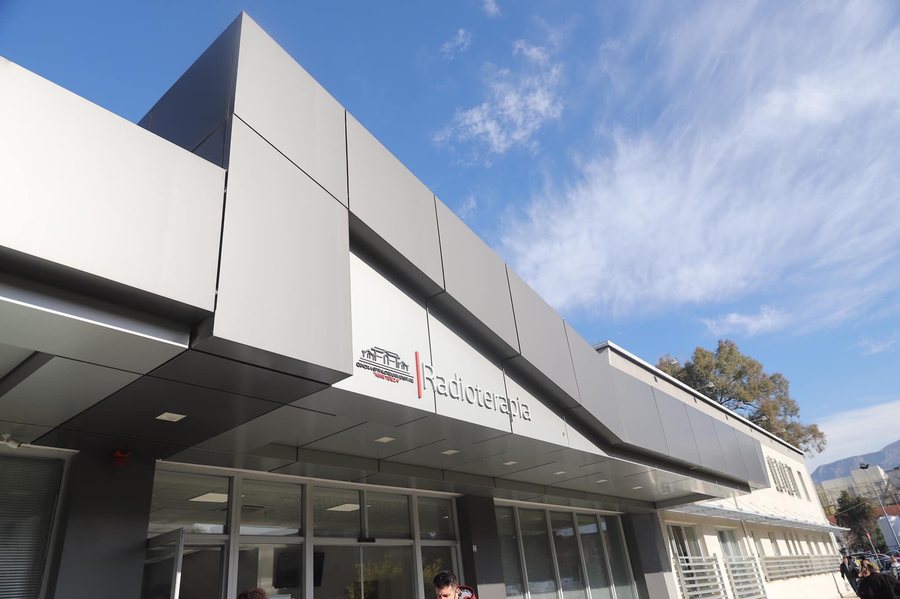
There are no protocols, no controls, no medicines: only delays, expired medicines and scandals in Albanian healthcare...
Other shocking details emerge from the report of the Supreme State Audit on the situation at the Oncology Hospital.
The audit was conducted at the Ministry of Health and Social Protection, the Mandatory Health Care Insurance Fund, the National Agency for Medicines and Medical Devices, as well as at the "Mother Teresa" University Hospital Center.
The results of this audit shed light on a series of serious violations, from the lack of essential medicines, the use of expired medicines, to systematic delays in supplies and a total lack of control over the process.
Of the 253 antitumor drugs authorized for marketing in the Republic of Albania, 116 of them – or 46% – were never imported during the period January 2021 – March 2025. This means that almost half of the drugs legally allowed for treatment have never been made available to patients. In addition, a number of drugs are expired, but still appear as available in the electronic management system. Specifically, 19 vials of Ifosfamide and 602 vials of Methotrexate in two dosage forms have been identified as expired, but undeclared, increasing the risk of unknowing use by healthcare personnel.
The audit also revealed that the process of preparing cytostatic drugs at QSUNT is carried out without standard instructions, with old and unserviceable equipment and by unqualified personnel. The equipment has not been maintained or calibrated since its introduction into use, while there is a lack of any kind of physical, chemical or laboratory control over the preparations. Nurses receive the drugs from pharmacists and mix them themselves, without any documented supervision and in conditions outside safety standards.
In most cases, there are evidences of drugs being discharged into the system for the wrong patients, duplicate prescriptions, lack of accurate records and repeated requests for the same patient that remain unfulfilled. In the Pentaho electronic system, entire periods have been found where drugs result in a progressive state, while in the physical inventory they are zero. This constitutes another evidence of the lack of a functional audit of the real state of available drugs.
Serious problems have also been identified in the functioning of contractual relations with pharmaceutical operators. In 49 cases, unjustified delays in supplies by importers were found, but only in two cases were penalties applied, although the total value of possible fines reaches 49 million lek. For 39 antitumor drugs, contracts between FSDKSH and importers are completely missing, which means that these drugs have never been provided for use in the public system, contrary to the laws in force.
The situation becomes even more alarming in the case of the drug Actinomycin D, which was obtained only through donations, without any sales contract, without a record of receipt and without registration in the inventory. This makes it impossible to verify the quality and expiration date of this medication, which is used in sensitive oncological treatments. In the absence of this drug, treatment for the relevant patients has been suspended or has been carried out with unsafe substitutes.
The National Agency for Medicines and Medical Devices has not conducted any inspections of closed network pharmacies (hospitals) during the years 2022-2024, while its own control laboratory has not conducted laboratory analyses for antitumor drugs, except for only 8 samples in 2023. Also, the drug marketing authorization procedure has been considered lengthy and inefficient, with serious regulatory gaps that create obstacles to rapid response in emergency cases.
Clinical protocols used for cancer treatment are outdated, having not been updated since 2014, limiting treatment options and exposing patients to potentially less effective medications. For drugs that do not have substitute alternatives, such as Daratumumab, long periods without coverage have been observed, despite contracts in place.
In conclusion, the Albanian Supreme Audit Office states that serious systemic deficiencies have been identified in all links of the supply chain, control and administration of drugs for the treatment of tumor diseases. The responsible institutions have not exhausted their legal powers and have not taken the necessary measures to guarantee the constitutional right to health care, placing the lives and dignity of patients at direct risk.
This report calls not only for administrative measures and technical improvements, but also for a criminal investigation and concrete accountability for the officials involved. Because in this case we are not dealing with ordinary negligence, but with an institutional blow dealt to the most vulnerable citizens of this country.
Excerpt from the audit
1. Gjetje nga auditimi: Nga shqyrtimi i 25 rasteve të miratimit të autorizimit të tregtimit për barnat antitumorale, u konstatua se procedura aktuale e parashikuar në nenin 12, të Ligjit nr. 105/2014 “Për barnat dhe shërbimin farmaceutik”, i ndryshuar, është e gjatë dhe joefektive. Konkretisht, nga momenti i propozimit të AKBPM-së deri në nxjerrjen e Urdhrit nga Ministri i Shëndetësisë dhe Mbrojtjes Sociale dhe dorëzimin e dokumentacionit tek subjekti aplikues, koha mesatare e pritjes ka rezultuar 24 ditë. Kjo vonesë pengon reagimin në situata kritike, sidomos për barnat antitumorale.
2. Gjetje nga auditimi: Nga auditimi u konstatua se të dhënat statistikore referuar diagnozave të sëmundjeve tumorale në Qendrën Spitalore Universitare “Nënë Tereza” (QSUNT) nuk reflektojnë realisht ecurinë për vitet 2024, duke rezultuar më të ulëta se të dhënat e viteve të mëparshme.
3. Gjetje nga auditimi: Nga verifikimet e kryera më datë 28.02.2025 në Farmacinë Qendrore dhe më datë 13.03.2025 në Blloqet Farmaceutike, u konstatua se për barnat e sëmundjeve tumorale, përkatësisht barin “Doxorubicin” 50 mg (ml), sistemi elektronik paraqet sasi në inventar edhe pas datës së skadencës së barit. Ky mospërputhje mes sistemit dhe gjendjes fizike ka sjellë përdorimin e barnave të skaduara për trajtim të pacientëve.
5. Gjetje nga auditimi: Nga auditimi i kryer në Sektorin e Kapave në QSUNT, u konstatua se ky sektor disponon vetëm pajisje manuale jo të automatizuara për përgatitjen e barnave citostatike. Pajisjet nuk janë mirëmbajtur ose kalibruar që nga momenti i futjes në inventar, ndërsa përgatitja bëhet nga personel pa trajnime specifike dhe pa mbikëqyrje. Nuk kryhet kontroll laboratorik mbi dozat, duke rrezikuar kontaminimin ose joefikasitetin terapeutik.
6. Gjetje nga auditimi: Nga testimet mbi barnat e kampionuara (Erlotinib, Carboplatin, Ifosfamide, Mesna, Trastuzumab etj.), u konstatuan mospërputhje mes sasive të shkarkuara nga Shërbimi përkatës dhe gjendjes fizike në depo. Në disa raste, medikamentet figuronin në sistem pa qenë fizikisht në dispozicion.
7. Gjetje nga auditimi: Barnat antitumorale të kampionuara rezultojnë në sistem si në “gjendje progresive”, ndërsa në inventar kanë rezultat zero. Aktinomycin D nuk paraqitet në sistem për periudhën 2022-2025, edhe pse është përdorur në trajtim, çka tregon për mungesë të regjistrimeve dhe dokumentimit.
8. Gjetje nga auditimi: Referuar testimeve për Ifosfamide 1g, me datat e skadencës 28.08.2024 deri 01.05.2025, rezulton se nga 19 njësi të verifikuara, vetëm 1 njësi ishte e përdorshme. 18 flakonët e tjerë ishin të skaduar, por vazhdonin të figuronin si të disponueshëm në sistem.
9. Gjetje nga auditimi: Nuk ekziston ndonjë seksion specifik në Rregulloren e Brendshme të QSUNT për planifikimin 24-mujor të barnave, nuk ndiqen udhëzime metodologjike dhe procesi nuk ka strukturë të formalizuar. Plani i barnave bazohet në praktika të vjetra dhe mungesë bashkëpunimi mes Njësive përkatëse.
10. Gjetje nga auditimi: Nga shqyrtimi i dokumentacionit të paraqitur dhe shkresave të dërguara nga Drejtoria e Shërbimit Farmaceutik të QSUNT gjatë periudhës 2022–2025, u konstatuan vonësa të përsëritura në lëvrimin e barnave nga operatorët ekonomikë, edhe pse afatet janë të përcaktuara qartë në kontratat përkatëse. Në disa raste, janë identifikuar rikërkesa për lëvrim për shkak të mosrespektimit të afatit 15-ditor për lëvrimin e sasisë fillestare 15%, dhe si rrjedhojë, janë regjistruar mungesa të barnave në magazinë, duke rrezikuar vazhdimësinë e trajtimit të pacientëve. Problem në veçanti është periudha pas përfundimit të Marrëveshjes Kontraktuale, ku nuk lidhet menjëherë një e re, duke krijuar periudha të pambuluara në furnizim.
11. Gjetje nga auditimi: Nga auditimi i masave të marra për sigurimin e barit Daratumumab 400mg (bar zëvendësues), rezultoi se më datë 13.03.2025 ky bar paraqitej në gjendje vetëm me 2 njësi në Farmacinë Qendrore dhe në Sektorin Kapa. Në planifikimin dypjesësh 2024–2026, QSUNT ka kërkuar parashikim të 4.000 flakonëve. Sipas Drejtorisë së Shërbimit Farmaceutik, sasia e parashikuar rezulton rrezik për konsumim para afatit të kontratës dhe lë periudha të pambuluara për furnizimin e barit. Ndërkohë, në kontratën e re për këtë bar, është përcaktuar sasia maksimale 2.000 flakonë në vit, çka bie ndesh me nevojat e QSUNT, të cilët kanë kërkuar dyfishin e sasisë. Problem identifikohet edhe në mungesën e kërkesës zyrtare të dërguar nga QSUNT në ministri, çka ka bërë që nevoja e tyre të mos përfshihet në planifikimin përkatës.
12. Gjetje nga auditimi: Nga auditimi i shpenzimeve buxhetore për blerje mallrash dhe shërbimesh për programin “Shërbimi i kujdesit spitalor dytësor”, rezultoi se fondet e planifikuara nuk janë të mjaftueshme për të garantuar blerjen e plotë të barnave. QSUNT ka dërguar kërkesa për shtesa buxhetore për të përballuar nevojat, por kërkesat nuk janë miratuar. Ka mungesë në menaxhimin e stokut, përcaktimin e saktë të nevojave, dhe procedura joefikase për ruajtjen e barnave. Buxhetimi afatshkurtër pa lidhje me kërkesat reale ka rritur rrezikun për mungesa dhe barnat skadojnë pa u përdorur.
13. Gjetje nga auditimi: U konstatuan mangësi në dokumentacionin e marrjes në dorëzim të barnave. Në formularët për kolaudimin e barnave, nuk ishte shënuar vendi i origjinës së produktit, çka bie ndesh me udhëzimet e APP-së dhe standardet e transparencës. Mosreflektimi i origjinës rrezikon gjurmueshmërinë e barnave dhe ka ndikim kritik në trajtim.
14. Audit findings: From the audit of supply contracts between QSUNT and economic operators, it was found that there was a lack of reporting on contract violations by the responsible structures of QSUNT. In some cases of supply delays, no penalties were imposed on economic operators. Also, there is no evidence that the responsible structures have followed up or reported on the implementation of contracts. Another problem was identified in the contract for the drug Daratumumab 400mg, where 4,000 vials were ordered but only 450 vials had been received by the audit stage. The supply is delayed and does not meet the demand for patient treatment, while the funds have been used. /Pamphlet




TURP TURP TURP.