


 Shkruar nga Ramzy Baroud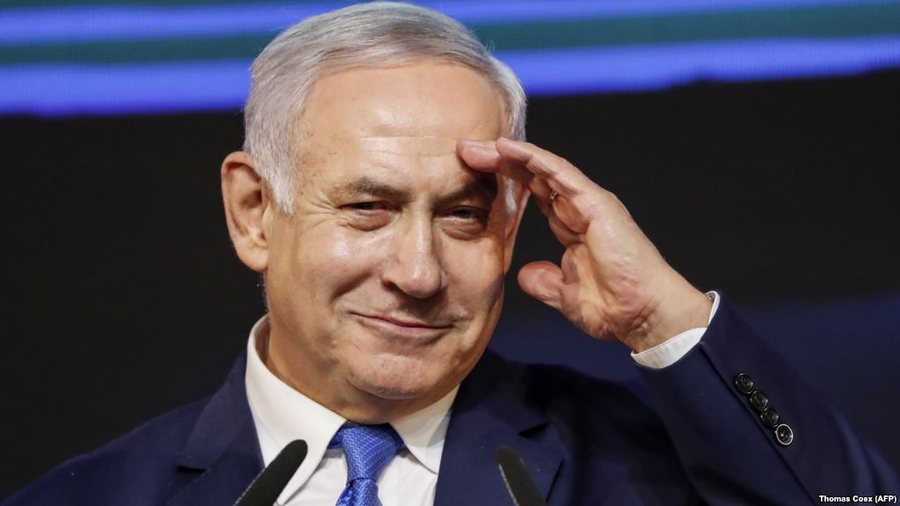
Trump appears to be abandoning Netanyahu. So the intensified Israeli military operations in Gaza are an attempt by him to project strength amid perceived political weakness. It remains uncertain how long he will remain in power, but his political position has deteriorated significantly...
There was a period in which Benjamin Netanyahu seemed to have all the right cards in his hand. The Palestinian Authority was largely passive, the West Bank was relatively calm, Israel's diplomatic influence in the region was expanding, and the US seemed willing to violate international law to fulfill Tel Aviv's desire for complete control over Palestine.
Likewise, the Israeli prime minister, at least in his own estimation, had managed to subdue Gaza, the constantly defiant enclave, which for years had struggled unsuccessfully to break the stifling Israeli blockade.
Within Israel, Netanyahu was hailed as the longest-serving prime minister, a figure who promised not only greater longevity for citizens but also unprecedented development. To celebrate this historic moment, Netanyahu used a visual object: a map of the Middle East or, in his words, the “New Middle East.”
According to Netanyahu, it was a unified green bloc, representing a future of “great blessings” under Israeli leadership. The map was conspicuously missing historical Palestine, which is now called Israel, as well as the Occupied Territories.
Netanyahu unveiled this map at the UN General Assembly on September 22, 2023. But his speech was attended by few in attendance, and among those present, enthusiasm was noticeably lacking. However, this did not matter much to Netanyahu, his coalition of extremists, or the general Israeli public.
Because Israel has historically relied on a few select nations, which it considers to be of primary importance: Washington and a handful of European capitals.
Then came the attack of October 7. At first, Israel exploited the Palestinian attack to gain Western and international support, validating its existing policies and justifying its response.
However, this sympathy quickly disappeared, as it became clear that Israel's response involved a campaign of genocide, the extermination of the Palestinian people in Gaza, and the ethnic cleansing of the population of Gaza and communities in the West Bank.
As images and footage of the devastating massacre in Gaza emerged, anti-Israeli sentiment grew. Even Israel's allies found it difficult to justify the deliberate killing of tens of thousands of innocent civilians, mostly women and children.
Vende si Mbretëria e Bashkuar, vendosën embargo të pjesshme armësh ndaj Izraelit, ndërsa Franca u përpoq të mbante një rol të balancuar, duke bërë thirrje për një armëpushim ndërsa shtypte aktivistët vendas që e mbështesnin të njëjtën gjë.
Narrativa perëndimore pro-Izraelit, është bërë gjithnjë e më e paqëndrueshme dhe mbetet shumë problematike. SHBA-ja nën drejtimin e presidentit Joe Biden, ruajti në fillim një mbështetje të palëkundur. Megjithatë, kur Izraeli dështoi të arrinte objektivat e tij të perceptuara, qëndrimi publik i Biden nisi që të ndryshonte.
Ai bëri thirrje për një armëpushim, edhe pse pa treguar ndonjë gatishmëri konkrete për të ushtruar presion mbi Izraelin. Mbështetja e palëkundur e Biden për Izraelin, është cituar nga shumë njerëz si një faktor që solli humbjen e Partisë Demokratike në zgjedhjet e vitit 2024.
Pastaj, në Shtëpinë e Bardhë hyri sërish Donald Trump. Netanyahu dhe mbështetësit e tij, si në Izrael ashtu edhe në Uashington, parashikuan se veprimet e Izraelit në Palestinë dhe në rajonin e gjerë - Liban, Siri etj - do të përputheshin me një plan strategjik më të gjerë.
Ata besonin se administrata e dytë e Trump, do të ishte e gatshme të përshkallëzonte më tej situatën. Sipas tyre, ky përshkallëzim do të përfshinte veprime ushtarake kundër Iranit, zhvendosjen e palestinezëve nga Gaza, copëtimin e Sirisë, dobësimin e Huthëve në Jemen etj, pa lëshime të rëndësishme.
Fillimisht, Trump sinjalizoi gatishmërinë për ta ndjekur këtë axhendë: dërgimin në Izrael të bombave më të mëdha, kërcënimet e drejtpërdrejta ndaj Iranit, përshkallëzimin e operacioneve kundër Huthëve dhe shprehjen e interesit për kontrollin e Gazës dhe zhvendosjen e popullsisë së saj.
Megjithatë, pritshmëritë e Netanyahut u pasuan vetëm nga premtime të pa mbajtura. Kjo ngriti pyetjen: a e kishte mashtruar qëllimisht Trump Netanyahun, apo rrethanat në zhvillim e bënë të domosdoshme një rivlerësim të planeve të tij fillestare? Shpjegimi i dytë duket më i besueshëm.
Përpjekjet për të frikësuar Iranin rezultuan joefektive, duke çuar në një sërë angazhimesh diplomatike midis Teheranit dhe Uashingtonit, fillimisht në Oman, pastaj në Romë. Huthët treguan qëndrueshmëri, duke bërë që SHBA-ja të kufizonte këtë muaj sulmet ushtarake në Jemen, konkretisht operacionin “Rough Rider”.
Të premten, një zyrtar amerikan njoftoi se luftanija amerikane USS Harry S.Truman do të tërhiqet nga rajoni. Vlen të përmendet se javën e kaluar, Hamasi dhe Uashingtoni njoftuan një marrëveshje, të pavarur nga Izraeli, për lirimin e të burgosurit amerikano-izraelit, Edan Alexander.
Kulmi ishte kur Trump mbajti një fjalim javën e kaluar në një forum investimesh SHBA-Arabi Saudite në Riad, në të cilin mbështeti paqen dhe prosperitetin rajonal, shpalli heqjen e sanksioneve ndaj Sirisë, dhe theksoi nevojën e një zgjidhje diplomatike të konfliktit me Iranin.
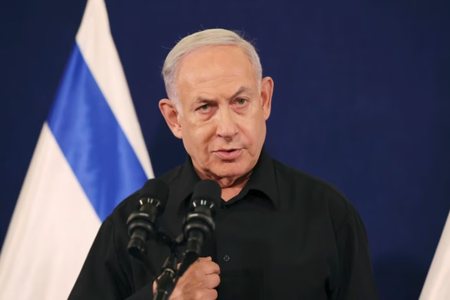
Netanyahu and his strategic “vision” were missing from these major regional changes. The latter responded to these developments by increasing military operations against Palestinian hospitals in Gaza, and even striking patients inside them.
This action, which targeted the most vulnerable, such as women and children, was interpreted as a message to Washington and the Arab states that its objectives remained unchanged, regardless of the consequences. The intensified Israeli military operations in Gaza are an attempt by Netanyahu to project strength amidst his political weakness.
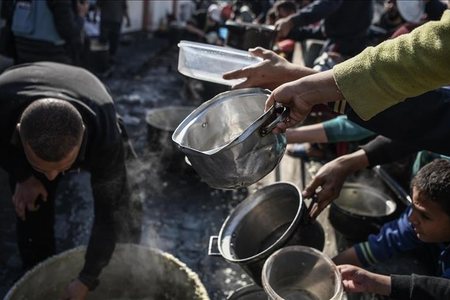
This escalation has led to a significant increase in Palestinian casualties and has worsened food shortages, nearly to the point of mass starvation for more than 2 million people. It remains uncertain how long Netanyahu will remain in power, but his political position has deteriorated significantly.
He faces widespread opposition at home and abroad. Even his main ally, the United States, has signaled a shift in its approach. This period could mark the beginning of the end for Netanyahu's political career and potentially the policies associated with his extremely violent rule. / Adapted from "Pamphlet" by "Eurasia Review"




Lini një Përgjigje