


 Shkruar nga Pamfleti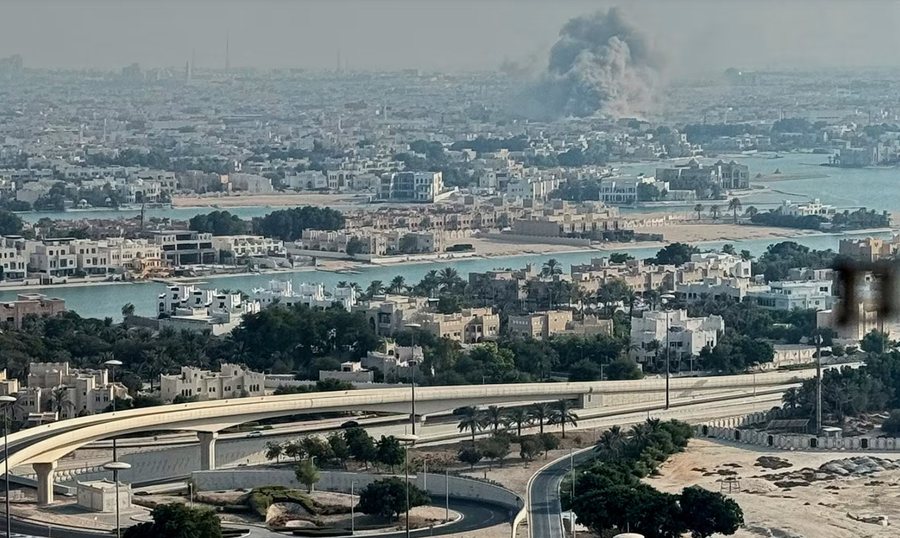
How a ceasefire opportunity was destroyed and alliances in the Middle East were shaken...
A sense of urgency pervaded the meeting in Doha on the evening of September 9. Qatar’s Prime Minister, Sheikh Mohammed bin Abdulrahman Al-Thani, stood across from Hamas’s chief negotiator, Khalil Al-Hayya. The two had negotiated many times before, often without result, but this time was different.
The United States had presented a new ceasefire proposal, an agreement that could end nearly two years of war in Gaza. President Donald Trump had called it a “final warning” to Hamas, prematurely claiming that Israel had accepted it, even though Tel Aviv was only seriously considering it. Qatar had taken it upon itself to convince Hamas while keeping Israel at the negotiating table.
The conversation between the Qatari prime minister and Al-Hayya ended before 9:30 p.m., but the real work had just begun. Immediately after the meeting, Qatari negotiators contacted the Israeli side to provide information on the progress of the discussions. Hamas promised a final response within 12 hours.
But Israel had other plans. Before the deadline expired, on September 10, Israeli warplanes struck a residential building in downtown Doha where Israeli intelligence suspected Hamas leaders were hiding. According to Hamas, instead of eliminating Al-Hayya and the negotiating team, the attack killed five lower-ranking members of the group and a Qatari security guard.
An attack planned for months
Israel had long warned that it would strike Hamas leaders wherever they were. Following the assassinations of Ismail Haniyeh in Iran and Saleh al-Arouri in Lebanon, Tel Aviv upped the ante by planning an unprecedented attack on Qatar, a country that is not only a US ally but also a key broker for the ceasefire.
IDF Chief of Staff General Eyal Zamir and Mossad head David Barnea had expressed reservations about the timing of the operation, as it would come so soon after the American peace proposal. But Prime Minister Netanyahu, influenced by his far-right partners, decided to move forward.
A dangerous game with the US and Qatar
The attack was an open challenge to Qatar, a state that hosts the largest US military base in the region, Al-Udeid Air Base, and has been declared a "major non-NATO ally" of Washington since 2022.
Israel only notified the US of the operation at the last moment, to avoid the possibility of Qatar alerting Hamas. Israeli fighter jets, including F-35s, passed through airspace covered by US radar and Patriot systems, camouflaging themselves as “friendly”.
The result: at 3:46 p.m., over ten missiles hit the targeted building in Doha.
Immediate international response
The Qatari government reacted harshly, calling the attack “state terrorism” and an act that risks destroying any chance for peace. Prime Minister Al-Thani accused Netanyahu of “systematically undermining any possibility of stability and any hope for the release of Israeli hostages.”
President Trump, who had tried to sell the deal as a major diplomatic success, expressed anger at Israel but stopped short of publicly condemning it. The White House said: “The unilateral bombing of Qatar, a sovereign state and close ally of the United States, does not advance Israel’s or America’s goals.”
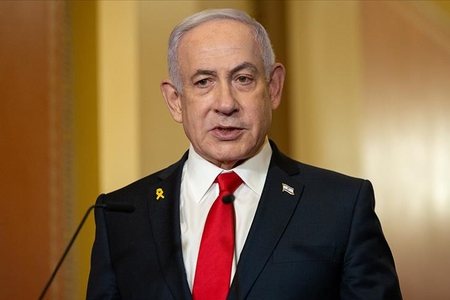
Netanyahu, for his part, immediately took responsibility for the operation, emphasizing that it was "completely independent and Israeli," in an attempt to distance Washington.
Consequences
-This first-ever Israeli attack on a Gulf state marks a turning point in the conflict. He:
-Weakened US credibility in the Middle East, as it showed that its main ally in the region acts without coordinating with Washington.
-Compromised the intermediary role of Qatar, which now feels betrayed and exposed to internal criticism.
-It failed militarily, as the main objective was not eliminated, making the diplomatic price much greater than the tactical gain.
The conflict in Gaza is now about to enter its second year, and after this attack, any path to negotiations seems even more hazy. Instead of bringing the end of the war closer, Netanyahu appears to have further delayed the possibility of a deal. /Adapted from “CNN”





Lini një Përgjigje