


 Shkruar nga Pamfleti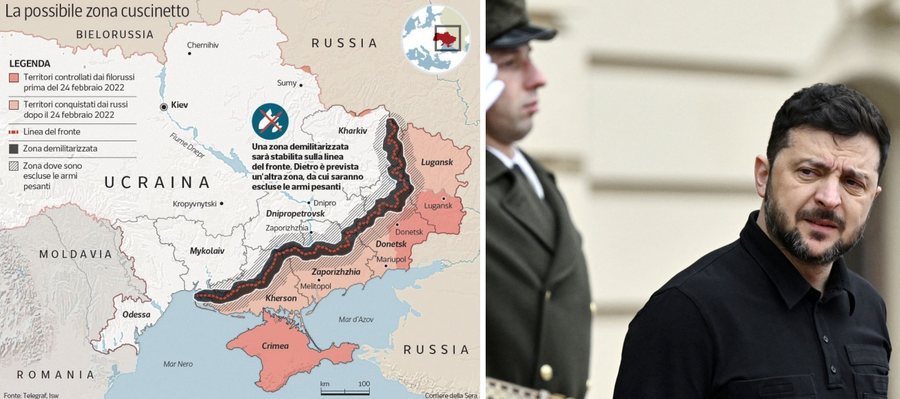
Negotiations are tightening around three points: territories, security guarantees, and Ukraine's accession to the European Union in 2027. Moreover, the post-war economic scenario is taking shape, with a massive Russian-American investment program. At this time, proposals and documents overlap.
As Trump and Zelensky bicker from a distance over the fate of Donbas, the Moscow autocrat is showing confidence.
"The strategic initiative is entirely in the hands of the Russian armed forces," says Vladimir Putin, during a video conference with his military commanders.
He adds that the occupation of the Donetsk, Lugansk, Zaporizhia and Kherson regions "is continuing progressively and steadily."
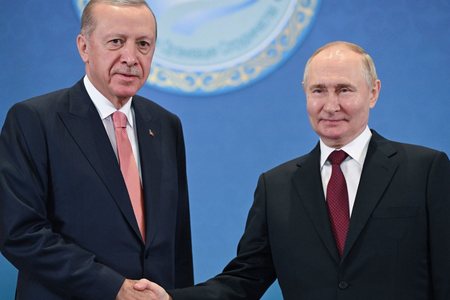
A show of bragging, but also a message to Ukrainians that goes more or less like this: we will take by force what you refuse to give us through negotiations. Whether this is the real situation on the ground remains to be seen. However, Putin, who will meet today with Turkish President Tayyip Erdogan and Iranian President Masoud Pezeshkian at the forum in Ashgabat (Turkmenistan), is in an objective position of strength, especially since he benefits from the White House's pressure on Zelensky to withdraw Ukrainian armed forces, unconditionally, from the entire Donbas, writes La Repubblica.
The war for territories
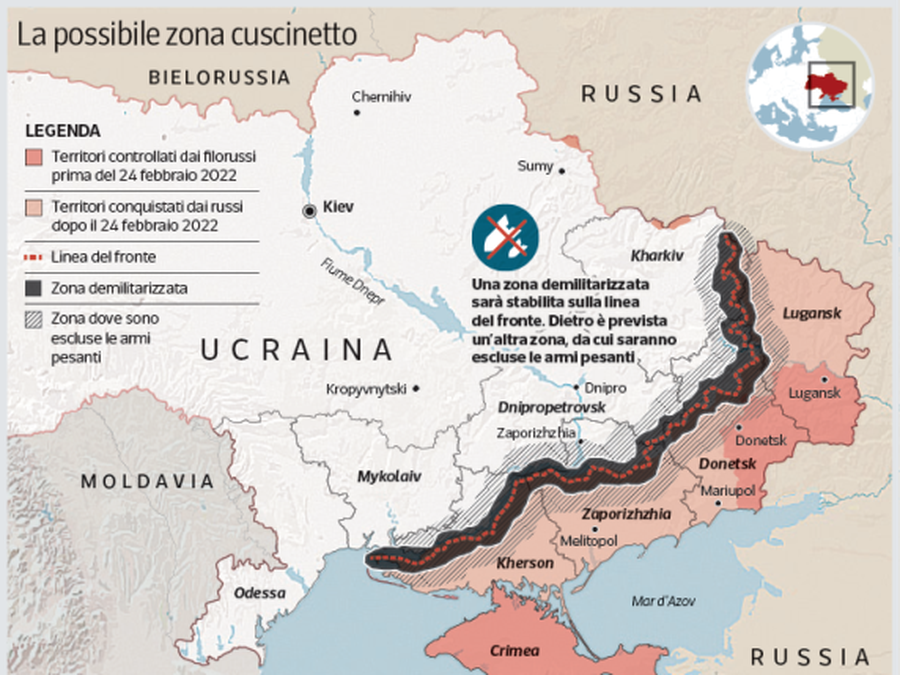
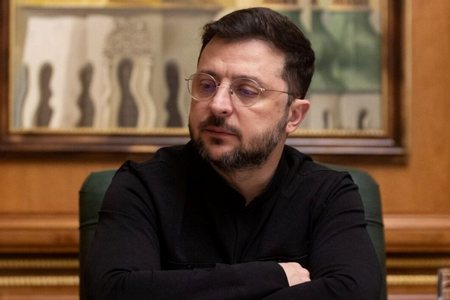
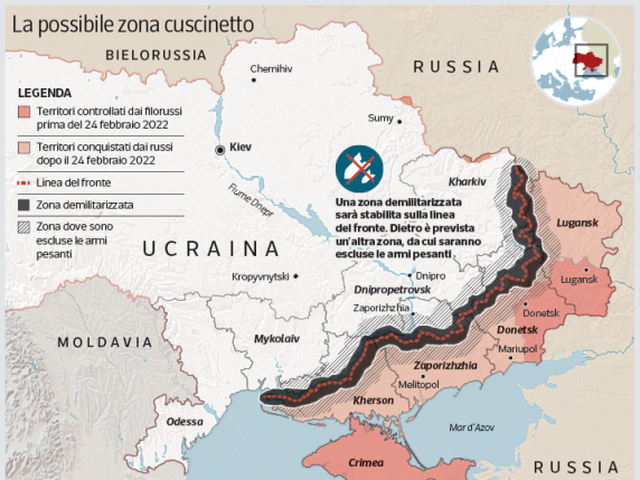
“Any possible compromise on our territorial concessions must be decided by popular vote, expressed through elections or a referendum,” Zelensky responded from Kiev, explaining that the United States aims to create a “free economic zone” in the Donbas region that has not yet been occupied by the Russians, while the Kremlin calls that piece of land, which includes the cities of Kramatorsk and Sloviansk, a “demilitarized zone.”
The idea of a popular consultation was immediately the subject of an offensive post on X by Dmitry Medvedev, deputy chairman of the Russian Security Council. "The clown in Kiev only wants to slow down the negotiations, thereby showing the middle finger to the White House. How much longer will you tolerate all this, America?"
The Ukrainian leader revealed that the latest version of the 20-point US peace plan reinstated a limit on the size of the Ukrainian army (800,000 soldiers) and that, according to Washington, a ceasefire can only be declared after the agreement and not before, as Kiev would like.
Rusia ka paraqitur gjithashtu propozime të reja për planin, të cilat theksojnë nevojën për të arritur "garanci kolektive sigurie" që shkojnë përtej konfliktit vetëm ukrainas. Sipas Ministrit të Jashtëm rus Sergei Lavrov, "keqkuptimet midis Moskës dhe Uashingtonit janë eliminuar dhe marrëveshjet e arritura në Alaska janë konfirmuar".
Kreu i diplomacisë ruse përdori një ton shumë të ndryshëm ndaj vendeve evropiane, të cilat, sipas tij, "po përpiqen në çdo mënyrë të ulen në tryezën e negociatave me ide që nuk do të jenë të dobishme për negociatat".
Lavrov më pas lëshoi një paralajmërim të ashpër kundër Koalicionit të të Gatshmëve, i gatshëm të ndërhyjë si garantues. "Ata fantazojnë për dërgimin e trupave të tyre në Ukrainë si të ashtuquajtur paqeruajtës. Për ne, ata do të bëhen menjëherë objektiva legjitime dhe të gjithë duhet ta kuptojnë këtë".
Sa i përket Zelenskyt, sipas Ministrit të Jashtëm rus, ai është i interesuar vetëm në zgjatjen e konfliktit për "një çështje mbijetese politike, dhe ndoshta edhe fizike". Kremlini përsërit se "zgjedhjet duhet të mbahen" në Ukrainë: ky nuk është një interes i vërtetë demokratik, por thjesht bindja e Putinit se Zelensky është një president i paligjshëm sepse mandati i tij skadoi në maj 2024. Ligji ushtarak deri më tani ka penguar zgjedhje të mëtejshme.
Nga Alaska në Donbas
Ku jemi tani? Është e dobishme të shqyrtojmë progresin e negociatave gjatë katër muajve të fundit, duke filluar nga samiti Trump-Putin më 15 gusht në Anchorage të Alaskës. Ministri i Jashtëm rus Sergei Lavrov vazhdon ta përmendë atë. Pas atij samiti, filluan negociata intensive , të udhëhequra nga të dërguarit amerikanë Steve Witkoff dhe Jared Kushner me financierin rus Kirill Dmitriev. Rezultati: plani me 28 pika , i publikuar më 20 nëntor.
Dokumenti thotë se Krimea dhe rrethet e Luganskut dhe Donetskut "do të njihen de facto si territore ruse nga Shtetet e Bashkuara ". Kjo do të thotë se amerikanët kishin pranuar kërkesën e Putinit për të marrë edhe një pjesë të Donbasit që ende kontrollohet nga ushtria ukrainase. Megjithatë, Trump e hodhi poshtë kundërpropozimin e evropianëve , të përcaktuar në "planin 24-pikësh" të publikuar më 23 nëntor. Udhëheqësit e Kontinentit të Vjetër sugjeruan që çështja territoriale të adresohej vetëm pas një armëpushimi.
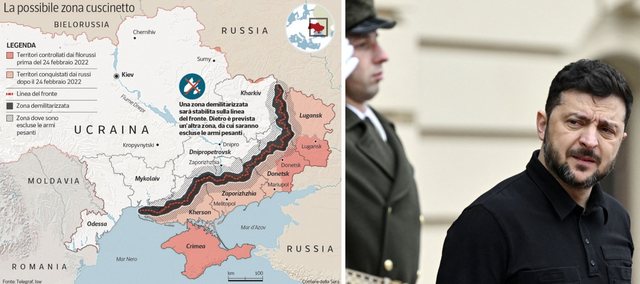
Ideja themelore ishte ajo që tani e ripropozoi Zelensky: ngrirja e vijës së frontit sipas modelit korean. Rusët do të mbajnë rrethet e pushtuara me forcë , duke përfshirë një pjesë të madhe të Khersonit dhe Zaporizhzhisë, ku ndodhet termocentrali bërthamor. Tani po del një zgjidhje tjetër kompromisi : amerikanët po këmbëngulin që Zelensky të tërhiqet nga i gjithë rrethi i Donetskut, duke ofruar në këmbim krijimin e një zone të demilitarizuar për të parandaluar përparimet e mëtejshme ruse. Ukrainasit, shkruan Le Monde , janë gati ta pranojnë. Do të shohim se cili do të jetë reagimi i Moskës .
Midis NATO-s dhe BE-së
The other key issue is security guarantees. The Witkoff and Dmitriev text already envisaged the creation of a mechanism similar to NATO's Article 5 (all allies must come to the aid of an attacked partner). The Europeans have tried to further define the commitments, foreseeing, in the 24-point text, the possibility that Ukraine could ask its allies to deploy troops on its territory. Zelensky is pushing for a military role for the Europeans as well; Putin, on the other hand, simply wants to rule out this possibility ("useless Europeans").
In parallel, Zelensky is now proposing accelerated EU membership: no later than 2027. The prospect of a “quick exit” has already been mentioned in the Russian-American plan, while the European version contains a more general statement: “Ukraine will become a member of the EU”. The 2027 deadline has not been agreed with Brussels or other European capitals. Until now, discussions had focused on 2030. It seems that the Kiev government is ready to give up some economic benefits, such as part of agricultural subsidies.
Cash flow
Finally, financial resources. Here Zelensky is showing maximum flexibility. He is seeking to use Russia's currency reserves, worth 185 billion euros, held by the Euroclear company in Belgium. But he is also looking for private investment. The other day he spoke about this with Larry Fink, CEO of BlackRock, one of the largest investment funds in the world.
The White House, repeating another point of the 28-point plan, is open to a range of investments with Russia as well. According to the Wall Street Journal, part of Russia's currency reserves could be used to rebuild Ukraine. At the same time, American companies will invest in strategic sectors on Russian soil, from rare earth minerals to oil extraction in the Arctic. And they will work to restore energy flows between Russia and Europe. This seems surreal, considering that the EU has just decided to end its energy dependence on Moscow forever./ Pamphlet


Lini një Përgjigje