


 Shkruar nga Pamfleti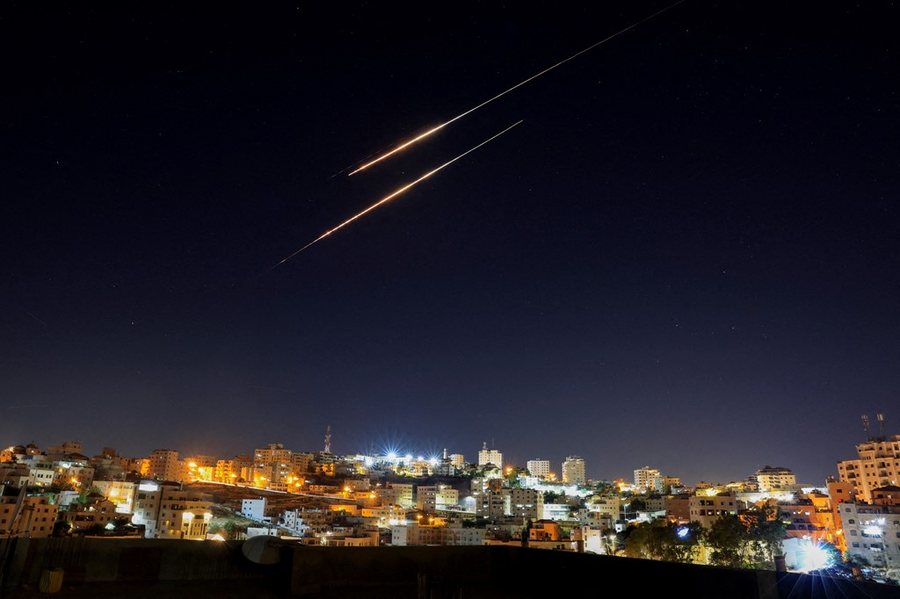
Despite the ongoing fighting with Israel, the shelves in many supermarkets in Tehran continue to be filled with supplies.
"There is no one to buy things," Mahsa, a resident of a western neighborhood of the Iranian capital, explains to REL.
She said that 60-70 percent of the residents of her usually lively neighborhood have fled as a result of Israeli bombings of Iran.
The supermarket in her neighborhood, which usually stays open until midnight, now closes around 9 p.m. due to a lack of customers. On streets where she once had to drive several times to find a parking space, Mahsa says that today “there are only two or three cars on my street; it’s a bit scary and very sad.”
The few remaining residents are mostly staying home, and most businesses are now closed.
"On the street, the very air you breathe is sad," says Mahsa.
Many Tehran residents have headed north, to the Caspian Sea coast, which is a traditional vacation spot for people from the Iranian capital.
Mahsa, who asked REL not to mention her last name for security reasons, has chosen to stay and face whatever happens.
She says that when the Israeli attacks began on June 13, she was very shocked.
"I only managed to fill one bag with the most essential things for me," she added.
But, although friends and relatives urged her to leave the capital, she says: "I said, 'Oh God, I don't want to leave my home.'"
In her area of Tehran, known as a favorite hangout for young people, she believes there are no military targets.
"I am very convinced in my heart that the Israelis will not just destroy people's homes for no reason," she says.
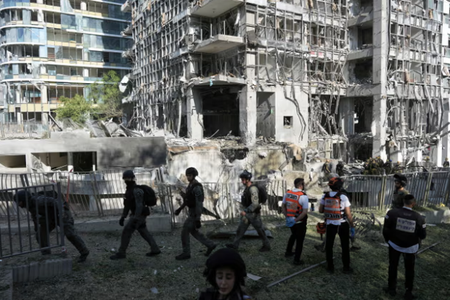
More than 500 people are said to have been killed in Iran by Israeli attacks since June 13. Photos captured by photojournalists in Tehran show people seriously injured, including children, after the attacks in the capital.
"Israel and America are our enemies. But it's like I trust them more than my government. This is a very bad situation," says Mahsa.
She adds that, in her close circle, most hope that the conflict will lead to the overthrow of the Iranian regime, mainly due to the dire economic situation.
Since the COVID-19 pandemic, costs have increased so much that "you have nothing, you can't plan anything, not even a small day trip."
According to her, even the simplest foods are increasingly inaccessible to ordinary residents of Tehran.
"For example, if you've always had something like olives in your kitchen, now you can't have them. Then, you have them once a month, then once a year, and then you have to cut them out of your life altogether," she says.
"These days, people here in Iran, most of them, meaning ordinary people, like me, middle class, have money only to eat and travel from one place to another within the city," she adds./ REL




Lini një Përgjigje