


 Shkruar nga Pamfleti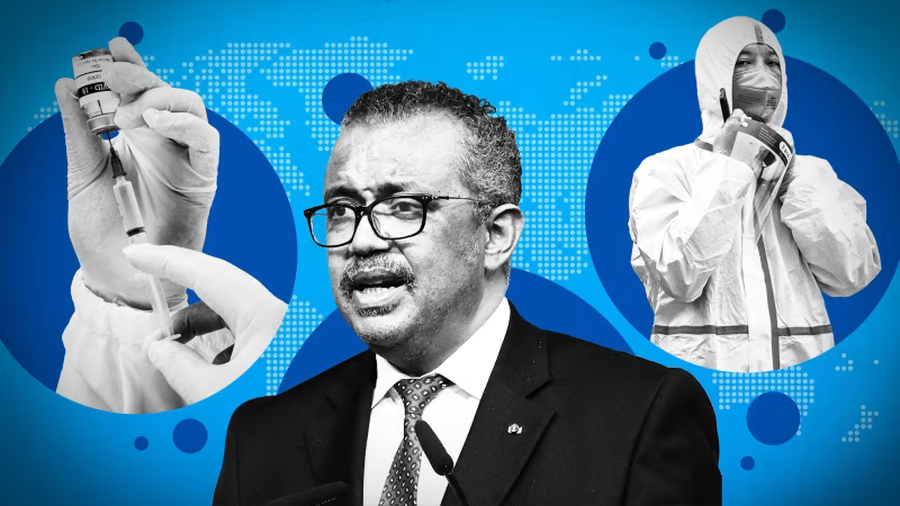
In March, officials from 194 countries met to agree a global plan on a threat known as "Disease X".
The ominous codename refers to the still-unknown disease that is expected to one day ravage the world in a pandemic like Covid-19 or perhaps cause even greater damage.
This fear has led to nine rounds of painstaking international negotiations on the text of the world's first pandemic treaty, which must be reached before the WHO's annual decision-making assembly convenes in May.
The agreement aims to help governments, institutions and the population avoid the mistakes that were made during the Covid crisis, but it has created huge debates. In talks taking place online and in person in Geneva, low- and middle-income countries are pressing rich nations and pharmaceutical companies to go much further than they have before in sharing life-saving health resources.
Some conservatives in the US and beyond argue that the treaty is too broad. When the latest round of talks ended without a deal on March 28, the headline of a Fox News story was: "Disease X: Critics say Biden admin is selling US sovereignty with WHO treaty."
Rising geopolitical tensions between powerful countries and political changes within some of them are threatening to derail the treaty's goals. At the center of the debate is WHO director-general Tedros Adhanom Ghebreyesus, who remains confident that countries will agree to a deal by its deadline.
"They know who and what they want. So it's time to give and take now," he says. However, experts are concerned that we may not have a landmark agreement that would improve preparedness for a pandemic. This would undermine efforts to correct the serious failures of monitoring, response and international cooperation that led to the millions of deaths and severe economic and social damage caused by Covid-19.
"I hope the experience of this pandemic will remind people that when these events happen, certainly on that scale, they really become global security concerns. Health security, economic security and even national security are at risk when infectious diseases get out of control," says Richard Hatchett, chief executive of the International Coalition for Epidemic Preparedness Innovations (Cepi).
Vendet duhet të shfrytëzojnë mundësinë për të investuar në strukturën e kujdesit shëndetësor për të mos lënë mësimet e Covid-19 të zhduken, thotë Ashley Bloomfield, një ish-zyrtare shëndetësore e Zelandës së Re. Reagimi ndaj shpërthimeve të sëmundjeve ka qenë historikisht një “cikël paniku dhe neglizhimi”, thotë ajo.
Kërcënimi i sëmundjeve zoonotike, që kalojnë nga kafshët tek njeriu kanë qenë prej kohësh mes nesh. Tërbimi dhe salmonela janë dy shembuj apo dhe virusi Ebola që shpërtheu në Afrikën perëndimore në 2014. Këta faktorë, të kombinuar me përvojën e zymtë të Covid-19, lindën idenë e një traktati ndërkombëtar për gatishmërinë dhe reagimin ndaj pandemisë.
Supozohet që të ketë një mënyrë për të mos përsëritur spektaklin e vendeve të pasura dhe të fuqishme që blenë miliarda doza vaksinash për veten e tyre, ndërkohë që pjesa më e madhe e botës kishte qasje minimale. Në një artikull të përbashkët të botuar në mars 2021, dy duzina liderësh të vendeve duke përfshirë Mbretërinë e Bashkuar, Francën, Afrikën e Jugut dhe Indonezinë propozuan një marrëveshje për të “nxitur një qasje të re të gjithë qeverive dhe të gjithë shoqërisë”.
Qëllimi i tyre ishte të përmirësonin bashkëpunimin global në sistemet e alarmit, shkëmbimin e të dhënave dhe kërkimin, si dhe prodhimin dhe shpërndarjen e masave shëndetësore, të tilla si vaksinat, ilaçet, diagnostifikimi dhe pajisjet mbrojtëse personale. Traktati do të ishte një kuadër detyrimi etik dhe jo detyrimi ligjor. Drafti ka ngritur akuza se është një rrëmbim i pushtetit të OBSH-së.
Edhe pyetja se sa para po shpenzohen për përmirësimin e gatishmërisë ndaj pandemive është e vështirë të ketë përgjigje. Banka Botërore, me ndihmën e OBSH-së, ka krijuar një Fond Pandemik për të ndihmuar vendet me të ardhura të ulëta dhe të mesme që të përmirësojnë gatishmërinë dhe reagimin e tyre. BB tha në shkurt se kishte mbledhur më shumë se 2 miliardë dollarë kapital fillestar nga 27 kontribues.
Mosmarrëveshja e burimeve është pjesë e një sërë dallimesh gjeopolitike që duhet të kapërcehen, ose të paktën të menaxhohen, nëse traktati i pandemisë dhe përpjekjet më të gjera të gatishmërisë duan të kenë sukses.
Një polemikë e ndezur është mbi misterin e vazhdueshëm rreth mënyrës se si Covid u shfaq në Kinë në fund të 2019. Hetuesit ndërkombëtarë kanë pasur vetëm akses të kufizuar, duke lënë pa përgjigje pyetjet vendimtare si nëse virusi doli nga një rrjedhje laboratorike.
OBSH i shkroi sërish Kinës javën e kaluar duke bërë thirrje për më shumë bashkëpunim, pasi të kuptuarit se si filloi pandemia Covid është thelbësore si për arsye shkencore ashtu edhe për ato morale, thotë Tedros. "Ne ende nuk e dimë përgjigjen - dhe kjo në një farë mënyre mund të na verbojë kur të vijë pandemia tjetër," thotë ai.
Beijing has participated in the pandemic treaty talks, arguing that the agreement should focus on "the practical needs of developing countries and reflect the principles of fairness, solidarity, consensus and inclusiveness," according to the government-controlled China Daily newspaper.
At the same time, China — like other major powers — wants to maintain sovereignty and flexibility of action, according to a paper analyzing the country's motives and actions published in January in the journal Frontiers in Public Health. "While embracing global cooperation, China insists on voluntary terms without compromising policy space," the authors write.
Another uncertainty about the treaty is the involvement of the US. Supporters of the deal say it must be agreed before the country's presidential election in November, in case Donald Trump is returned to power. In July 2020, Trump initiated the formal process to withdraw his country from the WHO; the following January, Joe Biden reversed that decision in one of his first acts after becoming president./ Taken with cuts from the Financial Times



Lini një Përgjigje