


 Shkruar nga Diplomatico | Pamfleti.net
Syrian President Warns: Is Israel Using the Druze Community to Ignite the Balkans of the Middle East?
At least 29 people were killed in Israeli strikes on Gaza today, including two elderly people in the besieged territory's only Catholic church. The heavy attack comes in the wake of a massive bombardment that has killed a record 58,573 people and wounded 139,607 since the offensive began in October 2023, following a Hamas attack that killed 1,139 Israelis and took more than 200 hostages.
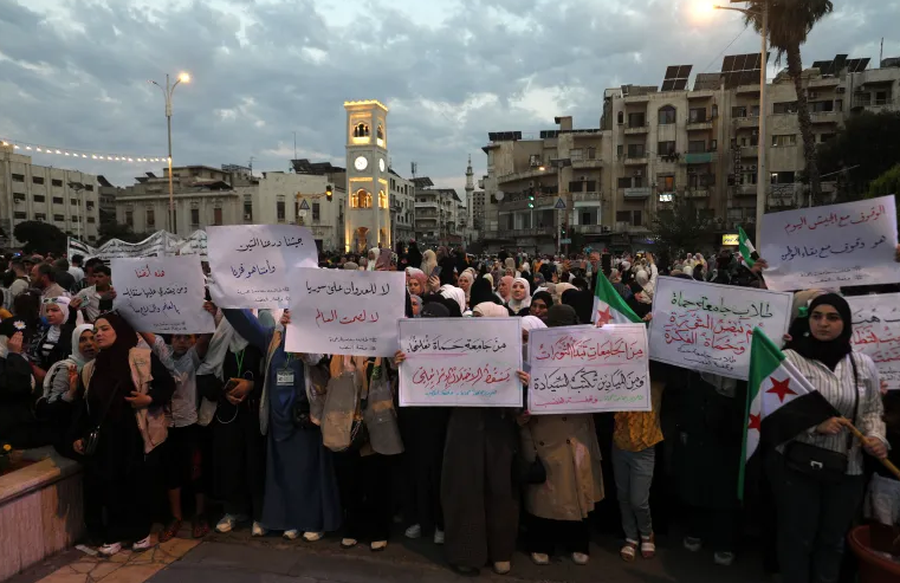
Meanwhile, in Syria, government troops are withdrawing from the southern region of Suwayda, following a forced ceasefire with the Druze minority. Syrian President Ahmed al-Sharaa accused Israel of trying to cause division and chaos within the country, calling the latest attack in the heart of Damascus a blatant interference in Syria's internal affairs.
The Church as a Target: New Diplomatic Crisis for Israel?
The attack on the Church of the Holy Family has sparked fierce international reactions, tarnishing Israel's image and questioning the moral legitimacy of its offensive in Gaza.
Damascus on the Target: Is Israel Supporting the Druze, or Seeking Destabilization?
By bombing the Syrian Ministry of Defense, Israel sends a clear message that it will not hesitate to intervene militarily, placing the new Syrian regime in the face of strategic dilemmas.
The Israeli offensive in Gaza is entering its most critical phase with record casualties, causing strong international reactions and increasing diplomatic pressure on Israel.
-The attack on the Catholic church risks a new diplomatic crisis, increasing global anger and pressure on Western countries to intervene in the humanitarian crisis.
-The Syrian withdrawal from Suwayda is seen as a tactical victory for the Druze, but Israel's military involvement could lead to a wider regional conflict.
-The Syrian president accuses Israel of seeking to destabilize Syria through military interventions, which could also be a test for the new government in Damascus.
The current situation poses a high risk of further escalation of the conflict, making international diplomatic activation urgent. Albania and the Balkans should monitor the situation closely, as any regional explosion could have direct effects on Southeast Europe./ Pamphlet





Lini një Përgjigje