


 Shkruar nga Pamfleti
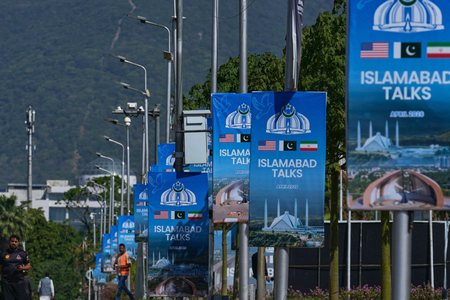
Iran has signaled its willingness to send a delegation to Islamabad for a second round of talks.
According to the Associated Press, a U.S. delegation is also reportedly considering a trip to Pakistan. Pakistani government officials, who spoke on condition of anonymity, expressed cautious optimism. Pakistan said it would not release details of either side's travel plans for security reasons.
Despite the blockade of the Strait of Hormuz, the EU Commission has given the green light: "currently", there is no fuel shortage. Member states regularly exchange information on the supply situation and "the availability of aviation fuel is, of course, a priority", a spokesman said on Monday in Brussels. The International Air Transport Association (IATA) had warned of fuel shortages on Friday.
The Commission spokesperson explained that EU member states have "significant capacity to refine crude oil and produce aviation fuel" and therefore do not rely solely on imports and reserves. The Commission is preparing for "possible measures", but these depend on further price developments and the Iran conflict.
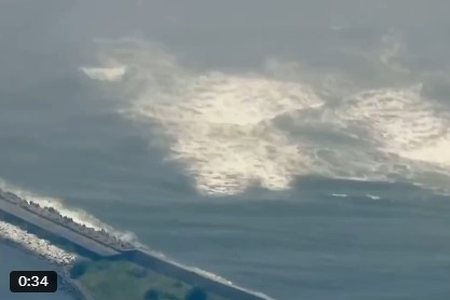
Maritime traffic through the Strait of Hormuz has almost completely stopped. Maritime transport data shows that there have been only three transits in the last twelve hours. The oil tanker "Nero", which is subject to British sanctions, has left the Gulf and passed through the strait. This is according to satellite analysis by specialist firm SynMax and tracking data from the Kpler platform. In addition, a chemical tanker and a liquefied gas tanker have entered the Gulf.
According to security sources, US President Donald Trump intends to consider the advice from Pakistan. Pakistani Army Chief Asim Munir told Trump in a phone call that the US blockade of the Strait of Hormuz is an obstacle to talks between Iran and the US, a Pakistani source told Reuters. Trump has promised to take the assessment into account.





Lini një Përgjigje