


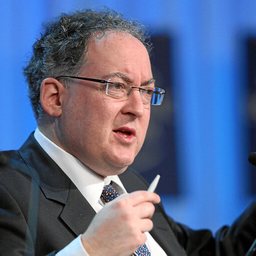
 Shkruar nga Gideon Rachman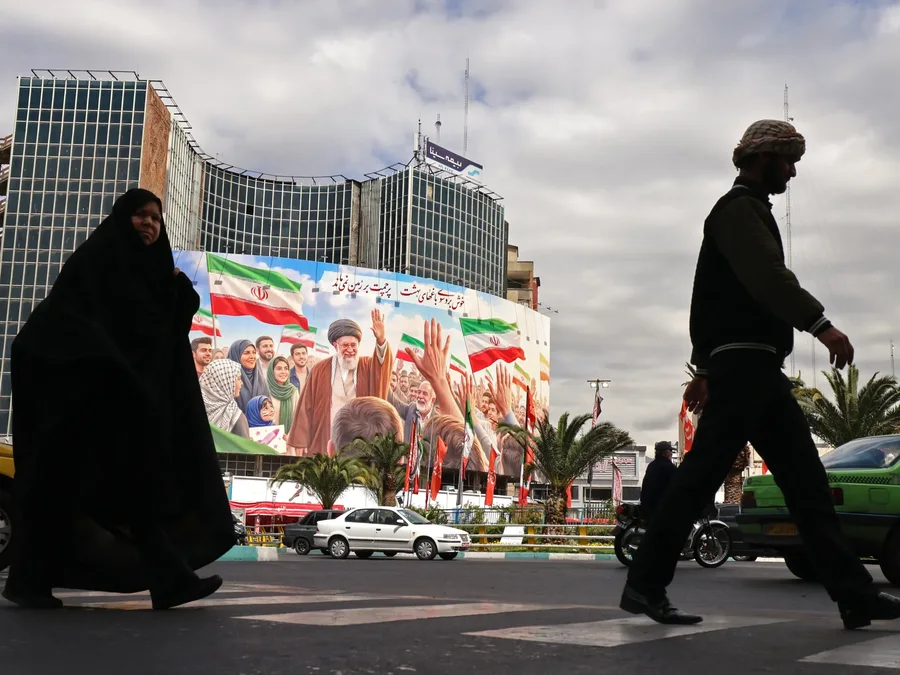
The Middle East and the global economy have not yet seen the worst of this crisis...
The fog of war is a familiar idea. The US and Iran are now introducing a new concept to the world: the fog of peace.
A ceasefire is in place in the conflict between America, Israel and Iran. But little else is clear. This week began with the Americans saying that new peace talks were about to begin, and the Iranians denying this. Will the current ceasefire last beyond Wednesday? Has Iran offered to halt all nuclear enrichment? Will the Strait of Hormuz remain closed or reopen?
It all depends on who you ask, and when you ask. On Friday, April 17, President Donald Trump triumphantly announced that “Iran has agreed to never close the Strait of Hormuz again.” The next day, Iran announced that it was closing the strait.
Looking through the haze of peace, here is my best guess as to what is likely to happen next. The good news is that both Iran and the US want a peace deal. The Iranians know how vulnerable they are to further aerial bombardment. The Americans understand the threat to the global economy from the continued closure of the strait.
The bad news is that the two sides do not trust each other and remain far apart on all the core issues. These include nuclear enrichment, freedom of navigation, sanctions relief, the future of Lebanon and Israel, Iran's missile program and its support for regional allies like Hezbollah.
Under normal circumstances, resolving all of these issues would take months, even years. The Iran nuclear deal (known as the JCPOA) that was signed in 2015, and then canceled by Trump in 2018, took roughly three years to implement.
However, the global economy cannot afford to wait months for negotiations to yield results. The ongoing closure of the Strait of Hormuz will continue to push up energy prices. Jet fuel shortages could be felt within weeks. Farmers around the world are terrified by the rise in the price of fertilizer, and this will soon affect food prices. The US blockade of Iran will also increase direct economic pressure on the Islamic republic.
The key questions now are: Will the growing economic pressure force both sides to reach a diplomatic agreement quickly? Or will the difficulty of narrowing the gap between Iranian and American positions lead to a breakdown in talks and an escalation of the conflict?
Either outcome is possible, but I think the situation will escalate. If that is true, then the Middle East and the global economy have not yet seen the worst of this crisis.
Escalation is likely because both the US and Iran seem to think they can force the other side to back down first. US Vice President JD Vance returned home from failed talks with the Iranians in Pakistan on April 12 in an upbeat mood - telling confidants that the US blockade would probably force the Iranians to back down within days.
But throughout this conflict, the Trump administration has consistently overestimated America’s ability to bend Iran to its will and underestimated the Iranian regime’s resilience. This pattern now threatens to repeat itself.
America may have already started a new cycle of fighting by seizing an Iranian ship. If the US escalates the situation further, for example, by following through on President Trump’s threat to “shoot down every power plant and every bridge in Iran,” then Iran is far more likely to retaliate than to back down. Iranian retaliation could include striking oil refineries and offshore platforms in the Persian Gulf, or encouraging Houthi rebels in Yemen to carry out their threat against ships passing through the Red Sea.
Any of these moves would significantly worsen the global energy crisis. Even as things stand, the Iranians know that the current blockade of the strait will have increasingly sharp effects on the world economy.
The coming weeks, and perhaps months, are likely to see periods of escalation, mixed with periods of negotiation, with the two processes sometimes moving hand in hand as Iran and the US test each other's will. Some issues will be easier to resolve than others. Iran is probably not currently enriching uranium, so it could agree to an indefinite moratorium in exchange for American recognition of its legal right to enrich.
Tehran’s determination to impose some kind of payment system on the Strait of Hormuz may be the most complicated problem. But even here, creative diplomatic minds are at work. What if the proceeds were split between Iran and Oman, or even the US, as Trump has suggested, and then dressed up as a temporary post-war reconstruction fund?
There are further “known unknowns” that could complicate matters. How much economic pressure is Iran under, and how divided is the regime? The evidence seems to indicate that extremists are gaining influence in Tehran. On the American side, it is unclear whether, beyond his bravado, Trump truly understands the limited nature of his military options. Israel’s role is also unpredictable. Could Netanyahu’s government provoke another crisis if it doesn’t like the way the negotiations are going?
Financial markets closed last week higher, seemingly convinced that the worst of the crisis is over. That assumption seems too optimistic./ Adapted from “Pamphlet” by “Financial Times”



Lini një Përgjigje