


 Shkruar nga Oliver Kuhn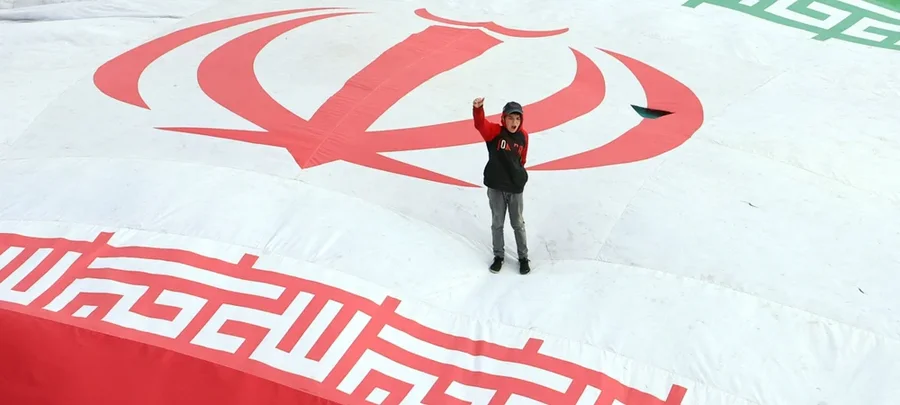
Donald Trump declares that Iran is "defeated and totally destroyed", how long does this stand and what happens to the other targets
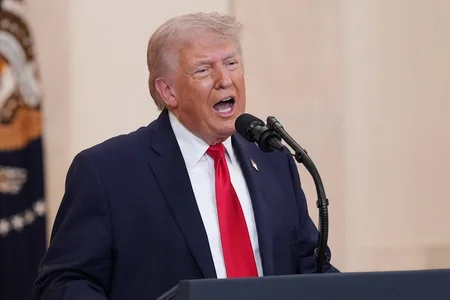
US President Donald Trump declares that Iran is “defeated and totally destroyed.” But is this true, and what is the state of America’s other war targets?
The US president and his administration have offered several reasons since the attack on Iran five weeks ago to explain the decision to take action. In a video message at the start of the war, Trump said the goal was to eliminate an “acute threat” from Iran. He was mainly referring to Iran’s nuclear program.
However, over time, other objectives emerged. In his final address to the American people, Trump said that the operation was nearing completion and that Washington had “totally defeated and destroyed” Iran. But how far is the United States from achieving these objectives?
Nuclear program
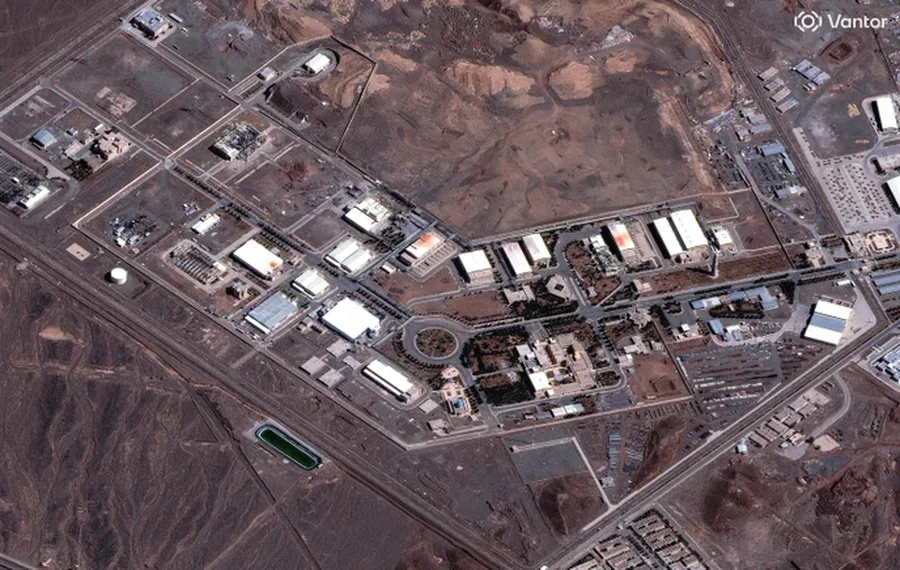
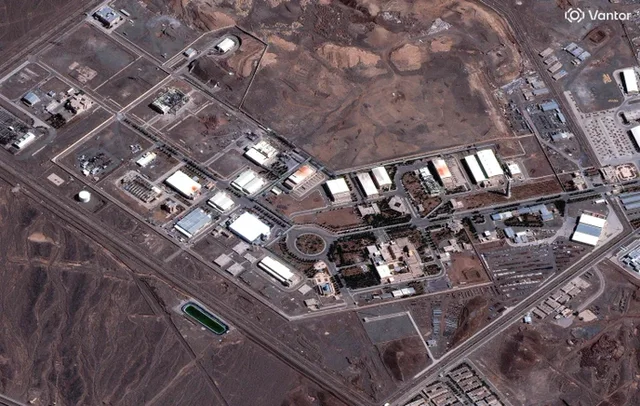
The overarching issue is Iran's nuclear program. In his speech, Trump said that since announcing his candidacy in 2015, he had vowed that Iran would never have a nuclear weapon. In fact, Iran's nuclear program appears to have been hit hard by the massive bombing campaign of recent weeks. Trump said that nuclear facilities have been repeatedly attacked and that it will be months before "you can even get close to radioactive dust."
However, especially after the 12-day war and Operation Midnight Hammer last year, Trump also declared that Iran's nuclear program had been completely destroyed. Even then, the US and Israel had bombed Iranian nuclear facilities.
Trump's statements are related to the technical issue of how much the nuclear program has been weakened. But politically another question arises: how aggressively will Iran act in the future in this regard? For decades, Iran has stated that it does not seek nuclear weapons and that the program is for civilian purposes. This restraint - at least in public statements - could end if the regime concludes that only nuclear weapons can protect it from further attacks.
Iranian missiles
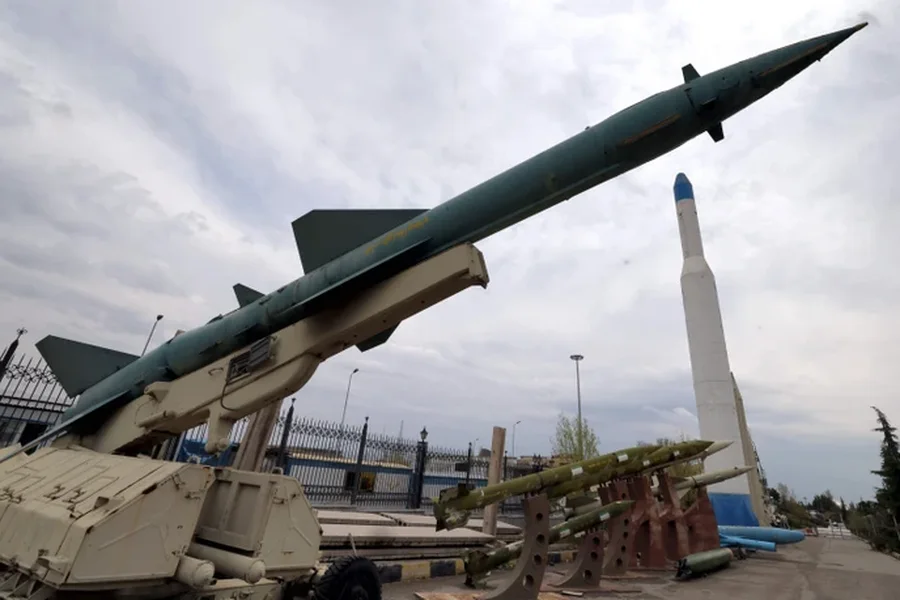
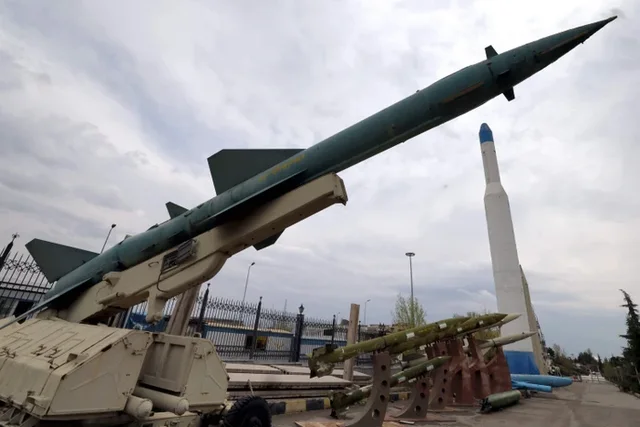
Another target of the attack was the Iranian missile arsenal. This was also emphasized by Defense Secretary Pete Hegseth at a press conference. Iranian missiles cannot reach the United States, but they can hit partners in Europe. According to him, the US acted to protect allies and partners in the region.
Iran is no longer capable of carrying out massive missile attacks, Hegseth declared. Trump also reinforced this by saying that Iran's ability to launch missiles and drones is "significantly limited."
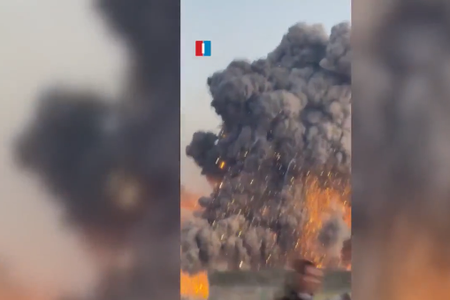
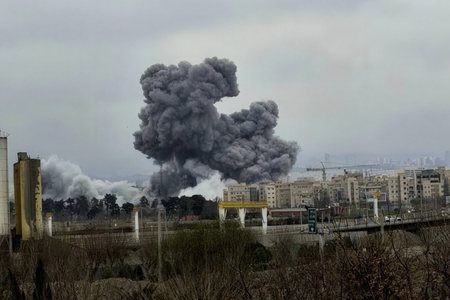
This seems partly true. The decline in the frequency of Iranian attacks suggests that US and Israeli air forces have quickly destroyed known launch sites. However, Iran has recently shown that it is still capable of striking. Israel reported three waves of missile attacks targeting the center of the country. Media reported nine strikes and the use of cluster munitions.
On the other hand, the US and Israel have also targeted the arms industry. This could create problems for Iran's supply of missiles and drones. Reports last week indicate that Russia is supplying Iran with drones.
Iranian Navy
Another objective was to destroy the Iranian navy. This has been largely achieved. The US Chief of Staff, Dan Caine, stated that the US has sunk 150 Iranian naval vessels, including all the frigates. However, Iran still appears to have smaller naval vessels that pose a threat to shipping. This is one reason why Tehran may block the Strait of Hormuz.
Support for partners and armed groups
Another objective was to stop Iranian support for regional partners and armed groups around the world. This objective appears to have been largely achieved. Iran will have to focus on rebuilding its country. Hezbollah in Lebanon, which Israel is cracking down on, is expected to remain temporarily isolated. Hamas in Gaza and the Houthis in Yemen have limited their activity and focused on symbolic actions.
A new regime
Ultimately, the US also aimed for regime change in Iran, as Secretary of State Marco Rubio stated in early March. However, this has not been achieved. Although Supreme Leader Ayatollah Khamenei was killed on the first day of the war and other key figures were eliminated, a successor was quickly appointed. Key figures such as President Massoud Peseschkian and Parliament Speaker Mohammad Bagher Ghalibaf remain in office. The Revolutionary Guards also continue to exist.
Trump has repeatedly called on Iranian citizens to take power, but that has not happened. After the crackdown on protests in January, in which over 30,000 people are reported to have been killed, there is no sign of an imminent overthrow of the regime.
On the technical and military front, the United States has achieved a large part of its objectives. Trump declared that Iran has been “bombed back to the Stone Age.” However, on the political front, there have been no fundamental changes. On the contrary, there are fears that more radical elements could strengthen and accelerate efforts to obtain nuclear weapons. Trump added that the US will closely monitor developments and will intervene again if it sees “the slightest movement.” /Adapted from FAZ /


Lini një Përgjigje