


 Shkruar nga Pamfleti
Iranian Foreign Minister Abbas Araghchi is planning a tour of Pakistan, Russia and Oman in an effort to see if there is a basis for reopening peace talks that could end with a permanent US-Israeli commitment to halt attacks on Iran, now one of Tehran's main demands.
Araghchi is also likely to discuss a new permanent agreement on governance of the Strait of Hormuz with Oman, which oversees the southern part of the strait.
Islamabad had hoped that Araghchi's visit would result in the resumption of bilateral talks with a US negotiating team led by Vice President JD Vance, but neither side, both claiming that time is on their side, appears willing to back down from its demands. Pakistan has acted as a mediator but is struggling to find common ground.
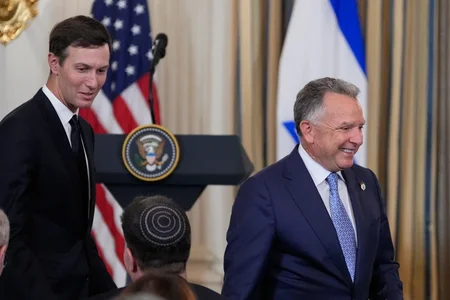
Araghchi is expected to speak with Pakistani mediators first, but US officials said US negotiators Jared Kushner and Steve Witkoff were also flying to Islamabad. Mohammad Bagher Ghalibaf, the leader of the Iranian negotiating team in the first round of talks, will not participate at this stage.
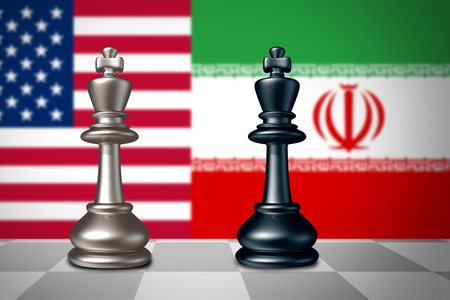
Iran says it will not resume talks until the US lifts its blockade of Iranian ports, while the US is demanding verifiable guarantees that Tehran will end its nuclear program and lift its devastating blockade of the strait.
In a new idea being considered, Iran is considering splitting up its 400 kg stockpile of highly enriched uranium and agreeing to gradually dilute the enrichment level of each package in exchange for the lifting of specific sanctions. Iran is also still looking to see if China could be included as a guarantor of any deal.
When Araghchi visits Moscow, Russia is likely to revive its offer to Iran to take a share of the reserves, something it has done in the past.
Iranian Foreign Ministry spokesman Esmail Baghaei, speaking on Iranian television, said that the main topic in the negotiations was no longer the nuclear issue, but rather "ending the war in a way that secures the country's interests. We accept the ceasefire only if it is the first step to ending the war on all fronts. Regarding the country's demands, issues such as compensation, the Strait of Hormuz, the lifting of sanctions, all these issues are critical for the country's future."
He stressed that non-aggression commitments were required not only by the US, but also by Israel, which has not been a party to the talks. Donald Trump has extended the ceasefire in Lebanon, a move that had been resisted by Israel.


Lini një Përgjigje