


 Shkruar nga Pamfleti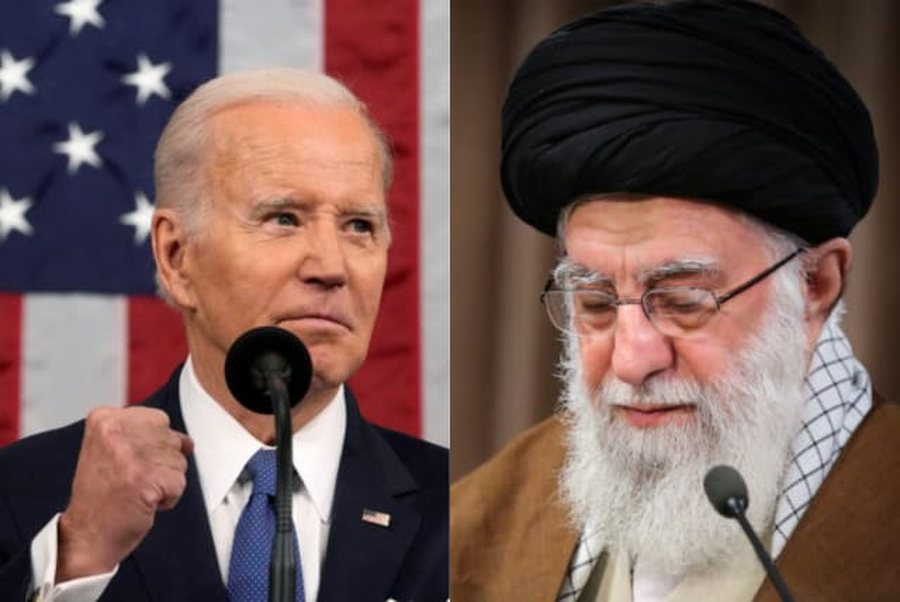
It's easy to get discouraged by the bad news coming out of Gaza, but one of the most overlooked parts of the many statements by various leaders is Israeli President Isaac Herzog's speech in Davos. During the Economic Forum in Switzerland, he expressed his optimism for the normalization of relations with other countries in the region.
While there may be no rapprochement with Hamas or Iran, which he called "an evil empire," Herzog said normalizing relations with Saudi Arabia remains an opportunity to move forward toward a better future.
" I would encourage all parties to discuss the option of normalizing relations with Saudi Arabia. I believe it is a game changer and follows the example of nations such as Egypt, Jordan and the nations of the Abraham Accords, the United Arab Emirates, the Kingdom of Morocco and the Kingdom of Bahrain. It means a change in the world" , he said.
There is speculation that the attack by Hamas on October 7 was intended to destroy any move towards warmer relations. If that was the intention, it seems to have failed.
Saudi Foreign Minister Prince Faisal Farhan was in Davos and called for an immediate ceasefire before further negotiations take place. But he said the Saudis remain interested in a normalization deal with Israel that allows for a two-state solution.
US Secretary of State Antony Blinken was in Saudi Arabia earlier this month, where he met with Crown Prince Mohammed bin Salman and told reporters that the Saudis remain committed to reaching a deal. The Times of Israel reported that technical talks between the US and Saudi sides are still ongoing.
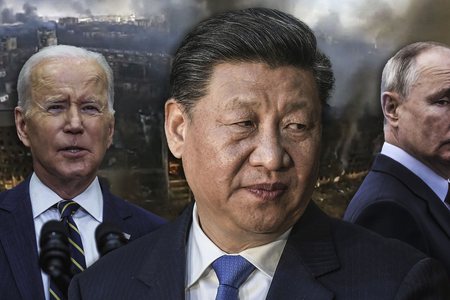
In Davos, Herzog offered an even bigger picture. He said that at the G20 summit in New Delhi last September, President Joe Biden unveiled his plan for a rail and maritime corridor that would provide energy resources and digital connectivity between Europe and the South China Sea, creating the Middle East as an economic center. This alternative to China's Belt and Road Infrastructure program received enthusiastic support from the European Union, India, Saudi Arabia, the United Arab Emirates, Jordan and Israel. The Americans saw the project, which does not yet have a timeline, budget or road, as a means of binding the region together, with the exception of Iran.
Herzog said this would mean improving connectivity between the United States and Australia without crossing the Pacific.
"This is a great vision, a vision that has been derailed by an evil empire, which is Iran. But it will definitely come back because of the desire of nations to move towards peace," said Herzog.



Lini një Përgjigje