


 Shkruar nga Pamfleti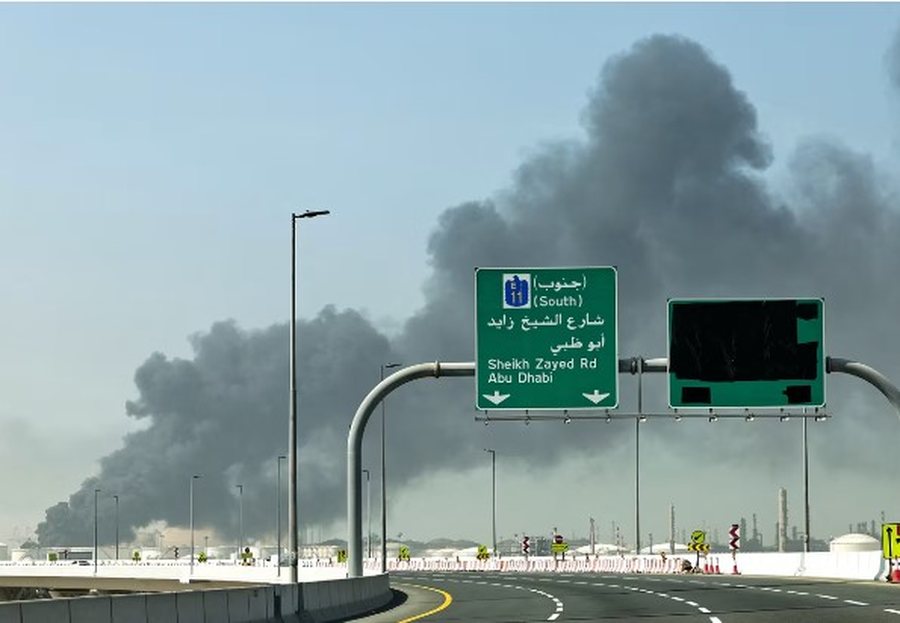
Iran warned that any attack on the country would cause a regional conflict.
The United States and Israel either did not believe this warning, or considered it a risk worth taking. Eleven days after the war began, the Gulf Arab states are paying the price, and none more so than the United Arab Emirates.
More than 1,700 missiles and drones have been fired at the United Arab Emirates since the start of the war, according to the country's Ministry of Defense. More than 90 percent of them have been shot down by interceptors, fighter jets and helicopters.
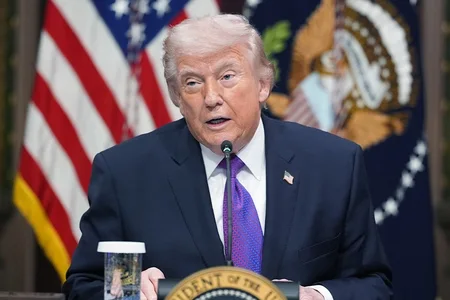
US President Donald Trump admitted in an interview with CNN's Jake Tapper last week that Iran's willingness to attack its Arab neighbors was the biggest surprise of the war for him.
On Sunday, Iran's Islamic Revolutionary Guard Corps said it was using 60 percent of its firepower against what it called American "bases" and "strategic interests" in neighboring Arab countries, while the rest was directed against Israel.
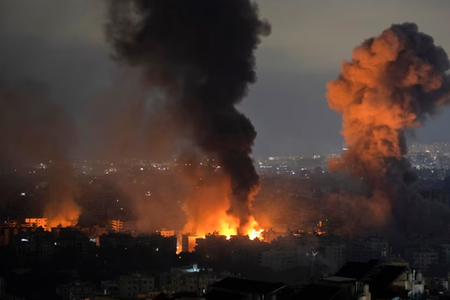
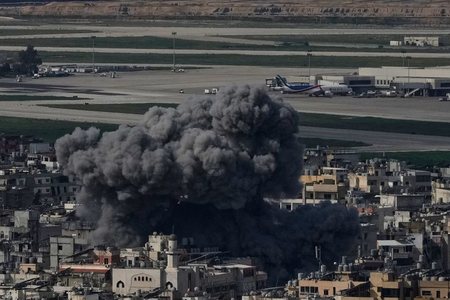
More shells have been fired at the United Arab Emirates than at any other country, probably more than at Israel, which, along with the US, started this war. Some of them have landed in homes, offices and streets in densely populated urban areas, killing four people, all civilians.
Why Dubai?
“Dubai is really the epicenter of globalization,” says Fawaz Gerges, professor of international relations at the London School of Economics. “Iranian leaders see Dubai as the foundation of the Western global economic system… this shakes up the world economy, not just Dubai and the UAE.”
Perception is key. Images of a fire burning outside a Dubai international hotel or an attack inside Dubai International Airport capture international attention as tens of thousands of expatriates and tourists try to flee the country.
No one was injured in any of these attacks, but the psychological impact could be considerable.
Gerges points out the irony that the UAE has served for years as an economic lifeline for Iran, while Tehran faced one of the harshest sanctions regimes in history.
A UAE official told CNN that relations will eventually normalize, but it could take "decades" to rebuild trust.
The United Arab Emirates is one of Iran's largest trading partners, second only to China. Business between the two countries had expanded even as the US continued to tighten sanctions on the regime.
Bilateral trade reached $28 billion in 2024, according to the World Trade Organization.
Rreth gjysmë milioni iranianë jetojnë në Emiratet e Bashkuara Arabe.
Irani citon aleancën strategjike dhjetëravjeçare të Abu Dhabit me Uashingtonin si justifikim për sulmet. I cilësuar si “partner i madh mbrojtës” nga SHBA vitin e kaluar, Emiratet e Bashkuara Arabe e kanë bërë të qartë se kujt i besojnë për sigurinë e tyre.
Vendi ka investuar dhjetëra miliarda dollarë në avionë luftarakë, helikopterë dhe sisteme amerikane të mbrojtjes ajrore, të cilat tani janë të angazhuara në mbrojtjen e qytetarëve dhe emigrantëve nga sulmet e pashembullta të Iranit.
Duke u shkaktuar dhimbje aleatëve të SHBA-së
Sanam Vakil nga Chatham House thotë se Emiratet e Bashkuara Arabe përmbushin më shumë se një kriter për Republikën Islamike në përpjekjen e saj për t’i shkaktuar presion SHBA-së dhe aleatëve të saj.
“Duke goditur Emiratet e Bashkuara Arabe, Irani jo vetëm që po synon një partner kyç të SHBA-së, por gjithashtu po sinjalizon se një vend që strehon miliona emigrantë dhe që shërben si një nyje e rëndësishme në financat, aviacionin dhe tregtinë globale nuk mund të izolohet.”
Shkalla e hakmarrjes mund të tregojë edhe se deri në çfarë mase regjimi iranian e sheh këtë luftë si një kërcënim ekzistencial.
Kur Izraeli bombardoi objektet bërthamore të Iranit, sulme të cilave iu bashkuan në ditët e fundit edhe SHBA, përgjigjja fillestare e Iranit ishte e kufizuar. Teherani sulmoi bazën ajrore Al Udeid në Katar, një veprim që besohet se ishte sinjalizuar paraprakisht.
Pas këtij sulmi, Presidenti Trump nënshkroi një urdhër ekzekutiv për t’i dhënë Katarit një garanci sigurie në stilin e NATO-s, pasi edhe ai vend ishte shënjestruar nga Irani gjatë luftës aktuale.
Ekziston edhe një faktor gjeografik. Vetëm rreth 100 kilometra ujë ndajnë Iranin dhe Emiratet e Bashkuara Arabe. Raketat dhe dronët arrijnë shumë shpejt në brigjet e Emirateve.
“Fjalë për fjalë, është ngjitur. Është shumë më e lehtë të sulmosh Dubain dhe Emiratet e Bashkuara Arabe sesa vende të tjera, le të themi Jordaninë ose Izraelin, sepse Izraeli është i mbrojtur mirë nga një sistem i fortë mbrojtjeje ajrore”, thotë Gerges.
Emiratet e Bashkuara Arabe kishin ndaluar përdorimin e bazave të tyre ushtarake ose hapësirës ajrore në rast të një sulmi ndaj Iranit.
Megjithatë, ky pozicion nuk i mbrojti nga sulmet. Presidenti i Emirateve të Bashkuara Arabe, Mohamed bin Zayed al Nahyan, vizitoi disa nga të plagosurit gjatë fundjavës dhe lëshoi një paralajmërim të rrallë për armiqtë e vendit.
“U them atyre mos u mashtroni nga pamja e Emirateve të Bashkuara Arabe. Emiratet e Bashkuara Arabe kanë lëkurë të trashë dhe mish të hidhur ne nuk jemi pre e lehtë.”
Shoku shndërrohet në zemërim
Tronditja nga fakti që Emiratet e Bashkuara Arabe u bënë objektivi kryesor në listën e hakmarrjes së Iranit është shndërruar shpejt në zemërim. Mina Al-Oraibi është redaktore e gazetës së Emirateve të Bashkuara Arabe The National.
“On the morning the war started, the people you spoke to were very upset when they said that Israel and the US had chosen the military option… but very quickly, as Iran began attacking the UAE and other countries, the rage and sense of injustice turned towards Iran.”
The hope and relief after Iranian President Masoud Pezeshkian apologized over the weekend and said Iran would no longer target its neighbors was short-lived.
New missile attacks continued to threaten the United Arab Emirates and other Gulf states. In every conflict, there is also the parallel reality of “business as usual.” On the beaches of Dubai, there is no shortage of tourists sunbathing, refusing to let a war they do not want to be involved in change their lives.



Lini një Përgjigje