


 Shkruar nga Pamfleti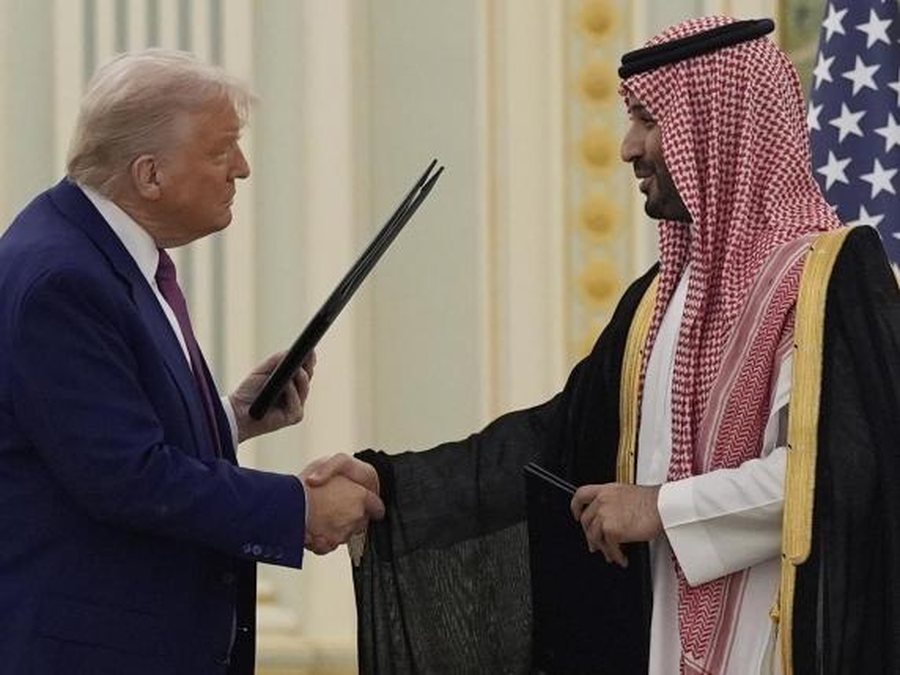
The US turns its back on Israel, Trump approaches Saudi Arabia for a "marriage of convenience"...
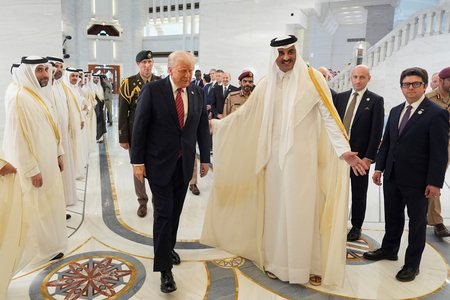
For the Saudi prince, hugs and repeated declarations of sympathy: "I like him, I like him a lot." For the Israeli prime minister, not even a visit during his first trip to the Middle East: Jerusalem was bypassed and an unprecedented coldness was demonstrated.
It's not enough to say that Donald Trump is ready to reserve for Benjamin Netanyahu a treatment similar to that of Zelensky, but when you consider that Israel has always been untouchable for him – while Ukraine has never thrilled him – the change in tone is striking.
Following this parallel, the obsession with Mohammed bin Salman, or MbS, the Saudi crown prince, has many similarities to Donald's liking for Putin: an admiration for his determined (not to say authoritarian) character and brutal ways, a kind of envy for the decision-making shortcuts that are made possible by the disappearance of any democratic aspirations, and above all an affinity for very material "values": the opportunity to do business without restrictions and without obstacles. Something that will be possible with Russia once Trump solves the "pesky problem" of Ukraine and lifts sanctions on Moscow.
With MbS, on the contrary, the business marriage has already been crowned and is bearing abundant fruit. And it is also a strategic alliance, which hinders Israeli plans for an endless war in Gaza, but which, at least for the moment, does not consider the future of Gaza and the Palestinians as a priority. Although there are rumors circulating about a peace plan that the American president could announce on Friday. And with it, as is already understood, surprises are never excluded.
In fact, it wouldn't be the first time: his 2020 Abraham Accords – which brought about mutual recognition between Israel, the United Arab Emirates, Bahrain, Morocco and Sudan – included a Palestinian state described in every detail, signed by Netanyahu. Who then, as usual, was a master at gaining recognition without leaving even a trace of Palestine.
What is clear now is that, despite claims of isolationism, Trump’s actions demonstrate a very active and pragmatic approach. He is critical of the nation-building ideologues – be they right-wing neocons or left-wing liberals – who aim to impose regime change, Western values and democracy on the region. Meanwhile, according to Trump, the only thing that matters is to silence the guns and restore some order so that business can finally get done.
That's why he likes MbS more than Bibi now: because he's no longer obsessed like him, especially with Iran.
Gjatë mandatit të parë të Trumpit, trashëgimtari impulsiv i fronit saudit veproi si një princ i kaosit: bëri të zhdukej në mënyrë brutale gazetari disident Jamal Khashoggi, nisi luftë kundër Houthive në Jemen, e mbajti peng për katër ditë kryeministrin libanez për ta detyruar të largonte Hezbollah-un pro-iranian nga qeveria, dhe vendosi një embargo nga vendet e Gjirit kundër Katarit – edhe kjo për shkak të lidhjeve me Iranin. Pra, gjithçka për të frenuar boshtin rajonal të ndërtuar nga Teherani.
Por në vitet që Trump ishte larg Shtëpisë së Bardhë, fiksimi i MbS me Iranin është zbehur deri në atë pikë sa ka bërë paqe me të, me ndërmjetësimin e kinezëve. Katari është ri-integruar në konsorciumin e fuqive naftëmbajtëse të Gjirit. Ndërkohë që Izraeli ka bërë punën e pistë për të goditur Iranin, Hezbollahun dhe Hamasin, duke e dobësuar regjimin e Assadit në Siri.
Me Iranin të zbutur dhe të joshur, për princin saudit nuk ka më nevojë për një marrëveshje formale me shtetin hebraik. Dhe ndërsa dikur, ashtu si Izraeli, kundërshtonte çdo marrëveshje mbi programin bërthamor iranian, tani shtyn Trump-in të arrijë një marrëveshje me Teheranin, pasi e ka bindur që të heqë sanksionet ndaj Sirisë dhe t’i shtrijë dorën presidentit të ri sirian Ahmed al Sharaa – i cili, megjithatë, vazhdon të jetë në listën amerikane të terroristëve. Bota përmbysur.
Kuptimin e gjithë kësaj, analisti izraelit Zvi Bar’el e përmbledh me pak rreshta, siç di të bëjë një mjeshtër i analizës: «Arabia Saudite është tani një aset strategjik për të cilin Trump është i angazhuar, ndërsa Izraeli po bëhet me shpejtësi një barrë strategjike. Arabia Saudite ka çelësin e stabilitetit rajonal dhe Trump ka nevojë për të për të fituar avantazhe ekonomike dhe diplomatike».
Në mes qëndron Gaza, e cila ka shumë rëndësi, por jo aq sa të bëhet vendimtare. Para 7 tetorit, normalizimi i marrëdhënieve midis izraelitëve dhe sauditëve dukej shumë afër. Dhe ishte. Do të kishte qenë triumfi i Netanyahut: paqe me fuqinë më të madhe ekonomike dhe simbolike sunnite, ruajtëse e vendeve të shenjta të Islamit, pa dhënë asgjë për një shtet palestinez në këmbim.
Autoriteti Kombëtar Palestinez ishte i dorëzuar përballë këtij fundi, duke u kënaqur me kompesime ekonomike. Sauditët ishin lodhur duke kërkuar një Palestinë që kurrë nuk vinte: njohja e saj ishte kusht për njohjen e Izraelit nga i gjithë bota arabe, një ofertë që kishte nisur që në vitin 2002 me Nismën për Paqe. Atëherë, përpara 7 tetorit, çmimi për MbS ishte një marrëveshje mbrojtjeje me Shtetet e Bashkuara dhe drita jeshile amerikane për programin civil bërthamor saudit. Por e djathta izraelite, e dyshimtë, u tregua e ngadaltë dhe humbi rastin.
Now, after nearly 600 days of massacre in Gaza, MbS knows that if he were to recognize Israel while abandoning the Palestinians, millions of Arabs would be in for a very bad time. So he has reinstated the condition: recognizing Israel only if there is also recognition of Palestine – or at least a significant commitment, even: “irreversible steps” in this direction.
But there's more: normalizing relations with Israel is no longer a condition for military deals between the Saudis and the Trump camp, who are looking each other in the eye and liking each other more and more. The defense and civilian nuclear deal will happen anyway. And that leaves Israel even more out of the game.
Also, having already gotten what they wanted from the Americans, it is unlikely that the Saudis will prioritize the creation of a Palestinian state. But in the meantime, they have stopped Trump’s delusions of a “Gaza Riviera” emptied of Palestinians. The mass deportation that the Israeli right dreams of now has Trump’s personal veto, because it would damage his agreements with Arab partners.
But the American president has gone even further these days: he has negotiated directly with Hamas for the release of "his" hostage, the Israeli-American Edan Alexander, and has supported several plans for Gaza. One would give America the management of humanitarian aid for the population, which is increasingly urgent due to the dramatic situation; another would even give it the administration of the Gaza Strip, on the model of Iraq after Saddam Hussein, but together with a government of Palestinian technocrats, who belong neither to Hamas nor to the Palestinian National Authority.
In this context, Hamas has even given signals of readiness to disarm, by handing over weapons to Arab mediators and releasing Israeli hostages and Palestinian prisoners.
In short, while Netanyahu announces an imminent re-invasion, Trump is described as “fed up with it” and determined to impose at least a ceasefire on him. At that point, the moment of confrontation would come between the two old friends: Bibi would have to choose between submitting to Donald, risking the collapse of his coalition that seeks war – and Trump, who would have to choose whether to follow the business logic to the end, as demanded by his far right, which is tired of paying Israel’s military bill. While the Saudis pay it themselves, and not a little: 142 billion dollars set out in the agreement.
This is why they are now Trump's strategic asset. /Adapted from "Pamphlet" by "Corriere Della Sera"



Lini një Përgjigje