


 Shkruar nga Pamfleti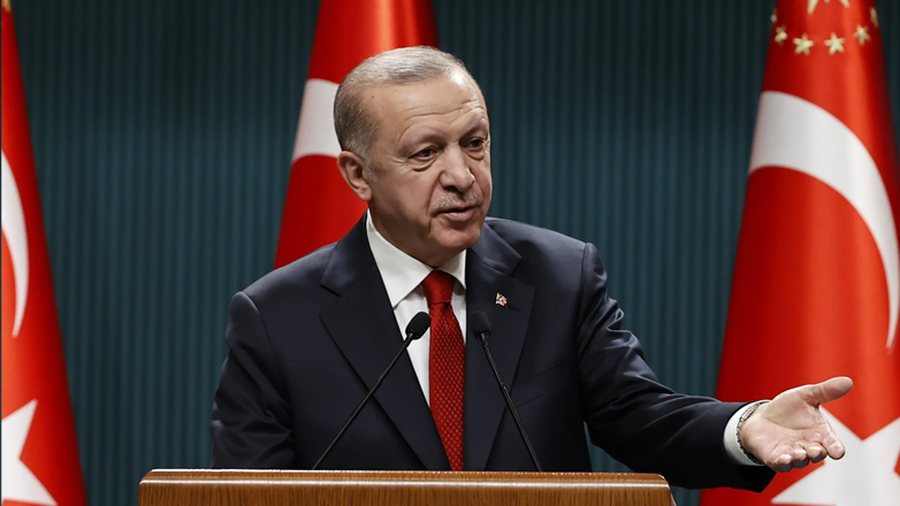
Turkish President Recep Tayyip Erdogan's re-election in 2023 has given him the opportunity to continue plans to make Turkey a leader in the region and the Islamic world, as well as a commitment to rapprochement with its historical enemies. As VOA's correspondent in Istanbul, Dorian Jones, reports, critics accuse President Erdogan of using his mandate to silence political opponents within the country.
Recep Tayyip Erdogan's victory in May's presidential election gave the Turkish leader the opportunity for a fresh start in relations with Middle Eastern leaders, abandoning the politics of rivalry in an effort to regain leadership in the region, say some analysts.
"Turkey has made efforts to change its foreign and regional policy. President Erdogan and the Turkish foreign ministry have created the conditions for talks with the United Arab Emirates, Saudi Arabia, Israel and Egypt," says Mustafa Aydin from the Turkish Council on International Relations.
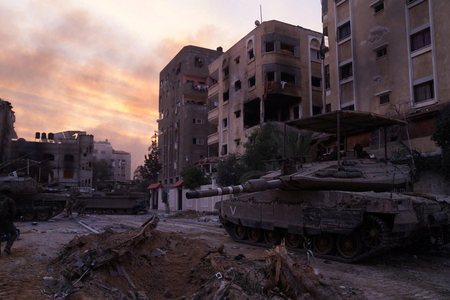
The outbreak of war between Hamas and Israel showed President Erdogan's strong support for Hamas, a move widely seen as an attempt to appease his religious base and attract support from Arab countries. This is a distancing from previous attempts at a rapprochement with Israel. But Mr Erdogan's hopes of taking a leading role in the region took a hit from Qatar and Egypt's leading role as mediators in the Israel-Hamas conflict.
"The crisis in the Gaza Strip showed Turkey's diplomatic weaknesses. In diplomacy, the less you are in the center of attention, the less people and countries are interested in you", says Ilhan Uzgel, international relations analyst.
Even Washington has largely bypassed Ankara in mediation efforts in this conflict, focusing more on the Gulf countries. Relations with NATO allies are strained due to Turkey's delay in approving Sweden's request for membership in the military alliance.
However, President Erdogan has been successful in his efforts to improve relations with Turkey's historical rival, Greece. In December, the leaders of the two countries held a meeting, in which they pledged to improve relations between them. Analysts say this will help Turkey-EU relations. But European Union concerns over Turkey's human rights record are likely to persist as critics accuse Mr Erdogan of using the new mandate to crack down on opponents and civil society organisations, which the Turkish president has accused of threatening. to his power.
"There has been a great limitation of civil society and there is no room for further limitation of it. So, we are limited to a small field of action in terms of activist activity and civil society organizations", says Sinan Gokcen from the Civil Rights Defenders organization.
Mr Erdogan has now targeted Turkey's constitutional court, accusing it of undermining his electoral mandate, a move that threatens to deepen Ankara's animosity with its Western allies. But given Turkey's strategic importance in a troubled region, analysts say the two sides will work together as Mr. Erdogan is in power for at least a few more years.


Lini një Përgjigje