


 Shkruar nga Pamfleti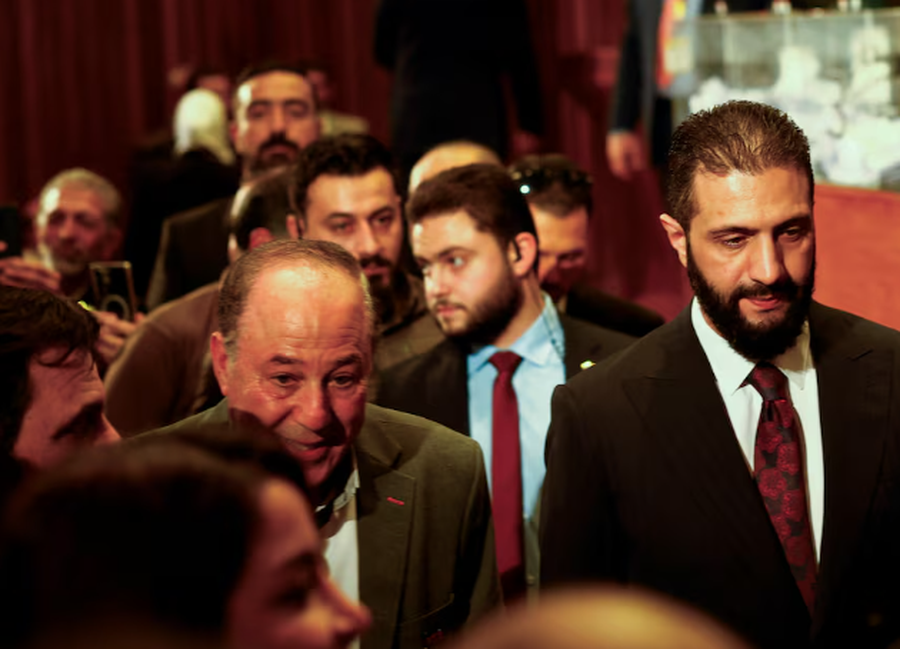
Members of Syria's electoral colleges will gather on Sunday to vote for new lawmakers, a historic moment in the country's departure from the ousted regime of Bashar al-Assad and a major test of inclusiveness under its current Islamist-led authorities.
President Ahmed al-Sharaa, who came to power after his rebel offensive toppled Assad in December, is trying to consolidate his control over a nation torn apart by a 14-year war and outbreaks of sectarian violence that fueled distrust of him among minorities.
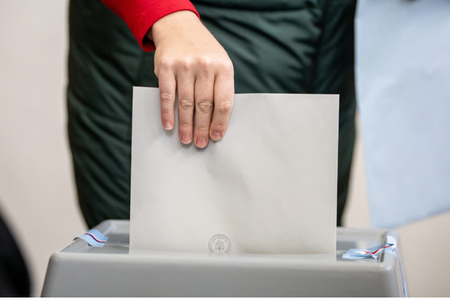
The indirect vote will involve a total of 6,000 voters casting their ballots in regional electoral colleges starting around 9:00 a.m. local time (06:00 GMT), with polling stations closing around 5:00 p.m. (14:00 GMT).
A commission appointed by Sharaa approved 1,570 candidates who presented their platforms in seminars and debates this week. But public campaigning was muted, with no posters or billboards visible in major cities, Reuters reporters said.
Sunday's vote will determine two-thirds of the 210-seat parliament, and results are expected later that night. But the legislature will not be formally established until Sharaa, a former al-Qaeda fighter, chooses the remaining one-third.
Authorities say they resorted to this system instead of universal suffrage due to a lack of reliable population data and after the displacement of millions of Syrians by the war.
Citing security and political reasons, they postponed voting in three provinces held by minority groups, leaving 19 seats in parliament empty.
Critics have slammed these moves, saying that a partial, indirect vote is not representative and is too centrally managed.
Analysts say Sharaa's selection of 70 lawmakers will ultimately determine the effectiveness and legitimacy of the new body: choosing women or minority lawmakers could add diversity, but loyalists could help it pass laws without a legislative challenge.



Lini një Përgjigje