


 Shkruar nga Emily Schultheis, Holly Otterbein & Robbie Gramer
Votes in Canada, Australia and Albania exposed the limits of Trumpism, while the president's policies sow uncertainty across the globe...
When key figures in President Donald Trump's orbit descended on a small town in southeastern Poland this week to rally support for the right-wing candidate in that country's presidential election on Sunday, they put MAGA's ambitions abroad on full display.
Homeland Security Secretary Kristi Noem called Karol Nawrocki "as strong a leader" as Trump, saying "he should do this to become the next president of Poland." Matt Schlapp, chairman of the pro-Trump Conservative Political Action Conference, which organized the rally, said that electing candidates like Nawrocki is "so important for the freedom of people everywhere," while John Eastman, who helped Trump's efforts to overturn the 2020 election, said that Poland under Nawrocki would play "a critical role in defeating the threat to Western civilization."
But if the conservative debate ahead of the vote in Poland was an indication of how hard Trump allies have worked to expand the MAGA brand across the globe, the results of recent elections, including those in Romania, Poland and Canada, suggest that Trump's influence may not have had an impact in some cases.
Trump’s re-election in November has emboldened far-right movements abroad. It has given Trump allies hope to install like-minded leaders in positions of power, to boost parties that share his priorities, and to spread his populist and far-right policies beyond the U.S. Meanwhile, conservative politicians in other countries have directly or stylistically aligned themselves with his brand.
Far-right parties have performed strongly in European elections in recent months, including in Poland, Romania and Portugal, exceeding expectations and increasing their share of the vote, with the electorate shifting to the right on issues such as immigration. The far right in Europe, by most accounts, is growing. But they are not entering government as some Trump allies had predicted.
“I wouldn’t say the right has gone up, I would say it’s a mixed bag,” said Kurt Volker, who served as Trump’s envoy to Ukraine during his first administration and ambassador to NATO under George W. Bush.
In Romania, far-right presidential candidate George Simion, who spoke at this year’s CPAC in Washington and appeared on Trump ally Steve Bannon’s podcast just days before the country’s election this month, lost to a centrist challenger after dominating the first round of voting. In Albania, conservatives engaged former Trump campaign manager Chris LaCivita but saw their candidate for prime minister defeated.
Trump allies have been working since his first term to expand MAGA’s influence abroad. Bannon, who had managed Trump’s 2016 campaign, began traveling around Europe presenting himself as the mastermind behind a new global far-right alliance called “The Movement.” He even announced that he would set up an academy to train future right-wing political leaders in a former monastery outside Rome.
These efforts largely failed at the time: Bannon's planned academy became embroiled in legal battles that lasted several years, and support for far-right parties across the continent waned in the early months of the coronavirus pandemic.
When Vice President JD Vance chided European leaders for fearing their voters at the Munich Security Conference, he cast the Trump administration as an alternative model — the vanguard of a far-right movement not just in the United States but across the West.
"Make Europe great again! MEGA, MEGA, MEGA," Elon Musk, Donald Trump's billionaire ally, posted on X earlier this year.
Since the appearance of the US vice president in Germany, hard-line conservatives have had some success. In Portugal, the far-right Chega party has surged. And Reform UK, the party led by pro-Brexit leader Nigel Farage, scored big victories in the country’s local elections earlier this month.
CPAC, which has held international conferences since 2017 — including ones in Japan, Australia, Brazil and Argentina — gathered supporters in Hungary after meeting in Poland this week.
Schlapp did not respond to a request for comment. But he told NPR that “the one thing that is undeniable is that everyone wants to know where Donald Trump stands on issues that matter to their country,” adding, “they really support Donald Trump’s success.”
But even abroad, MAGA-style politics have not only failed to spread, but have also been a hindrance.
In both Canada and Australia, Trump's belligerent and unpredictable trade policy led to an anti-Trump wave that helped topple right-wing candidates who sought to emulate his rhetoric.
Pierre Poilievre i Kanadasë kandidoi me sloganin "Kanadaja e Para" dhe Peter Dutton i Australisë propozoi shkurtime në stilin DOGE për qeverinë. Por tarifat e Trump ishin thellësisht të papëlqyeshme për votuesit në të dy vendet, dhe edhe pse Poilievre dhe Dutton u distancuan nga Trump në ditët e fundit të fushatës, votuesit i ndëshkuan ata gjithsesi.
Fjalimi i Vance në shkurt "la përshtypjen se kjo po bëhet një aleancë transatlantike e krahut të djathtë", tha Liana Fix, një bashkëpunëtore për Evropën në Këshillin për Marrëdhëniet me Jashtë në Uashington. "Që atëherë, realiteti nuk është aq drastik sa ato skenarët më të këqij. Dhe kjo nuk është sepse ata nuk po përpiqen. E shihni se si po përpiqet Shtëpia e Bardhë", tha Fix.
Aleatët e Trumpit u përqendruan plotësisht në zgjedhjet e 18 majit në Rumani, të cilat ishin përsëritja e një votimi të nëntorit të anuluar për shkak të shqetësimeve se një fushatë ndikimi rus në TikTok kishte ndikuar në rezultat. Besnikët e MAGA-s kaluan muaj duke e lavdëruar Simion-in, kandidatin e së djathtës ekstreme i cili premtoi “Ta bëjmë Rumaninë përsëri të madhe”.
Më pak se dy javë para Ditës së Zgjedhjeve, Simion priti Schlapp-in e CPAC-ut në një tryezë të rrumbullakët biznesi në Bukuresht, dhe dy ditë para se votuesit rumunë të hidhnin votën e tyre, Bannon priti Simion-in në podkastin e tij “Ëar Room”.
“George, e ke bërë të gjithë lëvizjen MAGA këtu në Shtetet e Bashkuara që po të mbështet”, tha Bannon , duke parashikuar fitoren e kandidatit të afërt me Trump.
Por kur u numëruan votat, rezultati nuk ishte ai që pritej.
Simion humbi zgjedhjet me 7 pikë diferencë ndaj kryetarit të bashkisë së Bukureshtit, Nicuşor Dan, një kandidat i qendrës i cili premtoi lidhje më të ngushta me Bashkimin Evropian dhe NATO-n.
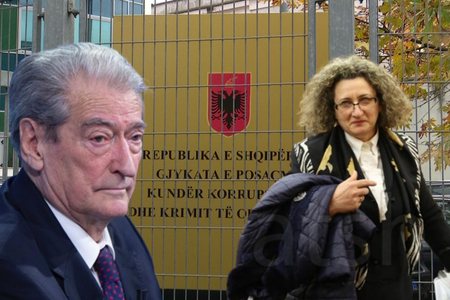
Në zgjedhjet parlamentare të 11 majit në Shqipëri, ku kandidati konservator, Sali Berisha, angazhoi LaCivitën për të ndihmuar partinë e tij të rikthehej në pushtet, mbështetësit e kreut të PD-së e cilësuan përfshirjen e LaCivitës si provë se Berisha mbështetet nga lëvizja MAGA.
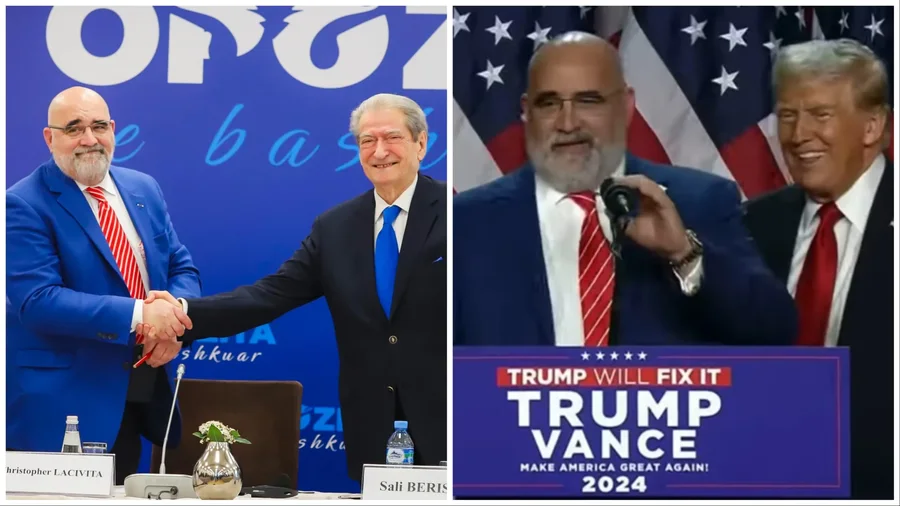
Por në ditën e zgjedhjeve, partia e Berishës humbi keq, duke i dhënë Kryeministrit në detyrë Edi Rama dhe Partisë së tij Socialiste një mandat tjetër në detyrë.
Rama nuk humbi kohë dhe reagoi duke deklaruar: Të punësosh strategun e fushatës së Trump dhe të mendosh se mund të bëhesh Trump “është si të punësosh një parukier në Hollyëood dhe të mendosh se do të bëhesh Brad Pitt”, i tha ai Politico-s pas votimit.
LaCivita i tha Politico-s se lidhja midis MAGA-s në SHBA dhe lëvizjeve konservatore jashtë vendit buron nga një shqetësim i përbashkët në lidhje me një "përputhje çështjesh - qeveritë që përdorin sistemet e tyre gjyqësore për të ndjekur penalisht kundërshtarët politikë, kostoja në rritje e jetesës, mundësitë e reduktuara dhe liritë individuale".
“This unity was shattered with President Trump’s victory in 2024, and while this success may not always be repeated around the world - once again America is being seen as a leader in securing freedom,” he said in a message, adding “not through the barrel of a gun - but politics.”
Trump spokeswoman Anna Kelly said in a statement that "Trump's message of restoring common sense, stopping illegal immigration, and establishing peace resonates not only with Americans but with people around the world, which is why conservatives have won elections in every corner of the globe. He is also restoring America's strength on the world stage, as evidenced by the 15 foreign leaders who have visited the White House this term."
Meanwhile, Trump allies have largely dismissed the losses abroad, with explanations ranging from blaming the "deep state" to arguing that the politicians who lost were not Trumpian enough to win.
“The populist, nationalist, and sovereignist MAGA right continues to grow despite the full force of the deep state being thrown against it,” Bannon told Politico, in response to the recent election wave.
“These people are not Donald Trump. They are copycats,” Simion and Nawrocki, a former adviser to Farage and former editor of Breitbart London, told the paper, noting that their parties are both part of a European-level faction that is rooted more in traditional conservatism than in the MAGA-style populism of far-right parties in Germany, Austria, France and elsewhere.
"They are cheap copies that have been used 40 times on a photocopy machine," he added. /Adapted from Politico Pamphlet/





Lini një Përgjigje