


 Shkruar nga Daniel Serwer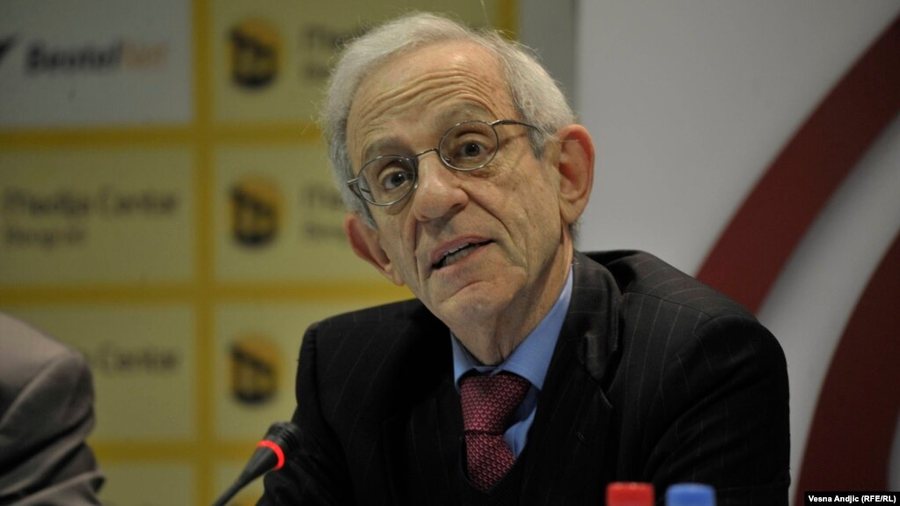
In addition to pressure on Kosovo, the US and the EU should remind Serbia of its obligations under the 2013 agreement.
The inevitable question today for those thinking about the Balkans is what to do with the Association/Community of Municipalities with a Serbian majority. Belgrade wants it to be formed by statute within Kosovo. Americans and Europeans are insisting on it. Kosovo authorities are opposing it. What should be done?
The original agreement
Prishtina agreed with the Association in 2013, in what was called the "First Agreement on Principles Guiding the Normalization of Relations". This unsigned agreement provided for the Association to have "a complete overview of the fields of economic development, education, health, urban and rural planning". Central authorities may also delegate additional powers. Another agreement was concluded in 1915, but the Constitutional Court of Kosovo annulled most of that agreement.
The 2013 agreement includes a quid pro quo for Kosovo. It foresees the integration of Serbs in the Kosovo Police and judicial institutions, as well as the application of the Kosovo legal framework in all Serbian municipalities. It also provided "that neither party will block, or encourage the other to block, the other's progress on their respective path to the EU".
This was a bilateral agreement, not a unilateral concession. Vuk Draskovic, Serbia's former foreign minister, reminded me of this during a visit to Washington last year.
Her failure
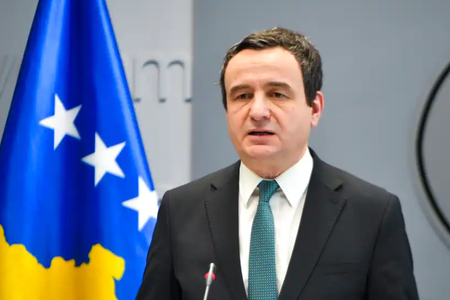
Neither Belgrade nor Pristina have fulfilled their part of the bargain. Albin Kurti, now Prime Minister of Kosovo, opposed the formation of the Association while he was in the opposition. In power, he has continued to resist its implementation. Serbian President Vucic, who served as deputy prime minister at the time of the initial agreement, has continued to insist on it.
Moreover, the talk in Belgrade about the creation of a "Serbian world" that includes the Serbian population of neighboring countries has raised doubts. People in Kosovo are worried that Serbia is trying to create with the Association a separate, autonomous area outside the authority of Pristina. These doubts gained credence when a Belgrade-backed proposal for the Association did just that. A similar Serbian association in Bosnia led to war in the 1990s.
Meanwhile, Belgrade has failed to fulfill its part of the agreement. It has never given up its efforts to block Kosovo's progress towards the EU. This includes its recent efforts to block Kosovo's membership in the Council of Europe. Serbs have withdrawn from Kosovo's institutions in the four northern municipalities. Serbia also sponsored a boycott of elections there, kidnapped three Kosovo policemen from Kosovo territory, staged a riot that injured NATO peacekeepers and plotted a terrorist attack last September intended to provide a justification for a Serbian military incursion. Each of these efforts was a challenge to the legal framework that Belgrade had agreed would apply throughout Kosovo.
Diplomatic negligence
There is nothing new about the failed agreements between Kosovo and Serbia. Many of the more technical pre-2013 agreements achieved only partial or delayed implementation. But for reasons that only the diplomats involved can explain, in this case the Americans and Europeans promised Belgrade the implementation of the Association without any conditions for Kosovo.
In a letter, the Americans promised that the Association would not be allowed to become a new level of government. But they have not been willing to commit to this in an official government agreement. The Europeans have brought "consequences" (ie sanctions) to Kosovo for the failure to establish the Association. They have also delayed at the last minute the review of Kosovo's request for membership in the Council of Europe. The Europeans imposed this new condition even though Kosovo had fulfilled a long-standing request to recognize the property rights of a Serbian monastery.
This is diplomatic abuse. I think that intense pressure will make Kosovo get a proposed statute for the Association. But it makes no sense to condition the admission to the Council of Europe on its implementation. Membership in that otherwise obscure institution would give Kosovo Serbs access to the European Court of Human Rights. This provides a serious forum for the resolution of ethnic minority grievances. Serbia, the US and the EU should welcome Kosovo's interest in joining it.
Give to get
In addition to pressure on Kosovo, the US and the EU should remind Serbia of its obligations under the 2013 agreement. Serbs must re-enter Kosovo's institutions and participate in elections. Belgrade must end its campaign against Kosovo's membership in European institutions. Serbia should hand over its rioters and terrorists in Kosovo for trial, as evidence that Belgrade accepts Kosovo's legal framework. I have no doubt that Prishtina would look at the Association differently if Belgrade would fulfill all these conditions. Serbia must give to receive. This is required by the 2013 agreement for the Association./ Adapted "Pamphlet" from "Peacefare"


Lini një Përgjigje