


 Shkruar nga Pamfleti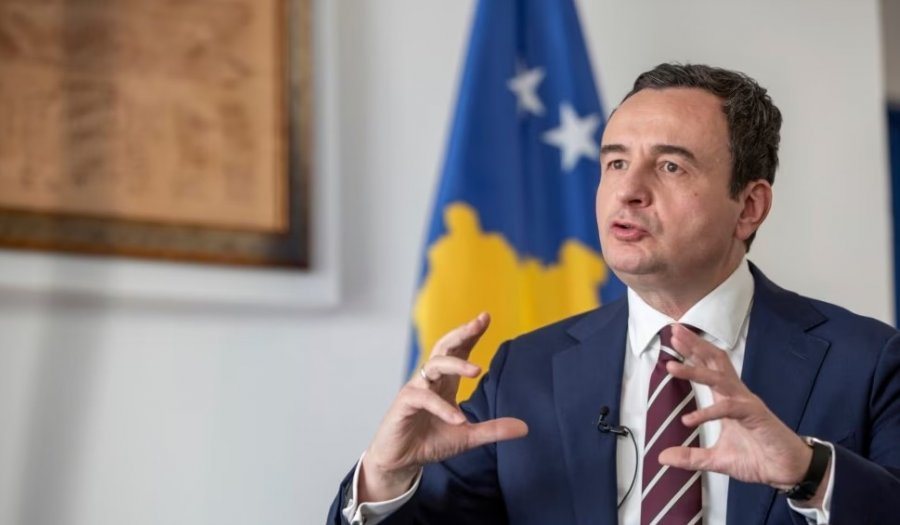
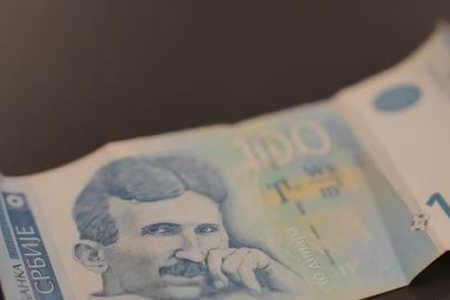
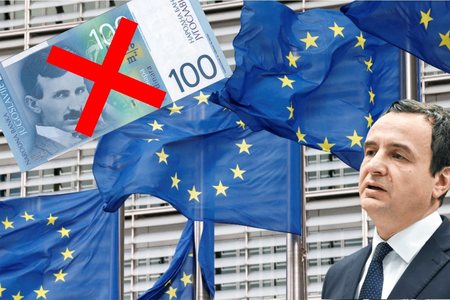
Kosovo is adopting a new regulation that is erasing the dinar of the Serbian minority from the country's economy. Political tensions are on the rise and Kosovo seems to be risking a new wave of ethnic tensions with the decision to remove the Serbian dinar from its monetary system.
A new regulation, which comes into effect today, February 1, states: "The only currency accepted for payments or cash transactions in Kosovo is the euro," reports AFP. Kosovo adopted the euro in 2002, despite being neither a member of the European Union nor of the eurozone, the area that shares the euro currency. Banning transactions in dinars could effectively exclude the local minority of Serbs, who use the currency widely, from the financial system in Kosovo. This could lead to another crisis with Serbia.
After the war between the two territories that ended in 1999, Kosovo declared independence from Serbia in 2008. However, the latter has never officially recognized it. The two sides are regularly locked in bitter disputes, even over minor issues like license plates.
Although Kosovo has adopted the euro, it has tolerated the use of the Serbian dinar over the years because of the approximately 120,000 Serbs living there. They receive their salaries and pensions in dinars. Belgrade supports the Serbian community in Kosovo, with jobs and financial aid worth 120 million euros every year. The new ban leaves Kosovo Serbs with a great deal of uncertainty. As a result, some banks in northern Kosovo began to close on Tuesday because they could no longer operate without a new license or authorization from the central bank.
Serbia has chosen this moment to consider the return of compulsory military service. However, President Aleksandar Vucic, in making the announcement on Tuesday, cited tensions in the Balkans and elsewhere in Europe as a reason to consider it, rather than a possible currency crisis. Meanwhile, Kosovo's biggest political and financial allies are urging the country to suspend the ban amid fears of an increase in political and diplomatic tensions. The ambassadors called for a longer transition period and asked for the public to be given a clear direction on what would happen.
Authorities in Kosovo said the new regulation was introduced to fight corruption and money laundering. First Deputy Prime Minister Besnik Bislimi said the new ban would stop the flow of unregulated money from Serbia. AFP quoted him as saying: "Money continues to cross borders in travel bags and then be distributed by unregistered and unlicensed offices." The Serbian government sees Kosovo's move as provocative, and analysts say it will almost certainly undermine ongoing efforts to defuse tensions between Belgrade and Kosovo.



Lini një Përgjigje