


 Shkruar nga Pamfleti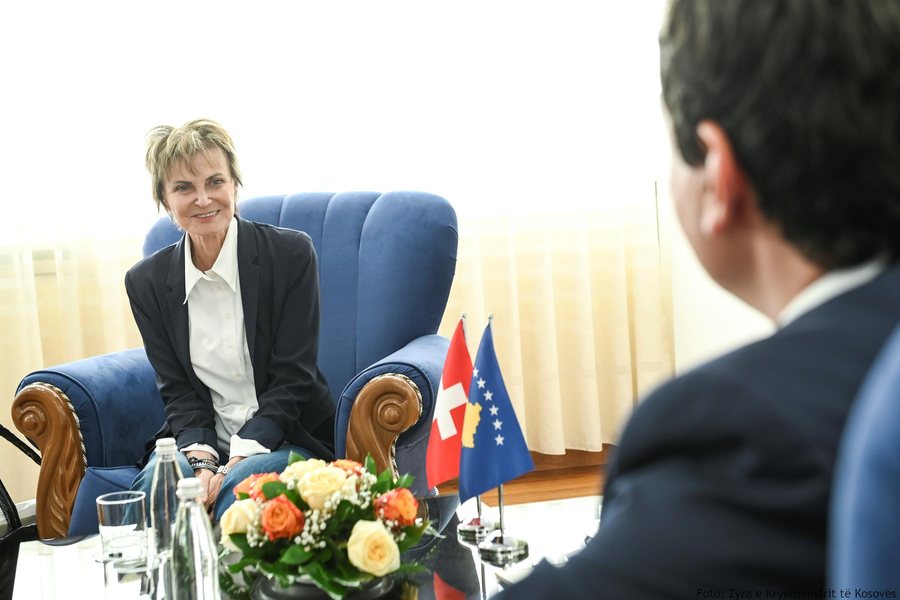
The former Swiss Foreign Minister, Micheline Calmy-Rey, who also served as the former president of the Swiss Confederation, in an interview for swissinfo.ch, recalled the period when Kosovo's independence was declared.
According to her, EU mediators are implementing a pro-Serbian policy.
'The EU mediators follow a policy that, to a certain extent, protects Serbia. Albin Kurti is asked to give more autonomy to Serbian municipalities,' she says.
She points out that 'the war in Ukraine changed the game. The countries of the Western Balkans have become more strategically important.'
INTERVIEW:
Swissinfo.ch: When was the last time you visited Kosovo, of which you are an honorary citizen?
Micheline Calmy-Rey: At the end of last November. I went there for a foundation I run. We were looking for suitable land to set up a nursing home. Behind this project is a successful French-speaking entrepreneur, himself part of the diaspora, who is financing this future nursing home. This shows one thing: in Switzerland, Kosovars are well integrated, it is a success.
In Switzerland, the Kosovar diaspora is very large. According to the Federal Statistics Office, about 300,000 people say they speak Albanian as their first language at home. Is this a retirement home for Swiss people from Kosovo who want to retire there?
This is a house intended for the Kosovar population. Not for people returning from Switzerland. This project aims to spread the concept of nursing homes in the country. Kosovo is a poor country that does not have this type of institution everywhere. This house is intended for Kosovo Serbs and Albanians. The population of this region is mixed. We have identified the land and the entrepreneur now needs to arrange the financing. In this visit I was also received by the president Vjosa Osmani, the prime minister and other members of the government.
It seems you have many connections in Kosovo. Do you go there often?
Not very often, no. Before that, I met Prime Minister Albin Kurti in Zurich. He was there to sign a Memorandum of Understanding with my party, the Socialist Party. During my visit last year, I spoke with the Kosovo government about the country's main challenges. First of all, it is about the recognition of Kosovo by a larger number of countries. Currently there are about a hundred.
What do you think about the head of the government Albin Kurti? His Vetëvendosje movement is presented as a counterpoint to the political parties that have so far dominated Kosovo.
I worked well with all the interlocutors from Kosovo, be it Albin Kurti, Hashim Thaçi or others.
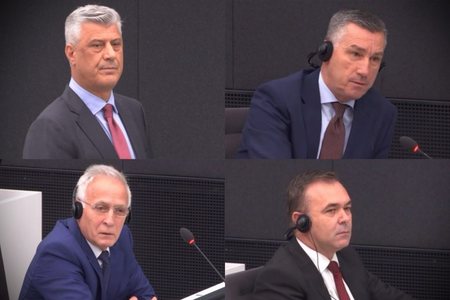
Former head of government Hashim Thaçi is being tried in The Hague for possible crimes against human rights. What was your experience as foreign minister with him?
I do not allow myself to judge my political interlocutors. He was the prime minister of Kosovo. He knew Switzerland very well, his Swiss German is also very good. The political figure that impressed me the most in Kosovo was the pacifist president Ibrahim Rugova, the father of Independence. Under the auspices of the United Nations, in the 2000s, I had great pleasure working with the Kosovar interlocutors.
Today, with the new geopolitical context, where are the challenges of Kosovo?
I would say that the war in Ukraine changed the game. The countries of the Western Balkans have become more strategically important. And these countries are new states, their relationship with Russia is asymmetrical and not always simple. In this context, Kosovo needs the recognition of other countries to access international organizations. It wants to be a member of the European Union and NATO, the defense alliance.
The Swiss government has already declared in favor of the formal independence of Kosovo in 2005.
Yes, we started very early, a few years after the war, to deal with the issue of the status of Kosovo. Switzerland was the first country to consider independence. The situation seemed complicated. The international position was that Kosovo must first meet international standards for human rights and governance. It seemed difficult for the Kosovar side; then there was neither government nor state. On behalf of Switzerland, we have spoken in favor of a new approach: first let's clarify the status of the country and when a Kosovar government starts its work, we will be able to judge it in terms of its responsibility. for human rights. This was Switzerland's statement to the UN Security Council. It was then that the discussions about Kosovo's independence began within the framework of the United Nations. Therefore, Switzerland played an important role. She also had an interest in Kosovo being independent.
For what?
Because of the large Kosovar community in the country. After Germany, it is in Switzerland that the largest part of the Kosovar diaspora lives - this naturally makes it, relative to the population, a much larger community in Switzerland than in Germany. It was in our interest to ease tensions in the Western Balkans.
In the winter of 2008, were you still surprised by the declaration of independence?
On February 17, I was invited to the Albanian Catholic mission in Wil. I was supposed to speak there during the ceremony. I took the train to Bern and it was not news at the time. But at the Wheel station, the priest came to meet me in tears.
“Zonjë, është një mrekulli që ne jemi në gjendje të jetojmë,” më tha ai. Pavarësia e Kosovës sapo ishte shpallur. Ai ishte i pushtuar nga emocionet. Të gjithë kosovarët nga Ëil ishin të pranishëm – dhe shumë të lumtur. Më pas, ishte e vështirë të bindja Këshillin Federal se nuk e kisha organizuar vizitën time në misionin shqiptar bazuar në këtë deklaratë të pavarësisë. Por si mund ta kisha parashikuar këtë moment në histori?
Nga shpallja e pavarësisë së Kosovës dhe njohja e saj nga Zvicra, kaluan dhjetë ditë. Cilat ishin diskutimet politike midis 17 shkurtit dhe njohjes zyrtare nga Berna?
Kërkohej marrëveshja e Komisionit të Politikës së Jashtme dhe, natyrisht, e Këshillit Federal. Përfundimisht, ne njohëm pavarësinë e Kosovës në të njëjtën kohë me Bashkimin Evropian. Meqenëse jo të gjitha vendet e OKB-së ishin të përgatitura për ta bërë këtë, Kosova u detyrua të shpallte njëanshme pavarësinë.
Shumë mendojnë ndryshe, por Zvicra nuk ishte vendi i parë që njohu pavarësinë. Nga ana tjetër, ne ishim vendi i parë që donim ta diskutonim. Më pas, me diplomacinë zvicerane, ne ndihmuam për të bërë të mundur. Unë vërej se ekziston një lidhje e fortë mes Kosovës dhe Zvicrës. Disa flasin për atë si kantonin e 27- të zviceran.
Nëse do të ishte vërtet kështu, Zvicrës do t’i duhej të bënte shumë më tepër në nivel diplomatik, por ndoshta edhe për të rinjtë kosovarë në aspektin e bursave dhe shkëmbimeve të trajnimeve. A e mban Zvicra ende këtë marrëdhënie sot?
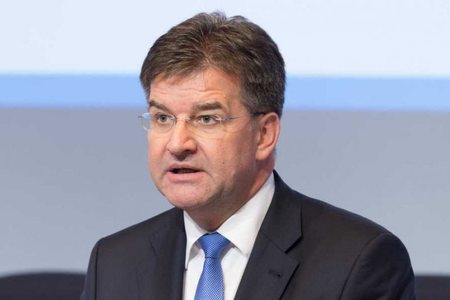
Në Kosovë, sidomos në verë, kudo shihni targa zvicerane – dhe diaspora kosovare bën shumë për vendin. Por nuk mund të flas për qeverinë aktuale zvicerane. E di që jemi të pranishëm në Kosovë me ndihma – nuk e di as përmasat e as zonat. Por mendoj se Kosova është në rrugën e duhur. Pengesa kryesore e saj janë tensionet me Serbinë. Po të isha kryeministër i Kosovës sot, do të kisha shumë vështirësi për ta qeverisur këtë vend. Në veri të Kosovës, ku popullsia është kryesisht serbe, ekziston një sistem social paralel. Tekstet e tyre shkollore sigurohen nga Serbia. Disa komuna refuzojnë autoritetin e Prishtinës. Është e vështirë të qeverisësh këtë vend. Bashkimi Evropian ndërmjetëson mes Serbisë dhe Kosovës, por zyrtarët e tij – përfaqësuesi special i BE-së Miroslav Lajčák dhe shefi i politikës së jashtme Josep Borrell për shembull – vijnë nga vende që nuk e njohin pavarësinë e Kosovës.
Miroslav Lajčák është sllovak dhe Josep Borrell është spanjoll. Pesë vende të BE-së nuk e njohin pavarësinë e Kosovës. Përveç Sllovakisë dhe Spanjës, këto përfshijnë Rumaninë, Greqinë dhe Republikën e Qipros. Spanja, për shembull, ka frikë nga nxitja e aspiratave për pavarësi në vend. Greqia refuzon për arsye historike…
Ndërmjetësuesit e BE-së ndjekin një politikë që, në një masë të caktuar, mbron Serbinë. Nga Albin Kurti kërkohet që t’u jepet më shumë autonomi komunave serbe.
But the quid pro quo should be for Serbia to recognize Kosovo. However, the Serbian president says he will never do it. This is where the problem of Kosovo lies.
For you, should Switzerland be positioned between Serbia and Kosovo regardless of the EU?
No, Switzerland should not seek to take the place of the EU. But a dialogue can begin with the government of Kosovo about governance models that accept diversity.
In Kosovo there is a fear of becoming a second Bosnia-Herzegovina. Switzerland can serve as a model in the search for an alternative. In Switzerland, we have a very special government that unites different linguistic and cultural minorities. Switzerland can serve as a reference point for a system that allows the coexistence of the Serbian and Albanian population in Kosovo.
As Foreign Minister, you advocated a proactive foreign policy. Is it fair to think that there isn't much left of your idea of active neutrality in current foreign policy?
Some diplomats who have already worked with me continue to work for the Federal Department of Foreign Affairs. But as I said, I cannot speak for the current government, nor for its policies. To make an impact on the international stage, a country like Switzerland cannot simply declare that it is available within the framework of its good offices. Good offices demand that we ourselves think about possible dialogues, analyze the situation – taking Switzerland's own interests into account as well. To make an impact, it's not enough to make yourself available.


Lini një Përgjigje