


 Shkruar nga Lisa Haseldine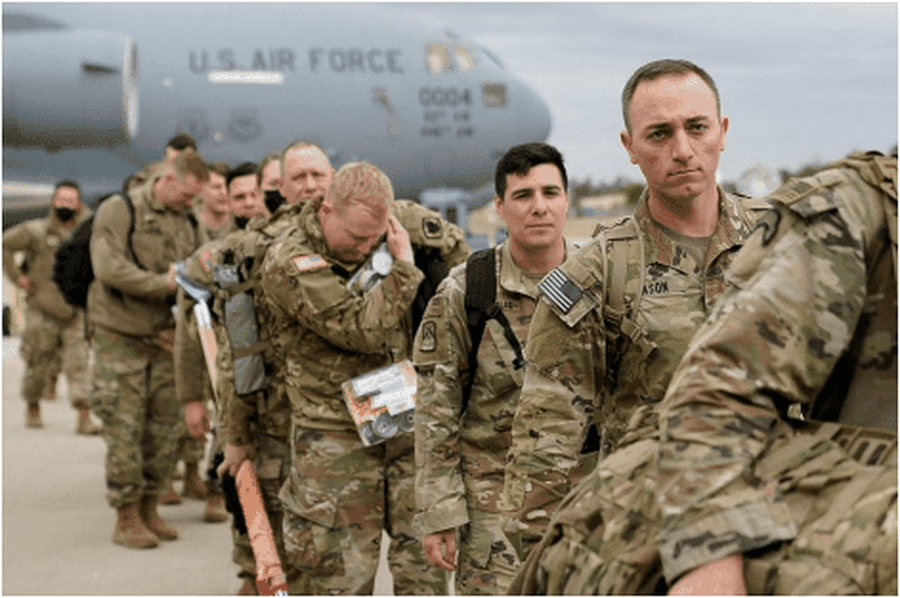
The deployment of European troops on the island is an attempt to counter Trump's plans. However, the dilemma remains: is this a sufficient means to stop American ambition?
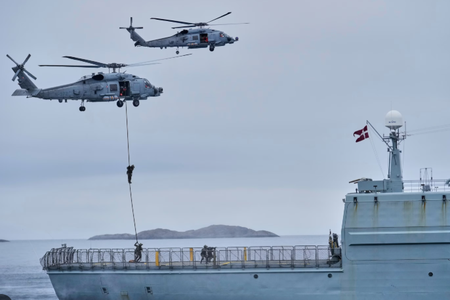
When Donald Trump sets his sights on something, it's hard to stop him from achieving what he wants. However, that hasn't stopped Greenland and Denmark from trying to do something. The Danish military announced that starting yesterday it is increasing its presence in Greenland.
It will be supported by a group of European troops, expected to arrive in the coming days, as part of an effort to show the United States that Copenhagen is capable of ensuring the island's defense.
Earlier, France confirmed that 15 troops had arrived on the island. They will be joined by 13 soldiers from Germany, two from Norway, one from Britain, one from the Netherlands and an as-yet-unknown number from Sweden and Estonia.
Of course, other units are expected to go as well. As part of “Operation Arctic Endurance,” these soldiers will conduct a “reconnaissance mission” to identify ways to strengthen Greenland’s security “in light of Russian and Chinese threats in the Arctic.”
But will this be enough to thwart Donald Trump's ambition to take control of Greenland? An act of aggression by one NATO member against another would destroy the alliance. This demonstration of European solidarity follows difficult talks held on Wednesday in Washington between Denmark, Greenland and the US.
Danish Foreign Minister Lars Rasmussen and his Greenlandic counterpart Vivian Motzfeldt quickly traveled across the Atlantic in the hope of convincing the US administration to abandon a violent takeover of the island.
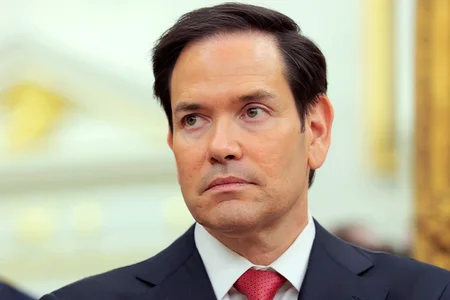
US Secretary of State Marco Rubio was scheduled to meet with them alone. But then Vice President JD Vans - a fierce critic of the European establishment - expressed his desire to attend and insisted that the meeting be held at the White House.
The news of Vans' involvement reportedly dashed any optimism the Danish and Greenlandic delegations had about a possible American withdrawal. Speaking to the media at the summit, Rasmussen said the meeting ended with "fundamental disagreements."
“We couldn’t change the American position. It’s clear that the president has this desire to occupy Greenland,” he added. Trump confirmed this a little later. On the Truth Social platform, he repeated the position he has consistently held on Greenland over the past year: “Denmark can’t do anything if Russia or China want to occupy Greenland, but we can do anything. You saw it last week with Venezuela.”
Last week, the US president refused to rule out the use of military force to take Greenland. Subsequent reports suggested that Rubio has been instructed to prepare proposals to purchase the island from Denmark, with an offer of up to $700 billion (more than half of the annual US defense budget). However, there is fear among Denmark and its allies that Trump might choose to annex Greenland by force. Such an act of aggression by one NATO member against another would destroy the alliance.
Earlier, the Russian embassy in Belgium - where NATO headquarters are located - stated that the NATO troop buildup in Greenland is a “serious concern.” Despite this, there are questions about whether Trump’s ambitions in Greenland are truly related to curbing the Russian and Chinese threat.
Thanks to a 1951 bilateral treaty, America now has the right to station as many troops as it wants in Greenland. So Europeans rightly wonder why the American president feels the need to take the territory under his direct control.
Some have suggested that Trump's interests are more related to the territory's mineral resources, or to expanding the sphere of American influence, than to strengthening defenses against Russia and China.
Many experts and diplomats with access to NATO intelligence reports have disputed Trump’s claims that “there are Russian and Chinese destroyers and Russian submarines” in Greenland waters. So there is a risk that Trump’s supposed justifications for taking the territory by force will further disperse already limited European defense resources at a critical moment for the continent’s security.
The only positive outcome of yesterday's summit in Washington is that the Danish, Greenlandic, and American delegations agreed to create a working group to discuss Trump's security concerns in more detail.
At best, the Danes hope this will buy them time while they strengthen Greenland's defenses on their own terms./ Adapted from "Pamphlet" by " The Spectator"





Lini një Përgjigje