


 Shkruar nga Pamfleti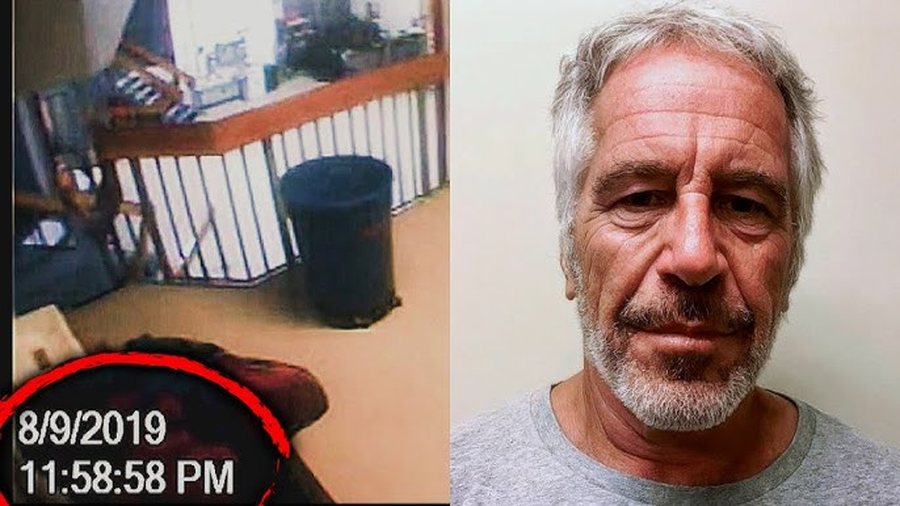
Manipulation of evidence, malfunctioning cameras, and official silence, what lies behind the death of the man who knew everything about the dark elite?
The death of financier Jeffrey Epstein, accused of sexual abuse and international trafficking of minors, on August 10, 2019 at the Metropolitan Correctional Center (MCC) federal prison in New York, continues to raise deep questions. A recent investigation by Wired magazine has shed light on irregularities in security videos released by the US Department of Justice (DOJ), reopening the debate on one of the darkest and most contested cases of the last decade.
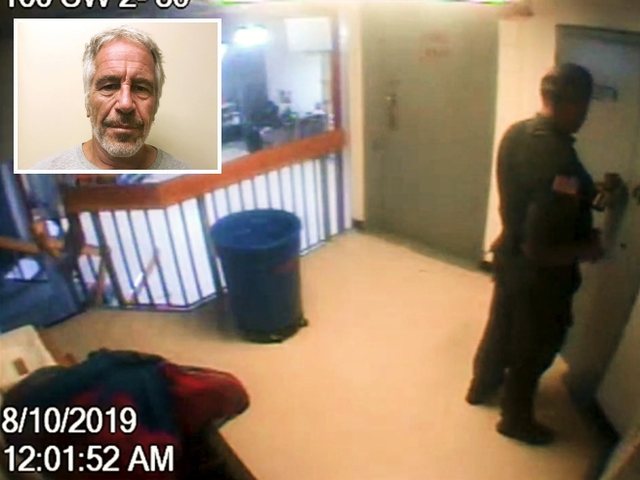
The department has released about 11 hours of what it describes as “raw” footage recorded by a security camera near Epstein’s cell the night before his death. The move was intended to debunk conspiracy theories that cast doubt on the official version of suicide. But Wired’s analysis, in collaboration with two independent experts, including Hany Farid (a professor at UC Berkeley and a specialist in digital media analysis), found that the video is not a direct export from the prison’s monitoring system.
The "modified" video and suspicious metadata
According to the analysis, the metadata shows that the video has been modified, most likely through the Adobe Premiere Pro program, and consists of at least two separate MP4 clips: “2025-05-22 21-12-48.mp4” and “2025-05-22 16-35-21.mp4”. The file was saved several times within 23 minutes on May 23, 2025 by a Windows account named “MJCOLE~1”. Farid emphasizes that these interventions seriously question the legal validity of the file: “If a lawyer were to bring me this file, I would say: ‘Go back to the source, do it properly.'”
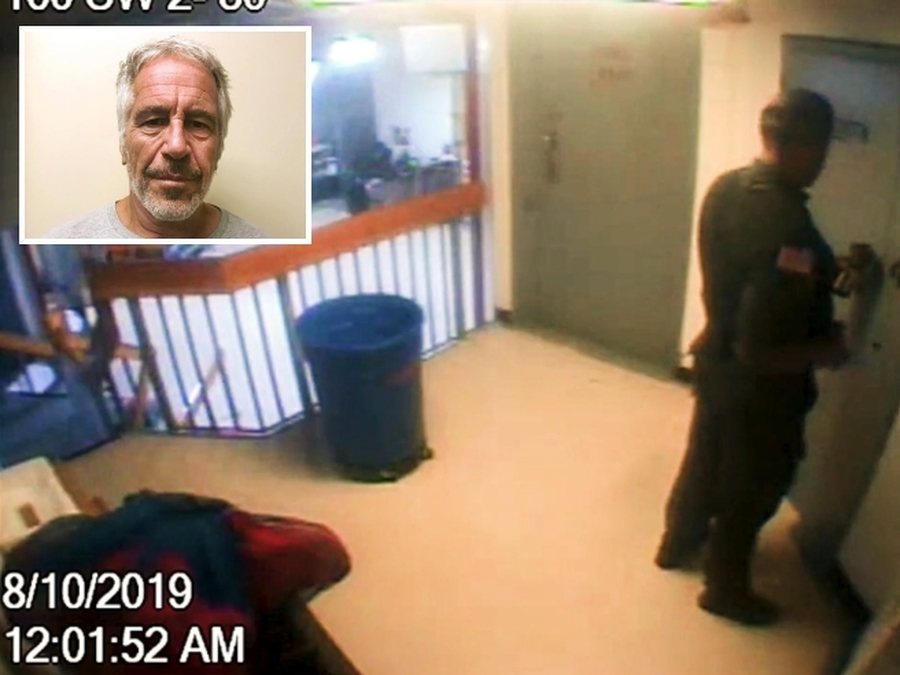
The video also contains a suspicious one-minute "gap" between 23:58:58 and 00:00:00 on August 9, 2019. It is unclear whether this is for technical reasons, such as conversion to MP4 format, but neither the DOJ nor the FBI have provided any official explanation.
What happened to Epstein?
Epstein was arrested on July 6, 2019, and was found dead on August 10, 2019, at around 6:30 a.m. The official report says he committed suicide by hanging himself with a sheet tied to his bed. But just three weeks earlier, on July 23, he was found unconscious with marks on his neck. He claimed he had been attacked by a cellmate, while prison authorities classified the incident as an attempted suicide. As the New York Times reported, despite this episode, he was placed on special suicide watch only until July 29, 12 days before he died.
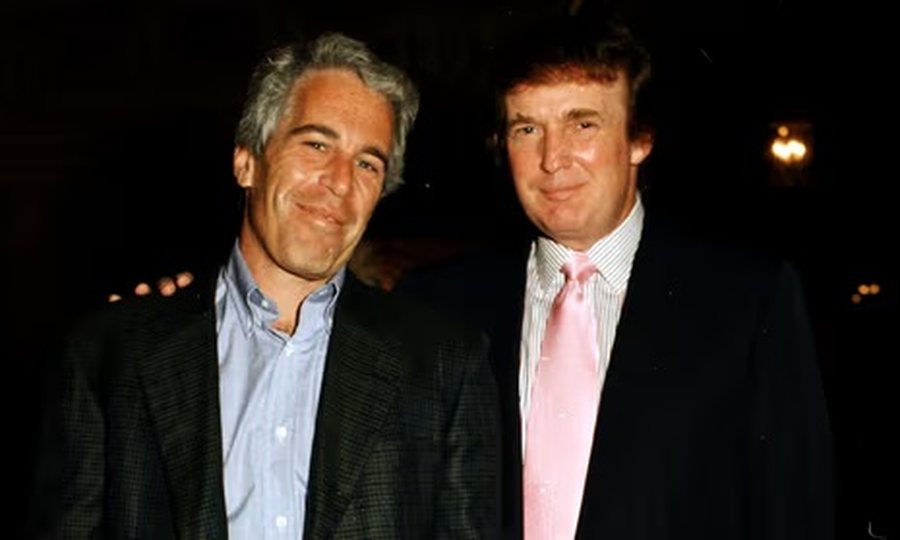
The autopsy, released on August 16, 2019, by New York City Coroner Barbara Sampson, ruled the death a suicide. But Epstein's lawyers disputed that conclusion and sought access to security footage. Attorney General William Barr called the case a "scandal of serious misconduct" and ordered investigations by the FBI and DOJ.
Autopsy disputed: was it really suicide?
Forensic pathologist Michael Baden, interviewed by Fox & Friends and the Miami Herald, stated that he found unusual fractures to the thyroid stalk and hyoid bone, injuries typical of strangulation, not hanging. He also criticized the fact that Epstein's body was removed from the scene quickly and the lack of photographs of the death scene.
Later, “60 Minutes” reported that other pathologists found bruises on his wrists, a laceration on his forearm and a muscle hemorrhage in his shoulder. The Daily Mail added that Epstein had expressed fear for his life, saying someone was trying to kill him, although a prison source described him as “in good spirits” and showing no signs of suicide.
The decision to remove special supervision, which former prison officer Cameron Lindsay called "shocking" to the BBC, still remains unexplained.
Security system failures and cameras that "saw nothing"
Another dark spot is the problems with the security cameras. According to the Washington Post, at least one camera near Epstein’s cell produced “unusable” footage. The BBC reported that some footage was “mistakenly deleted,” and the saved footage was from the wrong cell. A 2023 report by the DOJ’s Office of Inspector General found that about half of the MCC’s 150 cameras had been out of service as of July 29, 2019, and only two were operational on the night of his death, none of which directly recorded Epstein’s cell.
The DOJ said no one entered Epstein's cell area between 8 p.m. on August 9 and 6:30 a.m. on August 10. But the one-minute gap in the video and the manipulations uncovered by Wired add more doubts than answers, keeping alive the mystery of a death that still shocks and raises big questions today. / Adapted from "Pamphlet" by "Inside Over"








Lini një Përgjigje