


 Shkruar nga Katie Stallard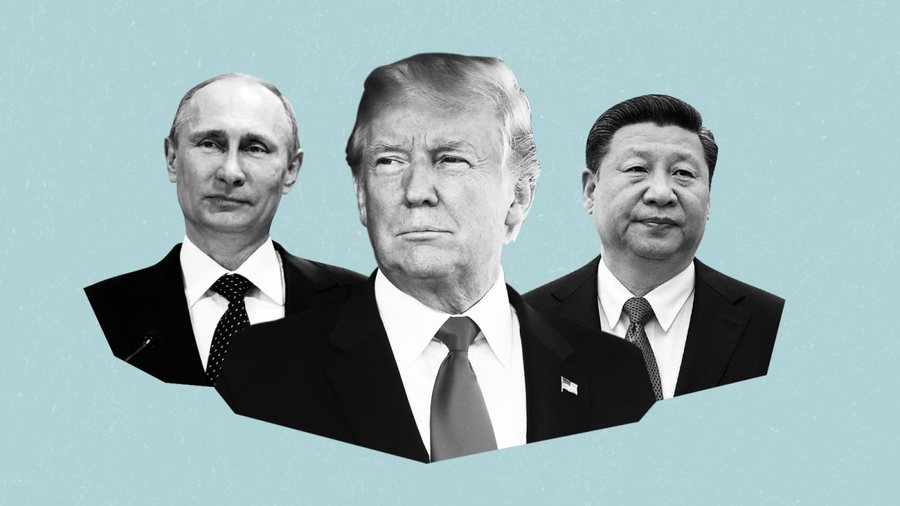
Putin is almost certain to retaliate, but he will weigh his decision carefully given Trump's imminent return to the White House. The Russian president does not want to drag the US back into a conflict that the new administration seems intent on distancing itself from and which he believes he is winning.
As outgoing US President Joe Biden was leaving Washington on November 17 to travel to Lima, Peru, and Rio de Janeiro, Brazil, in his latest round of international summits, he quietly allowed Ukraine to begin striking targets inside Russia with US long-range missiles.
To his critics, this belated decision was emblematic of his ambiguous approach to the war. In public, he has given very strong speeches and has pledged to stay with Ukraine "for as long as it takes". But in practice, he has only provided enough support to prevent the loss of Ukraine and no more.
However, Biden's supporters - and the president himself - argue that he is trying to balance the vital need to protect Ukraine as a sovereign state with the need to "avoid World War III", noting that Vladimir Putin possesses the most powerful arsenal. the world's largest nuclear arsenal, which he has often threatened to use if the West intervenes more forcefully on Kiev's behalf.
Now, with only a few weeks left in office, Biden is aiming to expose Putin's bluff. The fact that Biden has decided to allow Ukraine to use US long-range missiles to strike targets inside Russia after months of limiting their use stems from his assessment that the war has already entered a new phase. dangerous. US officials briefing reporters behind the scenes speak of the arrival of some 12,000 North Korean troops to fight alongside Russian soldiers as evidence that the conflict is escalating and drawing in more countries around the world. But this decision also has a tactical element.
Washington had previously stated that its military's tactical missile system (ATACMS) would be of minimal use given the risks, but also because Moscow has already moved its most valuable assets beyond the missile's 300-kilometer range. , organizing attacks from bases in central and northern Russia.
But with some 50,000 Russian and North Korean troops now massing in Russia's Kursk region, ahead of an expected counteroffensive to retake territory Ukraine has seized since August, the Biden administration believes ATACMS could be useful in targeting of troops and weapon systems.
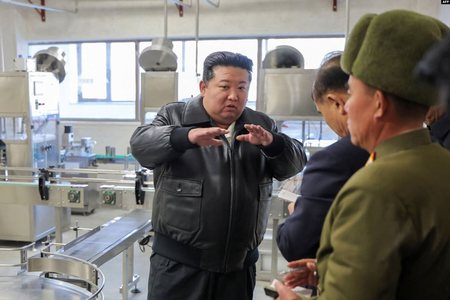
Through the move, the West sends a message to North Korean leader Kim Jong Un about the fate that awaits his forces if he sends another contingent of soldiers to support his new ally, Putin.
Although this scheme is based on the assumption that Kim, who commands one of the largest armies in the world with some 1.3 million men under arms, is likely to be concerned about the loss of life of his countrymen. Biden, on the other hand, is well aware that Donald Trump will return to power in January, determined to end the conflict, if not within 24 hours as he has promised, as soon as possible.
Should Ukraine be forced to sit down at the negotiating table with Russia at the behest of the new US president in the coming months, it should do so from a position of relative strength, not one of imminent defeat. Biden's decision paves the way for Britain and France to follow suit in lifting their restrictions on the use of long-range missiles such as the British Storm Shadow.
Zelensky, who has lobbied for this decision for most of this year, declared on November 17 that the first attacks with these missiles would begin very soon, vowing: "The missiles will speak for themselves!" Two days later, Ukraine fired several long-range missiles into Russia's Bryansk region, located about 250 km north of Kursk.
Now the main question is how Putin will respond. The Russian president has warned in recent months that if the US and its NATO allies allow their missiles to be used to strike his country's territory, it would mean they have "declared war on Russia." ".
On the eve of Keir Starmer's meeting with Biden at the White House in September, when the lifting of restrictions was expected to be discussed, the Russian leader made a very specific threat. "If this decision is taken, it means nothing other than the direct involvement of NATO countries in the war in Ukraine. And if it is so, then, taking into account the change in the essence of the conflict, we will take the appropriate decisions in response to the threats that will be presented to us" - he warned from St. Petersburg on September 12.
Two weeks later, Putin announced that Russia was changing its nuclear doctrine to lower the threshold for using nuclear weapons. While previously the use of nuclear weapons in response to a conventional attack was limited to situations "when the very existence of the state is at stake", now they can be used in the case of a "critical threat to our sovereignty", Putin explained during a meeting of the Security Council on September 25.
Kushtet e reja ishin më subjektive dhe qëllimisht të paqarta, duke e bërë më të vështirë për vendet e tjera të përcaktojnë se çfarë saktësisht mund të provokojë një përgjigje bërthamore. Teksti zyrtar nuk është publikuar, por Putin theksoi se armët bërthamore mund të përdoren edhe si përgjigje ndaj një “sulmi hapësinor në shkallë të gjerë”, i cili përfshin përdorimin e “avionëve, raketave dhe dronëve”, armë që i zotëron tani Ukraina.
“Arsyeja e ndryshimit të doktrinës bërthamore, ishte kërcënimi i një përshkallëzimi të plotë nga Perëndimi”- shkroi Sergei Markov, një ish-këshilltar i Putinit. Ai thekson se Rusia mund të përdorë armët taktike bërthamore në Ukrainë, ose të shënjestrojë objektet ushtarake në vendet e NATO-s nëse ato do të përdoren për të mbështetur sulmet e Ukrainës.
Nga ana tjetër, këto mund ta tërheqin të gjithë aleancën në një luftë kundër Moskën. Sipas një studimi të Qendrës për Studime Strategjike dhe Ndërkombëtare me qendër në Uashington, që nga 24 shkurti 2022, zyrtarët rusë kanë kërcënuar më shumë se 200 herë më armët e tyre bërthamore.
Rusia i ka vendosur në gatishmëri të shtuar forcat e saj strategjike, ka simuluar një luftë bërthamore, dhe ka kryer në Bjellorusi stërvitje ushtarake që përfshijnë armë taktike bërthamore. E megjithatë në çdo rast, presidenti rus godet Ukrainën, por i frenon veprimet e hapura për të ndëshkuar partnerët e saj perëndimorë.
Kjo nuk do të thotë se duhen marrë lehtë paralajmërimet e Putin. Ai e ka bërë të qartë në shumë raste, se beson se Rusia po zhvillon një luftë ekzistenciale ndaj Perëndimit. Ai është angazhuar tashmë në atë që shefja e re e politikës së jashtme të BE-së, Kaja Kallas, e ka quajtur një “luftë në hije” në Evropë, me një fushatë sabotazhesh dhe zjarrvëniesh në të gjithë kontinentin, përfshirë Britaninë e Madhe.
Është thuajse e sigurt se Putin do të hakmerret, por ai do ta peshojë me kujdes vendimin e tij, duke pasur parasysh rikthimin e afërt të Trump në Shtëpinë e Bardhë. Presidenti rus nuk do që të tërheqë sërish SHBA-në në një konflikt, nga i cili administrata e re duket se synon të distancohet dhe të cilin ai beson se po e fiton.
Forcat ruse po përparojnë në Donetsk, teksa i ka shtuar bombardimet ndaj qyteteve dhe infrastrukturës ukrinase, duke shkaktuar ndërprerje të energjisë në shumë rajone në pragun e një tjetër dimrit të egër. Putini mund të mendojë se nuk ka nevojë të bëjë lëshime të mëdha në negociatat e ardhshme të paqes, dhe mund të këmbëngulë tek kërkesat e tij maksimaliste.
Madje, ai mund të besojë se rikthimi i Trump i ofron atij më shumë sesa thjesht mundësinë për t’i dhënë fund luftës në Ukrainë sipas kushteve të tij. Presidenti i ardhshëm nuk e ka fshehur admirimin e tij për autokratë si Putini dhe udhëheqësin kinez Xi Jinping, dhe as neverinë e tij për aleancat e SHBA-së.
Despite his famous unpredictability, Putin may judge that he has finally found a US president who shares his belief that the world should once again be divided into spheres of influence, with Russia being granted the status of a great power, with the ability to renegotiate Europe's security architecture.
Perhaps he can already imagine the prospect of sitting at a table with Trump, Xi and perhaps Emmanuel Macron representing Europe, to divide the globe in a Yalta 2.0. (Trump might like the idea, too.) At the start of Biden's presidency in 2021, he embarked on a world tour assuring American allies that Trump had been an accident, and repeating "America is back!".
We now know that it was an accident was his presidency, his vision of liberal Atlanticism. This time, there may be no turning back. Europe and Ukraine must prepare for a future in which American support can no longer be assured, and for a new world order whose contours may be determined by the blossoming relationship between Putin and Trump./ Adapt "Pamphlet " From the New Statesman



Lini një Përgjigje