


 Shkruar nga Pamfleti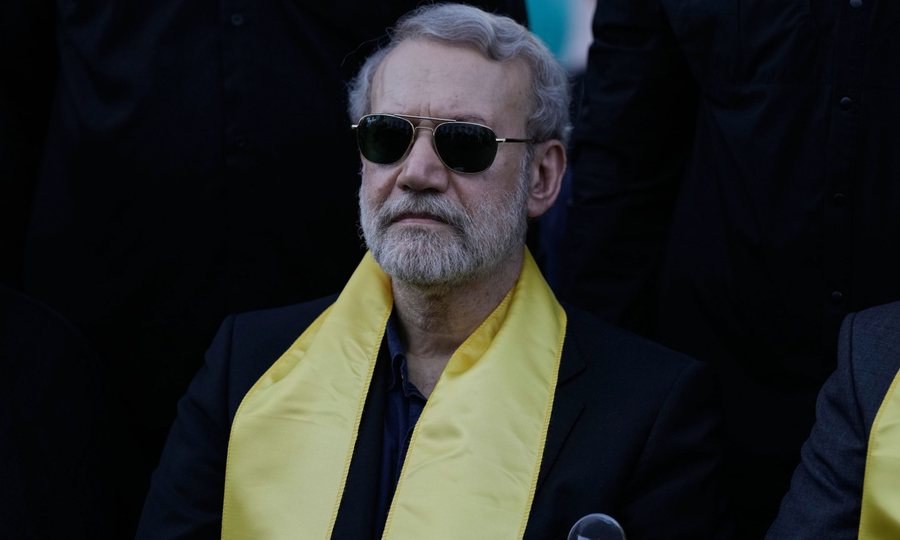
In early January, as Iran faced nationwide protests and the threat of U.S. military strikes, the country's supreme leader, Ali Khamenei, turned to a trusted and completely loyal ally to lead the country. He is Ali Larijani, a senior national security official, according to information cited by the New York Times, which refers to a broad report.
Since then, senior Iranian officials say, the 67-year-old veteran politician, a former Revolutionary Guard commander and now head of the Supreme National Security Council, has effectively taken over the country's governance. His rise has marginalized President Masoud Pezeshkian, a heart surgeon turned politician who is having a difficult first year in power and has publicly declared that "I am a doctor, not a politician" and that no one should expect him to solve the country's many problems.
The background to the rise of Larijan
The account of Larijani’s rise and the Iranian leadership’s decisions as the Trump administration threatens war is based on interviews with six senior Iranian officials, one of whom is linked to Khamenei’s office, three members of the Revolutionary Guard, two former Iranian diplomats, and Iranian media reports. All spoke to The New York Times on condition of anonymity to discuss internal government matters.
Larian’s portfolio has expanded significantly in recent months. He was responsible for the deadly crackdown on recent protests, when thousands of people demanded an end to Islamic rule. Today, he oversees the containment of internal dissent, maintains contacts with allies like Russia and regional actors like Qatar and Oman, oversees nuclear negotiations with Washington, and draws up plans for managing the country in the event of war with the United States, as Washington builds up its forces in the region.
"We are ready in our country," Larijani said in an interview with Al Jazeera during his visit to Doha, stressing that "we are definitely stronger than before. In the last 7 to 8 months, we have identified our weaknesses and corrected them. We do not seek war, nor will we start one. But if it is imposed on us, we will respond."
The regime's legacy and survival plans
According to the same sources, Khamenei has given clear orders for the Islamic Republic to survive not only from possible American or Israeli bombings, but also from a possible assassination of the senior leadership, and even himself.
Analisti konservator Nasser Imani tha se udhëheqësi suprem ka besim të plotë tek Larijani. "Ai beson se është personi i duhur për këtë moment të ndjeshëm, për shkak të sfondit të tij politik, mendjes së tij të mprehtë dhe njohurive të tij. Roli i tij do të jetë vendimtar në rast lufte."
Larijani vjen nga një familje e fuqishme politike dhe fetare dhe shërbeu si kryetar parlamenti për 12 vjet. Në vitin 2021, ai mori përsipër negociatat për një marrëveshje strategjike 25-vjeçare me vlerë shumë miliardë dollarëshe me Kinën.
Sipas të njëjtave burime, Khamenei ka përcaktuar katër nivele trashëgimie për çdo pozicion ushtarak dhe qeveritar që ai emëron personalisht. Ai gjithashtu u ka kërkuar të gjithë udhëheqësve të emërojnë deri në katër zëvendësues të mundshëm dhe i ka deleguar përgjegjësitë një rrethi të ngushtë bashkëpunëtorësh për të marrë vendime në rast të një ndërprerjeje të komunikimit ose vdekjes së tij.
Gjatë luftës 12-ditore me Izraelin, thuhet se Khamenei emëroi tre pasardhës të mundshëm, pa i bërë publikë emrat e tyre. Larijani pothuajse me siguri nuk është midis tyre, pasi ai nuk është një klerik i lartë shiit, një kërkesë kyçe për trashëgimi.
Megjithatë, ai i përket bërthamës së ngushtë të besimit të Khameneit, së bashku me këshilltarin e tij më të lartë ushtarak, Gjeneral Major Yahya Rahim Safavi, kryetarin e parlamentit dhe ish-komandantin e Gardës, Gjeneral Mohammad Bayer Ghalibaf, i cili është emëruar de facto zëvendëskomandant i forcave të armatosura në kohë lufte, dhe shefin e shtabit të tij, klerikun Ali Asghar Hejazi.
Përgatitjet për konflikt
Një pjesë e planifikimit i atribuohet mësimeve të nxjerra nga një sulm i papritur izraelit në qershor, i cili neutralizoi komandën më të lartë ushtarake të Iranit brenda disa orësh. Pas armëpushimit, Khamenei emëroi Larijanin sekretar të Këshillit të Sigurisë Kombëtare dhe krijoi një Këshill të ri të Mbrojtjes Kombëtare, nën drejtimin e Admiralit Ali Shamkhani, për të menaxhuar çështjet ushtarake në kohë lufte.
Eksperti i Iranit, Vali Nasr, tha se Khamenei po “shpërndan pushtetin dhe po e përgatit shtetin si për trashëgimi ashtu edhe për luftë”, duke e ditur se njëra mund të sjellë tjetrën.
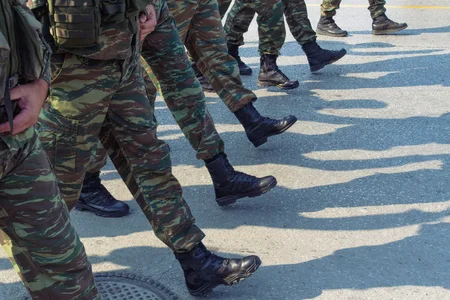
Sipas burimeve, Irani i konsideron sulmet amerikane pothuajse të pashmangshme dhe të afërta, pavarësisht kontakteve të vazhdueshme diplomatike mbi programin e tij bërthamor. Forcat e armatosura janë vënë në gatishmëri të lartë.
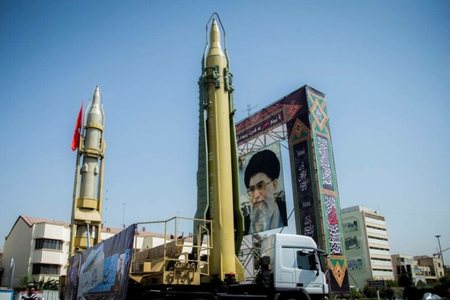
Vendi po zhvendos lëshuesit e raketave balistike në kufirin e tij perëndimor me Irakun - brenda distancës së goditjes nga Izraeli - si dhe në bregdetin jugor të Gjirit Persik, brenda rrezes së bazave amerikane. Ka mbyllur periodikisht hapësirën e tij ajrore për teste raketash dhe ka kryer ushtrime në Gjirin Persik, duke mbyllur përkohësisht Ngushticën e Hormuzit.
At the same time, Khamenei maintains harsh rhetoric. "The most powerful army in the world may receive such a slap that it will not be able to stand up," he said, also threatening to sink American warships.
Internal security and political survival
In the event of war, special police units, intelligence agents, and Basij militia battalions would be deployed on the streets of major cities, with checkpoints to prevent internal unrest and identify foreign agents.
At the same time, the leadership is considering political survival scenarios: who will rule if Khamenei and senior officials are killed, and who could act as "Iran's Delcy" - a reference to Venezuelan Vice President Delcy Rodríguez, who took on the role after the arrest of President Nicolas Maduro.
Larijani is said to be at the top of the relevant list, followed by Ghalibaf and, more unexpectedly, by former President Hassan Rouhani.
However, all carry political baggage, from corruption allegations to involvement in human rights abuses, including the killing of at least 7,000 unarmed protesters in three days, a number that human rights groups estimate could rise.
The withdrawal of President Pezheskian
In the past month, Larijani's public presence has increased significantly, while President Pesekian's has been limited. Larijani traveled to Moscow for talks with Vladimir Putin, met with Middle Eastern leaders, and participated in consultations on the nuclear program, while often giving lengthy television interviews.
Pezheskian appears to accept the transfer of power. At a cabinet meeting, he reportedly admitted that he had to turn to Larijan to lift internet restrictions that were hurting e-commerce — a narrative that shows who has the final say.
The following incident, as reported by the New York Times, is illustrative: In January, amid the crackdown on protests, the U.S. special envoy for the Middle East, Steve Witkoff, attempted to contact Iranian Foreign Minister Abbas Araghchi to clarify whether executions of protesters were being planned. Araghchi approached the president, asking for permission to contact him. Pezheskian replied that he did not know and referred him to Larijani for approval. /Adapted from Pamphlet /


Lini një Përgjigje