


 Shkruar nga Pamfleti
The escalation of the conflict and the dilemma of ground intervention bring back historical parallels
Because Iran, contrary to expectations, is resisting even the most powerful attacks, Donald Trump now intends to “bomb the country into the Stone Age.” The American president is also considering the possibility of using ground troops. He finds himself in an escalation trap.
In 1968, Donald Trump was spared from being drafted into Vietnam thanks to a medical report for a heel problem, reportedly by a family friend. Perhaps that's why he didn't learn the lessons of that war.
On Wednesday, in an address to the nation, Trump declared that he would “bomb Iran back into the Stone Age, where it belongs.” He quoted Air Force General Curtis LeMay, who in 1967 had used the same phrase about North Vietnam.
Then, as now, the belief prevailed that a country could be forced to surrender through military air superiority. During Operation Rolling Thunder (1965–1968), the United States conducted a sustained bombing campaign to force North Vietnam to negotiate on American terms. However, although by 1967 the US had dropped three times the number of bombs used in World War II, this did not return the adversary to the “Stone Age” or break its will.
Both then and now, Americans underestimate their adversary. Air strikes, on the contrary, strengthen their patriotic feelings, a factor that is not related to either communist ideology or religious fanaticism.
Iranian Foreign Minister Abbas Araghchi has suggested that American communications are also following the “Vietnam scenario”: exaggerating successes on the front and keeping quiet about losses. He noted that the Iranian air defense system is claimed to have been destroyed, while Iran managed to shoot down an F-35 aircraft.
During the Vietnam War, press conferences on the situation on the front lines became known as “Five O'Clock Follies,” a byword for overly optimistic and often misleading reporting. Although the US military did not lose any specific battles, it lost the war.
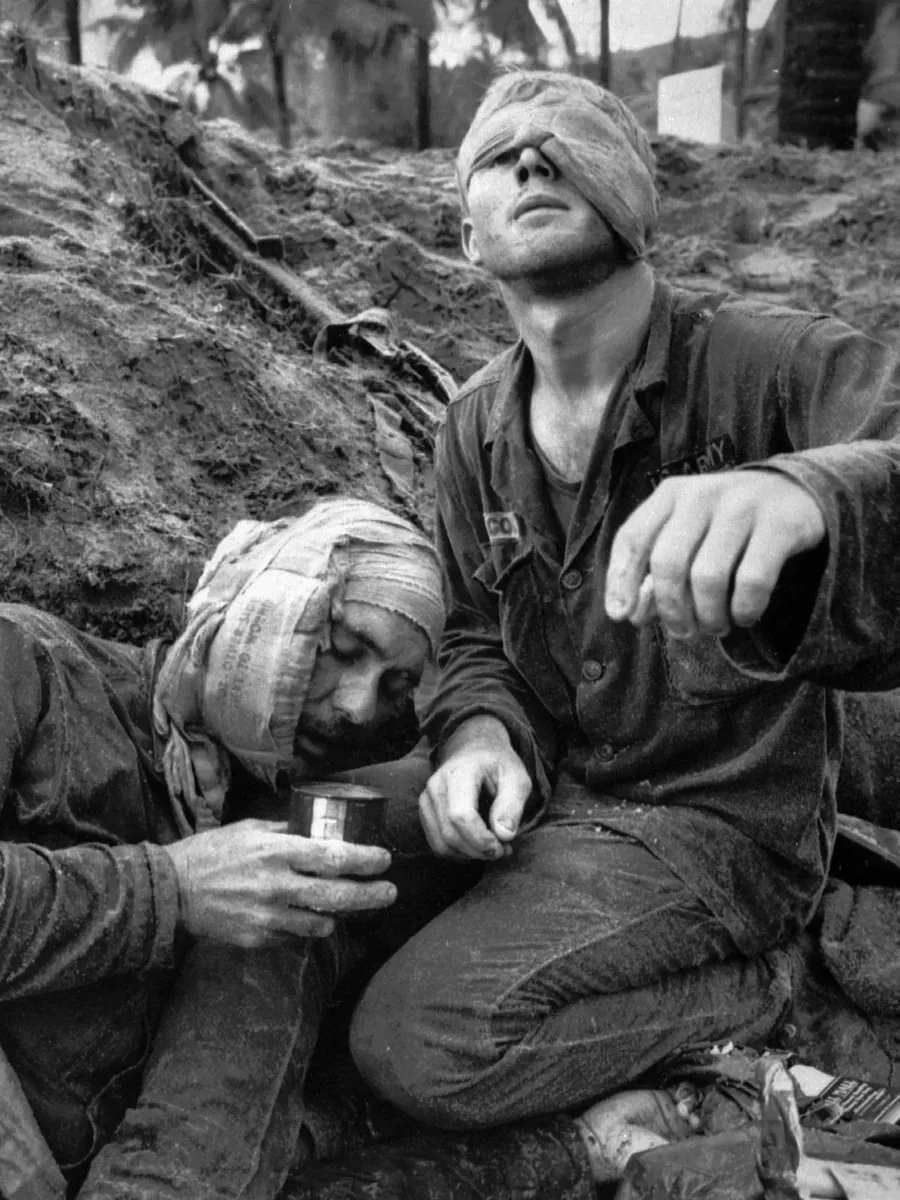
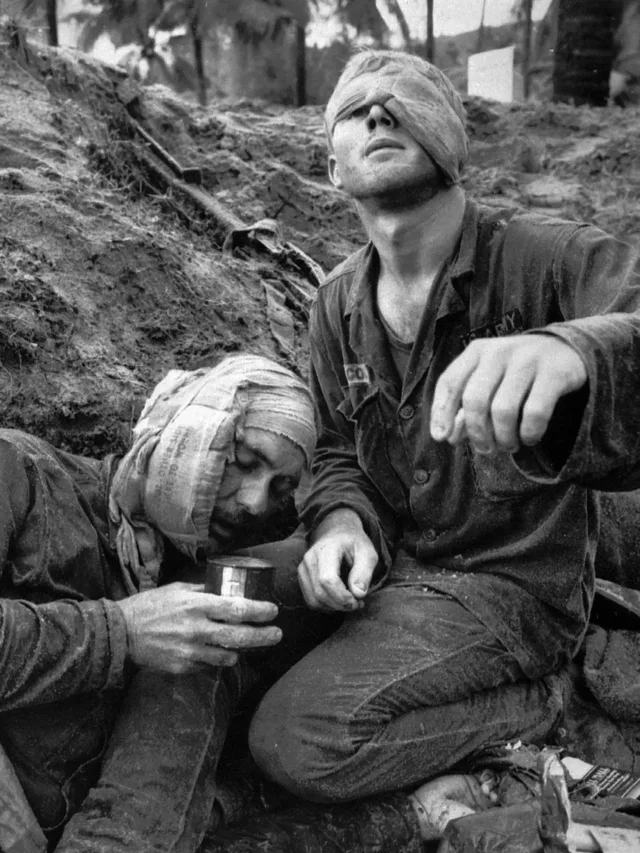
On Friday, two American fighter jets were shot down by Iran. One of the pilots was reported missing for several hours, but was later rescued by US special forces in a difficult operation in southwestern Iran. The situation is also reminiscent of Vietnam, where more than 700 American pilots and crew members were captured and tortured, while some were forced to make statements against the war.
Deri të mërkurën, ushtria amerikane kishte goditur 12,300 objektiva në Iran, sipas Komandës Qendrore (Centcom). Administrata Trump këmbëngul se operacionet po zhvillohen “përpara afatit”, një gjuhë që i përket më shumë projekteve të ndërtimit sesa një konflikti ushtarak.
Presidenti është veçanërisht krenar për eliminimin e mbi njëqind figurave të rëndësishme të Republikës Islamike, klerikë, ushtarakë dhe politikanë. Kjo shifër pritet të hyjë në historinë moderne ushtarake. Megjithatë, qëllimi i këtyre sukseseve taktike mbetet i paqartë.
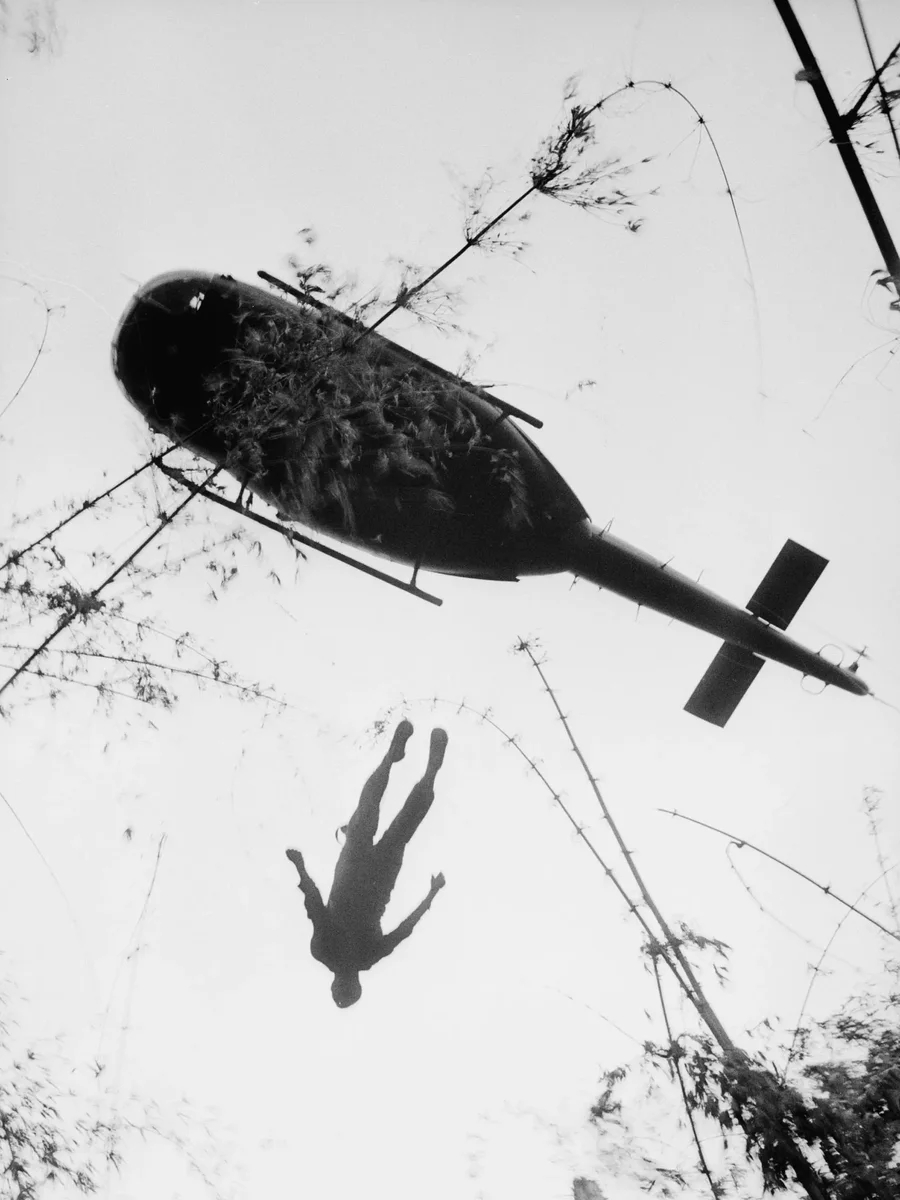
Edhe në Vietnam, strategjia u mbështet në statistika. Nga viti 1961 deri në 1968, ministri i Mbrojtjes Robert McNamara e trajtoi luftën si një ekuacion numerik: ushtria kishte objektiva për bombardime dhe për “numrin e trupave të vrarë” të armikut. Pasojat ishin të rënda, përfshirë vrasjen e civilëve dhe manipulimin e të dhënave. Më vonë, McNamara kërkoi falje publike për këtë strategji.
Ndërkohë, Irani po e zgjeron konfliktin. Ai e ka shtrirë atë gjeografikisht në shtetet e Gjirit, duke goditur jo vetëm baza ushtarake, por edhe infrastrukturën e naftës dhe gazit, me pasoja për turizmin dhe financat. Në aspektin ekonomik, përmes bllokimit të Ngushticës së Hormuzit, Irani ka ndikuar furnizimin global me naftë dhe ka përfshirë ekonominë botërore në konflikt.
Rritja e çmimeve të karburantit në SHBA lidhet me këtë situatë dhe përbën një problem politik për Trump.
Ashtu si Vietnami i Veriut dikur, edhe Irani mbështetet nga aleatët. Rusia i furnizon me dronë luftarakë, informacione të inteligjencës dhe të dhëna satelitore për sulme ndaj bazave amerikane. Ndërkohë, aleatët iranianë në Jemen, milicia Huthi, ende nuk janë aktivizuar plotësisht, por mund të godasin trafikun detar në hyrje të Detit të Kuq, duke dëmtuar më tej ekonominë globale.
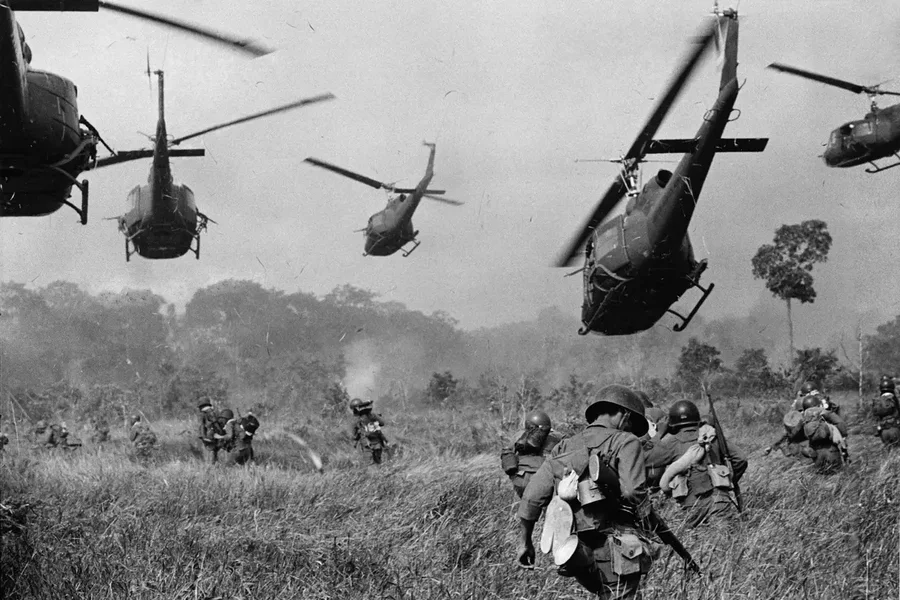
Pyetja kryesore mbetet: a janë të pashmangshme trupat tokësore?
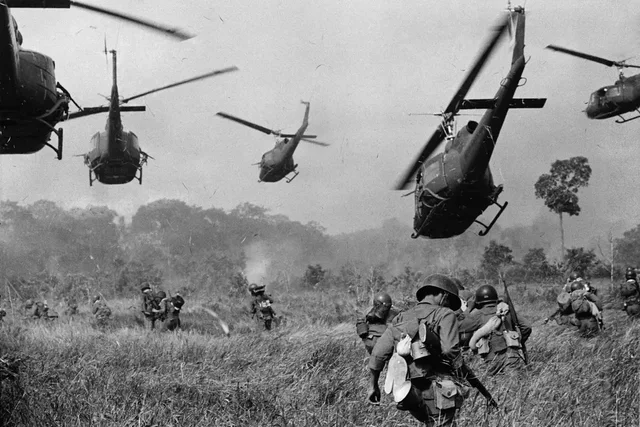
Në Vietnam, pasi bombardimet nuk dhanë rezultat, presidenti Lyndon B. Johnson dërgoi në vitin 1965 rreth 30,000 ushtarë në Vietnamin e Jugut, ndërsa më pas kërkoi përforcime. Terreni i vështirë, dobësitë e aleatëve lokalë dhe taktikat e Vietkongut u dhanë përparësi mbrojtësve.
Trump po shqyrton një skenar të ngjashëm për Iranin, sidomos për sigurimin e rreth 450 kilogramëve uranium të pasuruar që mendohet se ndodhen në objekte të thella nëntokësore. Një operacion i tillë do të kërkonte qindra ose mijëra trupa dhe pajisje të rënda, dhe mund të zgjasë javë ose muaj, në mes të një lufte aktive.
Po aq kompleks do të ishte edhe pushtimi dhe mbajtja afatgjatë e ishujve iranianë në Ngushticën e Hormuzit, veçanërisht ishulli Kharg, nga ku Irani realizon një pjesë të madhe të eksporteve të naftës. Pozicioni i tij pranë bregdetit iranian e bën atë të ekspozuar ndaj artilerisë, dronëve dhe raketave.
Iranian forces and the Revolutionary Guard have had decades to prepare for such a scenario. The mountainous terrain and harsh conditions favor the defenders. Thus, even the most powerful army can face serious difficulties in the field.
In this situation, Trump could face the same dilemma as American presidents during the Vietnam War: escalate the conflict with more troops or seek a solution through negotiations.
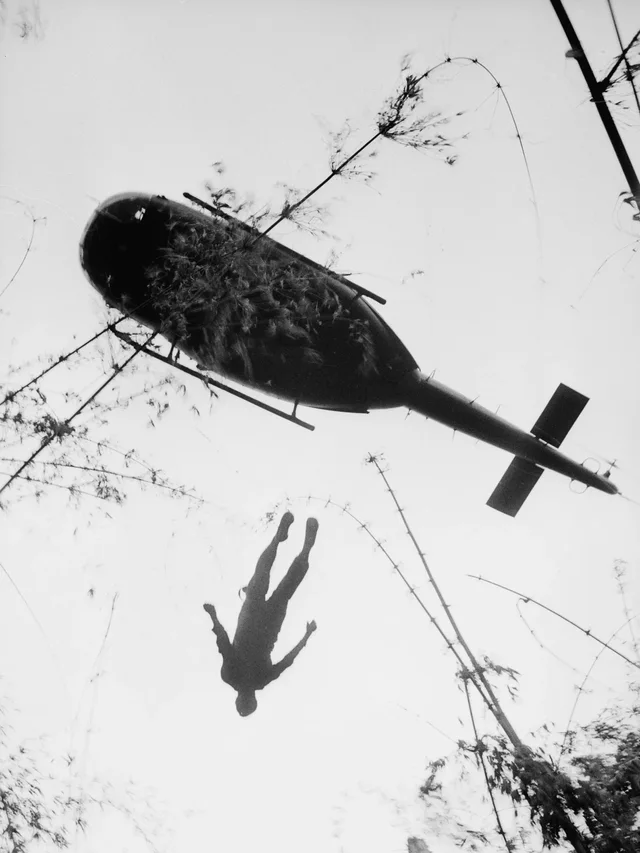
In Vietnam, this dilemma ended with the withdrawal of American troops in 1973. /Adapted from NZZ /




Lini një Përgjigje