


 Shkruar nga Pamfleti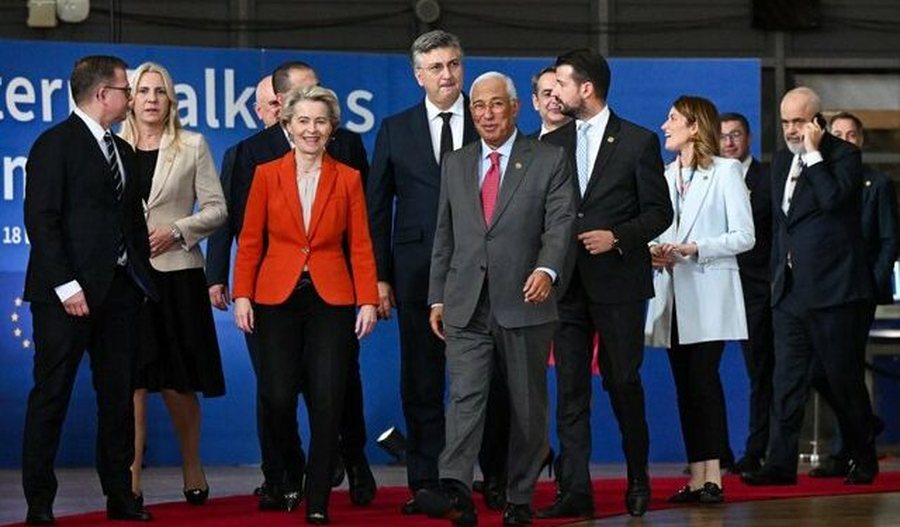
The year 2024 was marked by decisive elections in both Europe and the United States With ongoing tensions in the most fragile parts of the Western Balkans. EU enlargement has the potential to stabilize the region and has gained momentum in 2024. The main question in 2025 will be whether this momentum will continue.
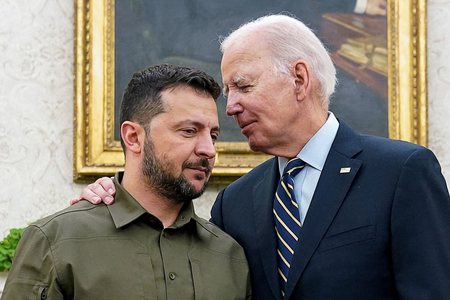
The incoming Trump administration has not paid much attention to the Western Balkans, and it is doubtful that the region will play a significant role in US foreign policy. However, the global influence of this administration can also be reflected in the Balkans, writes European Western Balkans.
While the region is never far from early elections, so far only two regular elections have been scheduled in Kosovo in February and in Albania in May. In both countries, the current leaders are favorites to return to office. Democracy in the Western Balkans continues to suffer from many early problems and the mobilization of citizens in the streets, especially in Serbia, is gaining importance.
2025 - decisive year for the continuation of the EU expansion momentum
In 2018, the European Commission, then led by Jean-Claude Juncker, adopted an enlargement strategy, which set 2025 as a possible accession year for Serbia and Montenegro. Even at that time, this was considered too ambitious, and so it turned out, since the year 2025 has already arrived and no country is on the threshold of joining the Union. For a while, no particular year was proposed as an alternative.
However, following the outbreak of full-scale war in Ukraine, EU leaders once again began to refer to enlargement as a priority. New dates have recently been mentioned, at least in the cases of Montenegro and Albania, which now aim to close all negotiation chapters by 2026 and 2027, respectively. The Serbian leadership also made a more visible effort to made at least formal progress on the path to EU membership, which has not yet materialized.
The expansion process has picked up speed in recent months and 2025 will be crucial to see if this momentum is maintained. After closing three negotiating chapters in December, Montenegro plans to close more next year and the EU Council confirmed its readiness to start work on the accession treaty with the country "in due course". The Polish presidency of the Council, which will last until June 30, was committed to making progress on enlargement.
The European Commission will carry out policy reviews in 2025 to determine what reforms are needed to make it ready for enlargement. Negotiations on the next Multiannual Financial Framework (2028-2034) are expected to officially begin and its content will serve as an indication of whether the EU expects to accept new members in that period.
How will the second Trump administration treat the region?
Since winning a second term as President of the United States, neither Donald Trump nor his aides have indicated what they plan to do in the Western Balkans, illustrating a relatively low priority of the region for current US foreign policy. of. During Trump's first term, while there were attempts to change course on some issues, particularly in Serbia-Kosovo relations, continuity largely prevailed.
In their pre-election analyses, foreign policy experts estimated that Trump's victory would be an impetus for conservative and nationalist forces in the Balkans and that American engagement in Europe and especially in this region "could significantly shrink". Several Trump cabinet picks, who are perceived to have more "establishment" views on foreign policy, make it harder to predict how much the situation will change after he takes office on January 20, 2025.
Richard Grenell, who got to know the Balkans well during Trump's first term as the President's Special Envoy for the Belgrade-Pristina Dialogue, was chosen by Trump as the Envoy for Special Missions. To what extent his work will focus on the Balkans remains unknown. The Serbian leadership has already invested in a good relationship with the returning administration, striking business deals with Trump's son-in-law Jared Kushner and (possibly) Donald Trump Jr.
Kosovo-Serbia relations: Continuous tensions or progress towards normalization?
Unless there is a major upset in the upcoming elections in Kosovo (see below), Albin Kurti and Aleksandar Vučič will continue to participate in the normalization process, which has seen no normalization in 2024. In fact, with the 2023 attack in Banjska and the last water Canal explosion, for which Serbia has denied any responsibility, tensions have reached their highest point in the last decade.
Vucic and Kurti accepted the 2023 Brussels-Ohrid agreement, which then became part of their negotiating frameworks for EU membership. The ultimate goal of the agreement is described as "de facto" recognition, and the parties are called upon to continue implementing its elements, including mutual recognition of symbols and documents.
Megjithatë, takimet e ndryshme të mëvonshme në Bruksel dhanë pak fryte. Veprimet e Kurtit në veri të Kosovës që synojnë vendosjen e kontrollit të plotë shtetëror mbi këtë zonë, pa formimin e Asociacionit të Komunave me shumicë serbe, janë parë si kundërshtare nga shumë në komunitetin serb dhe kanë çuar në ftohjen e marrëdhënieve të Kosovës. me BE dhe SHBA. E meta kryesore e Serbisë, përveç kërkesave formale të dialogut, mbetet ndjekja penale e Milan Radoiçiçit, i cili mori përgjegjësinë për sulmin në Banjska të vitit 2023.
Mandati i Miroslav Lajçak, Përfaqësuesi Special i BE-së për Dialogun Beograd-Prishtinë, skadon në janar 2025. Përfaqësuesja e re e Lartë e BE-së për Punët e Jashtme dhe Politikën e Sigurisë, Kaja Kallas, nuk ka detajuar planet e saj për ndërmjetësimin e dialogut, duke përfshirë nëse ajo do të të emërojë një përfaqësues të ri Special ose ta udhëheqë vetë procesin.
Zgjedhjet në rajon: A mund t’i habisë dikush pushtetarët?
Zgjedhjet parlamentare në Kosovë janë caktuar për 9 shkurt 2025, ndërsa zgjedhjet në Shqipëri më 11 maj 2025. Partitë aktuale të udhëhequra nga Albin Kurti në Kosovë dhe Edi Rama në Shqipëri janë të favorizuara për të mbajtur pushtetin, por edhe nëse nuk e bëjnë, nuk priten ndryshime në orientimin e tyre të përgjithshëm gjeostrategjik, pasi konsensusi për mbështetjen e integrimit euroatlantik ekziston ende në të dy vendet.
Në vitin 2021, Lëvizja Vetëvendosje e Albin Kurtit fitoi shumicën e votave nga një parti e vetme që nga shpallja e pavarësisë së Kosovës, e cila gjithashtu i mundësoi asaj të shërbente mandatin e parë të plotë katërvjeçar në detyrë. Sondazhet e opinionit sugjerojnë se partia ka ruajtur një nivel të lartë mbështetjeje dhe se ajo kryeson me një diferencë të madhe dy partitë kryesore të opozitës, Lidhjen Demokratike dhe Partinë Demokratike.
Me fillimin e fushatës në Kosovë, u shfaq një polemikë kur Komisioni Qendror i Zgjedhjeve refuzoi të certifikojë Listën Serbe, e cila ka pasur pozitë dominuese në mesin e komunitetit serb. Mbetet të shihet nëse do të certifikohet Lista Serbe pas procedurës së ankesës.
Në Shqipëri, Partia Socialiste në pushtet po synon të sigurojë një mandat të katërt radhazi në detyrë nën kryeministrin Edi Rama. Partia Demokratike kryesore e opozitës ka pësuar përçarje dhe përleshje të brendshme në dy vitet e fundit dhe tani drejtohet nga lideri shumëvjeçar Sali Berisha, ish-kryeministër. Berisha kaloi pjesën më të madhe të këtij viti në arrest shtëpie, i akuzuar për korrupsion, të cilin ai e mohon.
Atmosfera politike në Shqipëri mbetet tejet e polarizuar, gjë që u vu në dukje edhe nga raportet e Komisionit Evropian. Megjithatë, vendi ka arritur të bëjë përparim në rrugën e tij drejt BE-së dhe pritet që Unioni të vëzhgojë nga afër zhvillimin e zgjedhjeve të ardhshme.
Serbi: A do ta tronditë partinë në pushtet trazirat e vazhdueshme?
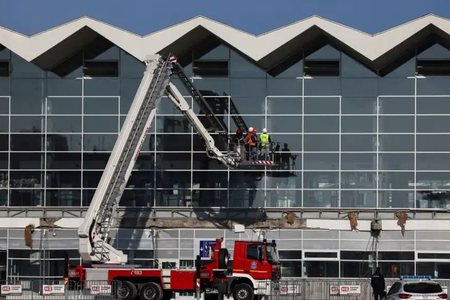
While in June 2024, after its victory in the local elections, the position of the ruling Serbian Progressive Party and President Aleksandar Vucic seemed quite stable, they quickly ran into trouble after announcing the restart of the highly controversial lithium mining project. The size of the protests that started after the announcement surprised even the ruling party. Their situation was made even more difficult by the mass protests and student blockades that followed the tragic collapse of the recently rebuilt railway station in Novi Sad on 1 November.
At the moment, the idea of early parliamentary elections has spread to the public, but none of the actors has seriously supported it (regular elections will not take place until 2027). While street protests are massive, the political opposition remains fragmented. Since 2016, SNS has successfully weathered multiple political crises and a series of protests. But instead of softening, the protests continue to get bigger as the years go by./ Taken from European Western Balkans


Lini një Përgjigje