


 Shkruar nga Pamfleti
Brussels calls for strengthening the fight against organized crime and closer cooperation with EU agencies. The resolution calls for stronger protection of media freedom, transparency on media ownership and investigation of attacks on journalists. It highlights weaknesses in public administration, the need for depoliticization and meritocracy, as well as a lack of progress on the environment.
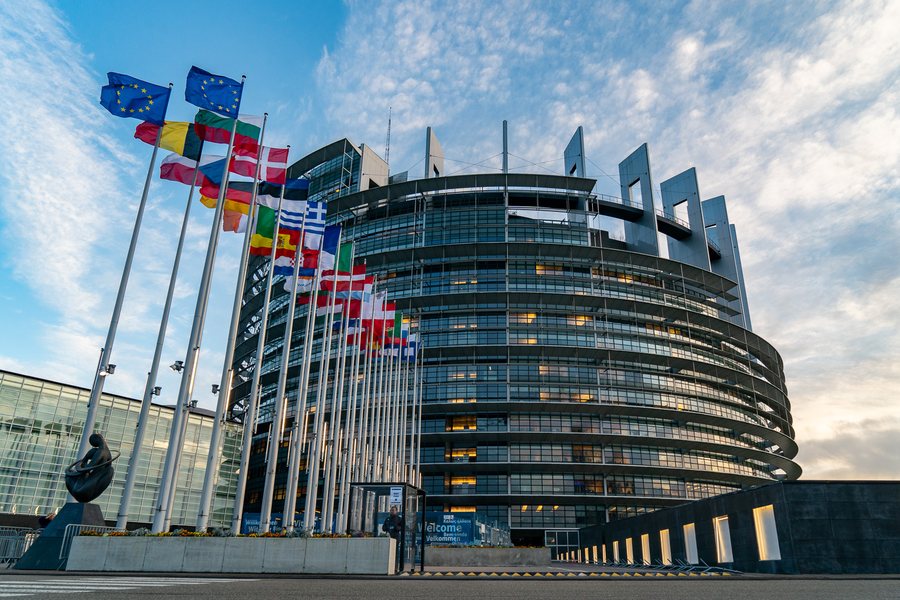
The EP's draft report on Albania for 2025 states that corruption remains a serious concern and recommends that Albania further consolidate concrete results in investigations and prosecutions, especially in cases of high-level corruption.
The document acknowledges the opening of all negotiation chapters within 13 months and the ambition to close them by the end of 2027. However, it conditions this objective on the concrete implementation of reforms in the rule of law, the fight against corruption, the functioning of democratic institutions, media freedom and socio-economic reforms.
Elections and political climate
The resolution notes that the electoral framework is generally considered suitable for competitive elections, but highlights concerns about a lack of a level playing field, misuse of administrative resources, allegations of vote buying and pressure on voters. The document calls on the majority and opposition to pursue comprehensive electoral reform and implement the recommendations of the OSCE/ODIHR and the Venice Commission before the next elections.
The European Parliament expresses concern about political polarization and confrontational discourse, which it says weakens parliamentary oversight and the functioning of institutions. It calls for strengthening the Assembly's control over the executive, increased legislative transparency, and broader consultation with civil society.
Justice and corruption
The resolution welcomes the continuation of the justice reform and the vetting process, but highlights problems in the efficiency of the judiciary, the backlog of cases, the sustainability of practice and the risk of inappropriate influences.
The document calls for strengthening the governance bodies of the judicial system and investments in infrastructure and digitalization. It emphasizes that corruption remains a serious concern and requires a consistent track record of investigations and final decisions, especially for high-level corruption. The resolution also underlines the need for a more effective fight against organized crime and closer cooperation with Europol and Eurojust.
Liria e medias dhe të drejtat themelore
Parlamenti Europian kërkon përpjekje të mëtejshme për mbrojtjen e lirisë së shprehjes dhe pluralizmit mediatik, transparencë mbi pronësinë e mediave dhe hetim të rasteve të kërcënimeve ndaj gazetarëve.
Dokumenti inkurajon forcimin e mbrojtjes për pakicat dhe grupet e cenueshme, përfshirë komunitetet rom dhe egjiptian, personat me aftësi të kufizuara, punëtorët migrantë dhe personat LGBTIQ+. Ai shpreh shqetësim për retorikën kundër barazisë gjinore dhe kërkon përmirësim të aksesit në drejtësi për grupet e margjinalizuara.
Administrata, ekonomia dhe mjedisi
Rezoluta pranon progres në reformën e administratës publike, por kërkon rekrutim mbi bazë meritore dhe depolitizim të shërbimit civil. Ajo thekson nevojën për planifikim politikash të bazuar në prova dhe transparencë në buxhetim, si dhe për forcim të mbikëqyrjes parlamentare mbi financat publike.
Në planin ekonomik, dokumenti përshëndet angazhimin në Planin e Rritjes së BE-së për Ballkanin Perëndimor, por evidenton dobësi strukturore si informaliteti, produktiviteti i ulët dhe mjedisi sfidues për biznesin. Ai kërkon investime në arsim, aftësi dhe inovacion, si dhe dialog social më funksional, duke shprehur keqardhje për frekuencën e ulët të mbledhjeve të Këshillit Kombëtar të Punës.
Në fushën e mjedisit dhe ndryshimeve klimatike, rezoluta vëren mungesë progresi gjatë vitit të fundit.
Politika e jashtme
Dokumenti përgëzon Shqipërinë për përafrimin e plotë me politikën e jashtme dhe të sigurisë së BE-së dhe për rolin në stabilitetin rajonal, si dhe thekson rëndësinë e bashkëpunimit rajonal dhe marrëdhënieve të fqinjësisë së mirë.
Projekt-rezoluta për vitin 2025 paraqet një panoramë të dyfishtë: progres formal në procesin e negociatave, por kërkesa të qarta për rezultate të matshme në reforma që prekin drejtpërdrejt funksionimin e shtetit dhe besimin e qytetarëve.
Projekt-rezoluta e plotë e Parlamentit Europian për Shqipërinë
1-Përshëndet angazhimin e jashtëzakonshëm të Shqipërisë ndaj integrimit evropian, të bazuar në konsensusin e të gjitha forcave politike dhe mbështetjen dërrmuese të qytetarëve, si dhe vlerëson faktin që Shqipëria hapi të gjitha grup-kapitujt e negociatave brenda vetëm 13 muajve;
2-Përshëndet ambicien e Shqipërisë për të mbyllur negociatat e anëtarësimit deri në fund të vitit 2027 dhe progresin e shpejtë të arritur vitet e fundit; thekson nevojën për të garantuar zbatimin e plotë dhe të thelluar të legjislacionit;
3-Vëren se Komisioni e vlerëson kuadrin zgjedhor të Shqipërisë si përgjithësisht të përshtatshëm për zhvillimin e zgjedhjeve konkurruese, duke ritheksuar megjithatë shqetësimet lidhur me mungesën e barazisë së kushteve, keqpërdorimin e burimeve administrative, pretendimet për blerje votash dhe presionin ndaj votuesve; për këtë arsye u bën thirrje si shumicës ashtu edhe opozitës që të ndjekin në mënyrë konstruktive dhe përfshirëse një reformë zgjedhore gjithëpërfshirëse, në bashkëpunim të ngushtë me shoqërinë civile, dhe të zbatojnë plotësisht rekomandimet e mbetura të OSBE/ODIHR dhe të Komisionit të Venecias, shumë përpara cikleve të ardhshme zgjedhore;
4-Shpreh shqetësim për polarizimin e vazhdueshëm politik dhe diskursin konfrontues politik, të cilat minojnë mbikëqyrjen parlamentare, besimin publik dhe funksionimin efektiv të institucioneve demokratike;
5- Inkurajon forcimin e kontrollit parlamentar mbi ekzekutivin, rritjen e transparencës në procedurat legjislative dhe konsultim më domethënës me organizatat e shoqërisë civile, partnerët socialë dhe institucionet e pavarura.
Shteti i së drejtës, gjyqësori dhe lufta kundër korrupsionit
6-Përshëndet vijimin e zbatimit të procesit të reformës në drejtësi, përfshirë procesin e rivlerësimit (vetting) të gjyqtarëve dhe prokurorëve, i cili ka kontribuar në rritjen e llogaridhënies dhe integritetit brenda sistemit gjyqësor; megjithatë, vëren sfidat e vazhdueshme që lidhen me efikasitetin e gjyqësorit, stokun e lartë të çështjeve të prapambetura, qëndrueshmërinë e praktikës gjyqësore dhe përpjekjet për të ushtruar ndikim të papërshtatshëm;
7-Bën thirrje për forcimin e mëtejshëm të organeve të qeverisjes së sistemit gjyqësor, duke garantuar pavarësinë, transparencën dhe kapacitetin e tyre profesional, si dhe për investime të qëndrueshme në infrastrukturën e gjykatave dhe digjitalizimin e sistemit;
8-Thekson se korrupsioni mbetet një shqetësim serioz dhe se, pavarësisht progresit në kuadrin ligjor dhe institucional, Shqipëria duhet të konsolidojë më tej rezultatet konkrete në hetime, ndjekje penale dhe vendime përfundimtare, veçanërisht në rastet e korrupsionit në nivele të larta;
9-Këmbëngul se korrupsioni duhet adresuar në të gjitha nivelet, në mënyrë që të forcohet besimi i qytetarëve në institucionet shtetërore dhe të krijohet një mjedis biznesi i parashikueshëm;
10-Nënvizon rëndësinë e luftës efektive kundër krimit të organizuar, përfshirë rrjetet e pastrimit të parave dhe trafikut të drogës, dhe bën thirrje për intensifikimin e bashkëpunimit me agjencitë e BE-së si Europol dhe Eurojust;
Të drejtat themelore dhe liria e medias
11-Bën thirrje për përpjekje të mëtejshme në mbrojtje të lirisë së shprehjes dhe pluralizmit mediatik, përfshirë rritjen e transparencës mbi konfliktet e mundshme të interesit të pronarëve të mediave, garantimin e mbrojtjes ndaj presionit politik dhe ekonomik mbi gazetarët, si dhe hetimin efektiv të kërcënimeve dhe sulmeve ndaj profesionistëve të medias;
12- Encourages Albania to strengthen the institutional framework for the protection of minorities and vulnerable groups, including the Roma and Egyptian communities, persons with disabilities, migrant workers and LGBTIQ+ persons, and to ensure the effective implementation of anti-discrimination legislation; expresses concern about the anti-gender equality rhetoric present in political discourse;
13-Underlines the need to improve access to justice, especially for vulnerable and marginalized groups.
- Public administration reform and governance
14-Recognises the progress achieved in public administration reform, including strategic planning and coordination; stresses, however, that further efforts are needed to ensure merit-based recruitment and the depoliticisation of the civil service;
15-Calls for improved policy planning, evidence-based decision-making and transparent budgetary processes, including strengthening parliamentary oversight over public finances;
Socio-economic reforms and the environment
16-Welcomes Albania's commitment to implementing the EU Growth Plan for the Western Balkans; notes, however, that structural weaknesses persist, including informality, limited productivity growth and a challenging business environment; reiterates the importance of improving transport infrastructure between the Western Balkan countries and developing links with EU Member States;
17-Underlines the importance of investing in education, skills development and innovation to support sustainable growth and social cohesion;
18- Stresses the key importance of a genuine social dialogue to ensure that the benefits of enlargement are shared among different segments of the population; regrets the low frequency of meetings of the National Labour Council; calls for the strengthening of the tripartite consultation process, including adequate representation of trade unions; stresses the need to further support the capacity-building of social partners;
19- Notes with concern the Commission's assessment that there has been no progress in the field of environment and climate change over the past year.
Foreign policy and regional cooperation
20-Congratulates Albania on its continued and full alignment with the EU's common foreign and security policy, including the implementation of restrictive measures, its continued engagement in Common Security and Defence Policy (CSDP) missions and operations, as well as its constructive role in promoting regional stability;
21-Underlines the importance of good neighborly relations and regional cooperation as essential components of the enlargement process and welcomes Albania's active participation in regional initiatives;




Lini një Përgjigje