


 Shkruar nga Gjergj Erebara
The campaign for the May 11 elections was dominated by techniques and expressions borrowed from the campaigns of American President Donald Trump, as well as by promises of no tariffs, leaving out of the debate the confrontation of ideas on key topics, from economic development to social policies or environmental protection.
The campaign for the May 11 elections was dominated by techniques and expressions borrowed from the campaigns of American President Donald Trump, as well as by promises of no tariffs, leaving out of the debate the confrontation of ideas on key topics, from economic development to social policies or environmental protection.
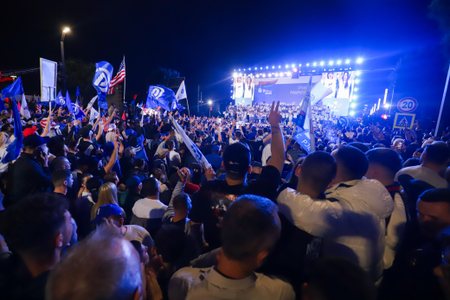
Four of the political forces competing in the May 11 elections appear to have chosen the politics of emotions borrowed from the campaigns of US President Donald Trump over the politics of ideas, continuing a tradition that will likely prolong Albania's transition to democracy and the rule of law. The innovative phenomenon of these elections has been the dominance of closed doors in electoral offices and the concentration of the campaign through back channels of private communication with candidates who are replacing state functions with political clientelism.
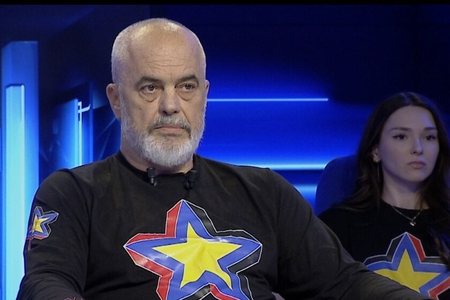
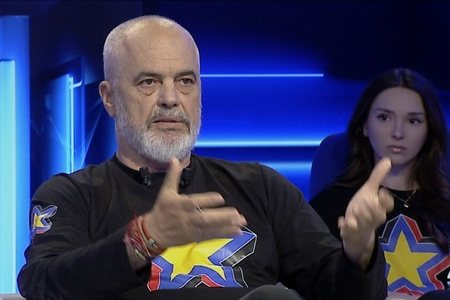
Prime Minister Edi Rama followed the pattern of the past two campaigns, that of the pie that should not be shared with the small parties of 2017 and the “competition between personalities and not ideas” (this was his expression in 2021). This time, Rama borrowed the slogan of American conservatives about “draining the swamp” as a leitmotif to target the opposition and reject any rational discussion. Rama last campaigned based on promises and debates on the form of the state and society in 2013.
Similarly, opposition leaders Sali Berisha and Ilir Meta based a significant portion of their electoral efforts on exploiting human sentiments through fear and uncertainty, often alluding to conspiracies against the nation. To illustrate the similarity with Trump, Berisha hired one of his campaign strategists, Chris LaCivita, for an as-yet-unknown sum.
The chairman of the "Mundësia" Party, Agron Shehaj, chose to greet Albanians from the Mar-a-Lago golf park, an entertainment complex owned by US President Donald Trump, while borrowing from the Trump-Musk campaign the ideas of a small state and downsizing public administration.
The leaders of the "Albania Becomes Initiative" coalition relied on what could be called folkloric nationalism more than once, while flirting with the idea of "an agenda" by insinuating a conspiracy by the LGBTQ+ community. Homophobia was used as a policy on many occasions by Berisha and Meta, while Rama tried on one occasion to exploit stereotypes about the city of Elbasan by making fun of the terms "parent 1" and "parent 2", terms that were actually created as part of a disinformation campaign that targets members of the LGBTQ+ community as enemies of the family, as haters of the terms "mother" or "father".
Një numër prej deputetëve të opozitës propozuan gjithashtu, si pjesë e mesazheve të tyre elektorale, një ndryshim ligjor në parlament, në të cilin specifikohet se në legjislacionin shqiptar duhet të ketë vetëm dy gjini, gjininë e “qelizës së vogël riprodhuese” dhe atë të “qelizës së madhe riprodhuese”, një propozim jo i nevojshëm ky, nëse merr parasysh se Kodi i Familjes dhe ligji për Gjendjen Civile aktualisht nuk njeh ndonjë gjini tjetër dhe as nuk lejon ndryshimin e gjinisë. Kandidatë të ndryshëm të opozitës e deklaruan veten si politikanë “pro familjes”, duke sugjeruar në këtë mënyrë se në vend ekziston ndonjë forcë politike që është “kundër familjes” apo që synon ta shkatërrojë atë.
Një pjesë jo e vogël e fushatës u kalua me justifikimet që Rama dha në mënyrë të përsëritur për skandalet korruptive të qeverisë së tij. Në një rast, ai sugjeroi se “as me gishtat e dorës” nuk numërohen njerëzit e kabinetit qeverisës që kanë probleme me drejtësinë, duke nënvlerësuar në këtë mënyrë një listë të gjatë me skandale, nga Sajmir Tahiri, ministri i brendshëm, truprojat e të cilit u dënuan për trafik ndërkombëtar droge, te Arben Ahmetaj, zëvendëskryeministri në arrati nga akuzat për korrupsion dhe pastrim parash apo te Ilir Beqaj, aktualisht në gjykim për korrupsion dhe pastrim parash apo Erion Veliaj, person nën hetim. Këta janë gjithsesi vetëm zyrtarët më të lartë dhe vetëm ata të cilët po përballen me akuza zyrtare.
Për skandale të tjera të panumërta, nga çështja e ndryshimit të ligjeve me porosi të Samir Manes, për të cilën Meta është me masë sigurie arrest me burg, te DH Albania, kompania fantazmë që fitoi dy tenderë me dokumente të falsifikuara, kryeministri thotë se nuk ka ditur gjë dhe rrjedhimisht, nuk mund të mbajë përgjegjësi.
Cirk dhe premtime
Kryeministri Edi Rama, i cili kërkon mandat të katërt të paprecedentë, gjë që, nëse e realizon, do ta bëjë atë udhëheqësin e dytë më jetëgjatë të vendit pas Enver Hoxhës, përdori animacionet me kukulla si temë kryesore të fushatës, shkaktoi zemëratë duke shënjestruar votuesit meshkuj jombështetës të tij si “çyrykë”, (termi përshkruan me përçmim një njeri që është fizikisht i gjymtuar), si dhe si “autikë politikë”, term për të cilin kërkoi ndjesë. Në një pjesë të madhe të fushatës, cirku i tij u përqendrua në një komunikim në distancë me ish-kryetarin e Partisë Demokratike, Lulzim Basha, aktualisht kandidat për deputet i Koalicionit Euroatlantik, ndërsa një shkëmbim me një mbështetës popullor të opozitës, Ilir Vrenozi, mbushi edhe një pjesë të kohës që normalisht do të duhej të përdorej për të debatuar politika publike. Një prej kandidateve të tij, Zegjine Çaushi nga Roskoveci, u bë fenomen i medias sociale pas disa episodeve të ftesave publike për flirt me Gazmend Bardhin, një nga krerët e opozitës.
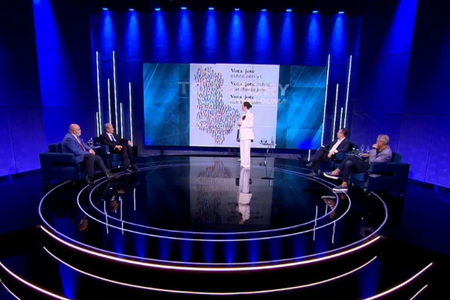
Media nga ana e saj shënoi një rekord historik me përqendrimin e raportimit zgjedhor te dy udhëheqësit, Rama dhe Berisha, Berisha dhe Rama, me ndonjë kandidat biznesmen që u shfaq herë pas here për të rrëfyer sukseset e tij të jetës, por pa ndonjë hapësirë për diskutime të tilla si shanset e barabarta, shëndetësia e mbuluar nga taksimi i përgjithshëm, shteti i së drejtës apo të drejtat themelore të njeriut. Shumica e kandidatëve, as ata të partive të mëdha dhe aq më pak, të partive të vogla, nuk patën dalje në media dhe gazetarët as nuk patën mundësi t’i pyesnin për çështje të interesit publik.
Në vend të debateve të mbështetura në argrumente të mirëinformuara e të ballafaquara, shqiptarët morën një numër premtimesh krejtësisht të pabesueshme dhe financiarisht të pamundura për t’u realizuar. Udhëheqësit kryesorë hynë në një garë se kush ofronte premtimin për pensionin më të lartë, me ofertat që variojnë nga 200 në 250 euro në muaj për pensionin minimal dhe në 400 euro në muaj për pensionin mesatar. Realizimi i këtyre premtimeve kërkon miliarda euro, të cilat vendi nuk i ka dhe as nuk pritet t’i ketë, por këto nuk ishin premtimet e vetme. Udhëheqësi i opozitës Sali Berisha e shtyu më tutje duke premtuar njëkohësisht rritje pensionesh, rritje rrogash e rritje subvencionesh, si dhe ulje taksash e tatimesh.
Në vend të debateve racionale mbi gjendjen e vendit, udhëheqësit e maxhorancës u lejuan të deklarojnë shifra krejtësisht të deformuara për të shpallur një sukses ekonomik imagjinar, pa u ballafaquar me ekspertë apo pa iu verifikuar shifrat e deklaruara me burime të pavarura, si INSTAT apo FMN. Mes argumenteve më të fryra, pretendimi për rritje të ekonomisë me 2.5 herë, e cila duket se nuk mbështetet në fakte, apo pretendimi për ulje të borxhit publik në raport me Prodhimin e Brendshëm Bruto, pretendim që injoron faktin që vlera nominale e PBB-së reflekton një shkallë shumë të lartë inflacioni që shqiptarët vuajtën në vitet pas pandemisë së Covid-19 dhe nuk reflekton ndonjë politikë të kujdesshme makroekonomike. Me pak fjalë, nuk është ulur borxhi publik nga 80 në 60% të PBB-së, por PBB është fryrë me një shkallë inflacioni 20% për periudhën dhjetor 2020 deri më sot, gjë që do të thotë që PBB nominale është fryrë me 20% për shkak të inflacionit dhe borxhi publik si përqindje e PBB-së detyrimisht ka reflektuar këtë inflacion.
Pabarazia, monopolet, abuzimi me të dhënat personale nga ana e korporatave, praktikat zhvatëse nga institucionet financiare të bankingut konvencional apo të mikrokreditit apo problemet praktike, si mungesa e titujve të pronësisë, parcelizimi i tejskajshëm i tokës bujqësore, çmimet e papërballueshme të banesave për mbi 132 mijë familje, këto janë disa nga temat që mbetën gjatë kësaj fushate gjerësisht të padebatuara.
In parallel with the frequent television appearances of the Rama-Berisha duo, the campaign seemed to be focused behind closed doors in the literal sense of the word. The vast majority of electoral offices of all parties in many towns and villages where BIRN knocked were practically closed, with their facades used to put up electoral posters.
Communication with voters, especially by the Socialist Party, appears to have been carried out one-on-one through a vast and controversial network of patronage agents, party militants, usually employed in public administration, who are committed to tracking each voter one by one.
The signs are clear that this massive form of political clientelism uses access to state resources, from salaries and employment, to economic assistance or legal rights of property and legalization, for a combined exercise of bribery with threats, which has clearly killed politics as politics should be, based on ideas and not on mechanisms of coercion. “They got it” is an expression that is being used more and more often among campaign managers of both sides to indicate a voter who cannot exercise his political conviction, but casts his vote as a result of the conditioning imposed by the party, whether this conditioning is a job for himself or for a relative, a threat of losing a job for himself or a relative, and others like these.
While Albanians are once again considering who to vote for on Sunday, the fact is that they are clearly going to vote, in most cases, without having the opportunity to listen even once to the candidate they will vote for, without knowing what the candidate's thoughts are on issues that concern them, from practical issues of state budget management to the long-term development perspective of the country or global sensitivities, such as the War in Gaza or the West's confrontation with Russia.
The chances are that, in the absence of a healthy information environment, the choice that citizens will make will be a choice of uninformed people. Democracy and free and fair elections are the complete opposite of this. / Birn


Lini një Përgjigje