


 Shkruar nga Pamfleti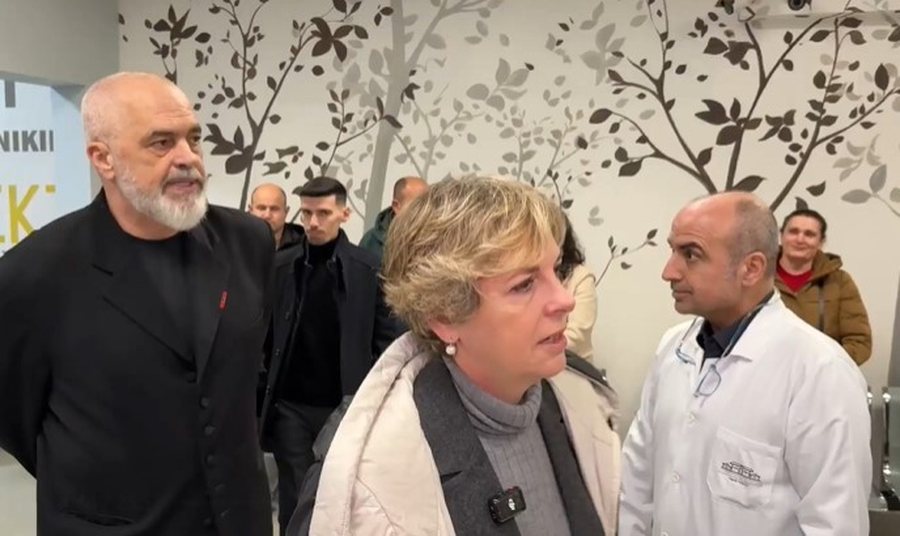
Facade visit to the QSUT, Rama avoids the Oncology scandals and talks about reputation!
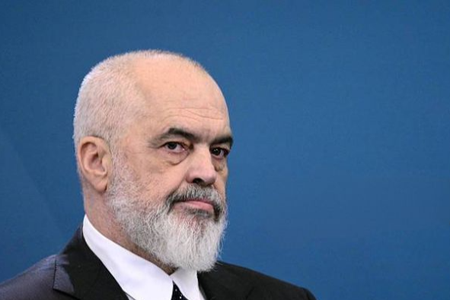
Edi Rama went down to the QSUT today and stopped at the Oncology Hospital, attempting to create the image of a health service that, according to him, is moving towards high standards. The reality that patients experience every day at the Oncology Hospital refutes this narrative. This hospital continues to remain a symbol of state failure in healthcare, with constant shortages of medicines, degrading conditions and treatment that violates human dignity.
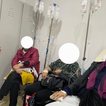
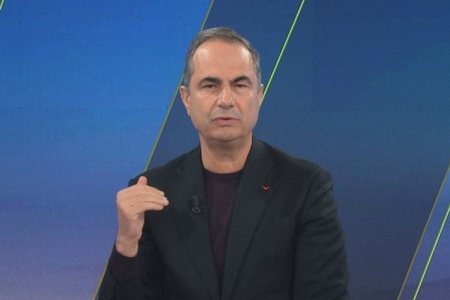
For years, journalist Osman Stafa has publicly denounced, with facts and evidence, the lack of vital drugs and the absurd situation where chemotherapy was performed on a chair, not in hospital conditions. These denunciations never received a serious institutional response. On the contrary, they were covered with silence and propaganda statements. Just a few days ago, the chemotherapy room was reconstructed, not from the state budget, but by a private businessman, a fact that reveals the complete abandonment of this service by the government.
Against this backdrop, Rama chose to speak about the sacrifice and dedication of doctors and nurses, avoiding political responsibility for the real conditions in Oncology. “Beyond the difficulties and problems, there is something that cannot be forgotten for a moment, the sacrifice and dedication of all doctors, national emergency workers and all the staff who support every hour and every day of the year, saving lives”, declared Rama. He also mentioned figures, “around 60 thousand successful operations per year and 35 thousand surgical interventions”, presenting them as proof of the success of the health system.
But these statements contradict what is happening specifically at the Oncology Department. The Prime Minister indirectly admitted that this hospital “became the reason at a certain moment for everyone to lower their heads in the face of facts that do not honor anyone,” but tried to relativize the situation by saying that he had met satisfied patients and that public opinion, according to him, “feeds on negativity from those who have not received service.” This approach shifts attention from the core of the problem, the state’s responsibility to guarantee medicines, equipment, and dignified conditions for cancer patients.
The oncology department does not need facade visits and motivational statements. It needs medicines, transparency and an end to the affairs that have turned it into the most problematic hospital in the country. When basic investments are made by businessmen and not the government, while patients are treated with chairs and there is a lack of medicines, every word about the "dominant positive part" sounds like an attempt to throw ashes in the eyes and wash away political responsibilities. / Pamphlet





Lini një Përgjigje