


 Shkruar nga Pamfleti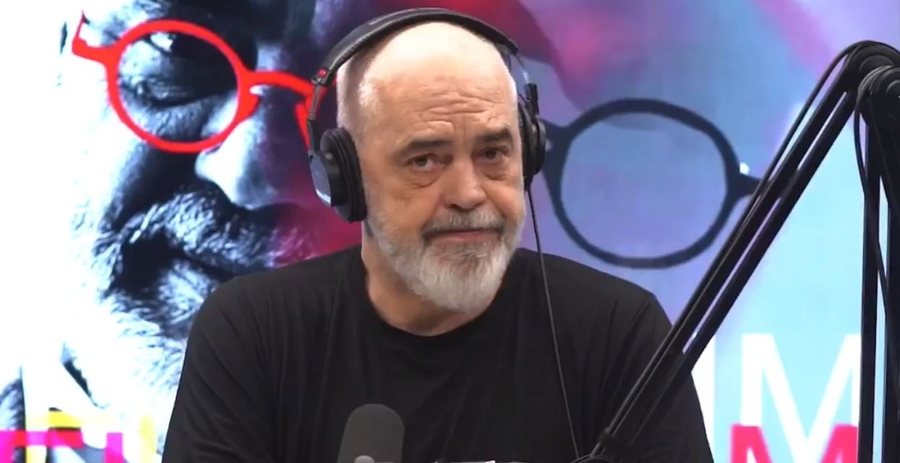
Prime Minister Edi Rama reacted to the debates and what he calls misinformation regarding the project to revitalize the historic area of Durrës.
He emphasized that the implementation of this project has a strategic character for the future of the old city and its development as a Mediterranean tourist destination.
Rama explained that Archaeological Zone A, where the project will be developed, is not an ordinary urban space, but part of national and world heritage.
He mentioned monuments such as the Roman Amphitheater, the Byzantine Forum and the Roman Baths, which he said represent European civilization and not just national heritage. The Prime Minister added that the inclusion of the area on the UNESCO World Heritage List transforms the project into an international obligation.
"The project to revitalize the historic heart of Durrës is being accompanied by endless misinterpretations and misinformation, while its realization is strategic in nature for the future of the old Mediterranean city and of European Albania as an important tourist destination in the Mediterranean."
Archaeological Zone A, where the project will take place, is not an ordinary urban space and any property debate over that area should not go beyond the framework of the fundamental fact: That area is the property of the treasury of our national heritage and part of the world heritage. The Roman Amphitheater, the Byzantine Forum, the Roman Baths are monuments of European civilization, not simply monuments of our national heritage register. The objective of entering this area into the UNESCO World Heritage List takes this project beyond the national dimension. It makes it an international obligation.
This project was not born today nor did it take shape in the dark, but was based on a long-standing program of this government for that area, as well as an Integrated Management Plan, drafted by the Ministry of Culture and put out for public consultation in 2022. The Law on Cultural Heritage obliges the state to intervene against degradation or informal construction in cultural heritage areas. This is exactly what we are doing," Rama said on the "Flasim" podcast.
We recall that residents affected by the "TID Durrës" project published a statement opposing the way the project is being implemented and the alternatives presented by the institutions. They state that during a meeting with institutional representatives, including the Prime Minister and the Mayor of Durrës, it was made clear to them that the project will continue without changes.
According to the residents, the institutions have presented three alternatives: accepting a higher expropriation price than the initial one, relocating to suburban areas determined by the authorities, or settling them in a single facility chosen by the Municipality.
Residents oppose this approach and claim that the project contains shortcomings and procedural violations. They point out that some properties are not included in the expropriation list or do not have an accurate valuation expertise. According to them, the implementation of the project under these conditions violates legality.
In their response, they explain that the proposals presented have not been agreed upon with the community, that the reference price constitutes a minimum price, and that any relocation should only be carried out with the consent of the residents. They add that so far the proposals remain at a declarative level.
The residents demand an extension of the legal deadlines for the execution of the project, an immediate suspension of the demolitions, and a full legal review of each individual case. Otherwise, they warn of an escalation of the protest and an intensification of the public and institutional reaction, announcing that they have also initiated communications at the international level in defense of their rights.





Lini një Përgjigje