


 Shkruar nga Pamfleti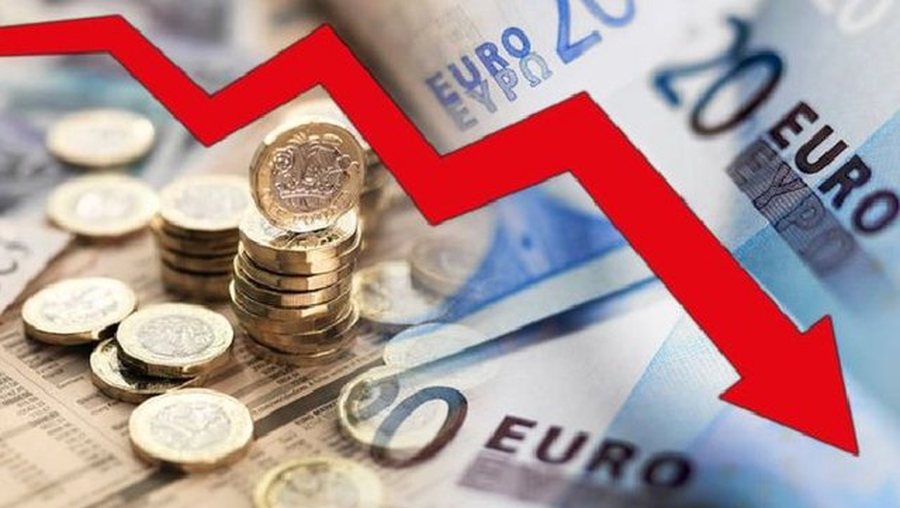
The rematch of the Euro and other currencies in the exchange rate with the Lek did not last more than a week.
According to the official exchange rate of the Bank of Albania, the European currency was exchanged today for 106.78 ALL. Euro has lost 1.41 lek since the beginning of this week and has touched the lowest level since June 13. The rapid decline of the Euro has devalued other major currencies as well.
The American dollar was exchanged at 97.75 ALL, marking a new record low for the last 12 years.
The British pound was exchanged at 124.21 lek, down by about 1.4 lek compared to the end of last week and staying close to the lowest historical values, which were recorded in the first ten days of June.
Even the Swiss franc lost ground and was exchanged at 108.95 lek, returning near the lowest levels of the last four years.
Sources from the market inform that the fall of the Euro was restrained by an intervention of the Bank of Albania. After June 9, when the Euro touched the historical minimum of 105.62 ALL, the Bank of Albania intervened with direct purchases of Euros in the foreign exchange market, in order to stop the rapid decline of the European currency. However, the effect of this intervention did not last more than a week and the Euro rate has returned to falling again. This may be an indication that perhaps the normal balances of the Euro/Lek exchange rate have already shifted downwards and the short-term interventions of the Bank of Albania do not have any great benefit.
This year, the Lek is showing a strong appreciation trend in the exchange rate with the Euro, a trend that is also reflected in the exchange rate with other currencies. On an annual basis, the European currency has lost about 12%. According to the agents, this decrease is explained by the high supply of Euros in the foreign exchange market. The sources of this high offer are difficult to identify completely, but at first sight the improvement of the Balance of Payments and the increase in tourism flows seem to support the appreciating tendency of the lek. The beginning of the tourist season has strengthened the appreciation tendencies of the local currency even more.
According to data from the Bank of Albania, the value of the current account deficit in the first quarter of the year decreased to 135 million euros, 72% less compared to the last quarter of last year and 46% less compared to the same period of a year ago. This was simultaneously the lowest value ever recorded for the first quarter of the year, at least for the period from 2008 onwards, covered by the statistics of the Bank of Albania.
In addition to the significant improvement of the current account balance, an increasing contribution for the first quarter came from the financial account and especially from foreign direct investments. The flow of 308 million euros of foreign direct investments was almost 2.3 times higher than the current account deficit for the first quarter.
On the other hand, it seems that the drop in the supply of Lek is having an effect in the same direction, due to the monetary policy with restrictive features that is being followed by the Bank of Albania, but also by the Albanian government. Even for the month of April, the monetary aggregate M2 recorded very low rates of annual growth, with only 2.5% more compared to the same period a year ago. On the other hand, the budget surplus in April reached the level of 34.6 billion lek, an increase of 82% compared to the same period of the previous year.
The significant fall of the Euro is favoring the subjects importing goods and services and it is believed that it will have an effect on reducing inflation, possibly in the last quarter of the year. Also, this decrease also favors borrowers in foreign currency, with income in local currency. But, on the other hand, the devaluation of the Euro is hitting the exporting sectors of the economy and families with income in foreign currency, mainly the beneficiaries of remittances./Monitor



Lini një Përgjigje